
Our Reflection on the 2026 NH Legislative Session

Photos from a May Day Rally in front of the NH State House, May 1, 2026.
The 2026 legislative session was busy – lawmakers introduced more than 1,100 bills and Gov. Ayotte signed nearly 300 into law. This year, from January 7 through June 4, legislators worked to develop solutions to some of the most urgent issues facing our state, but they also made ample time to introduce and debate bills that would harm our state’s communities, or in response to ginned-up controversies rather than the real challenges that matter to Granite Staters.
Of these bills, NHCJE closely tracked more than 70, with a focus on those that had the greatest potential to impact Granite Staters’ health, economic security, access to justice, and ability to meaningfully participate in the systems and decisions that affect their lives.
Our analysis focused on whether bills would advance real solutions that reflect New Hampshire’s realities and values, whether they contribute to productive and successful communities where everyone can belong, and whether they reflect the New Hampshire ideal of working through difficult policy conversations honestly and respectfully.
Taken as a whole, this legislative session was marked by several notable victories, as well as the continuation of several policy trends that are actively detrimental to New Hampshire communities, and especially communities of color.
Vaccines in Jeopardy
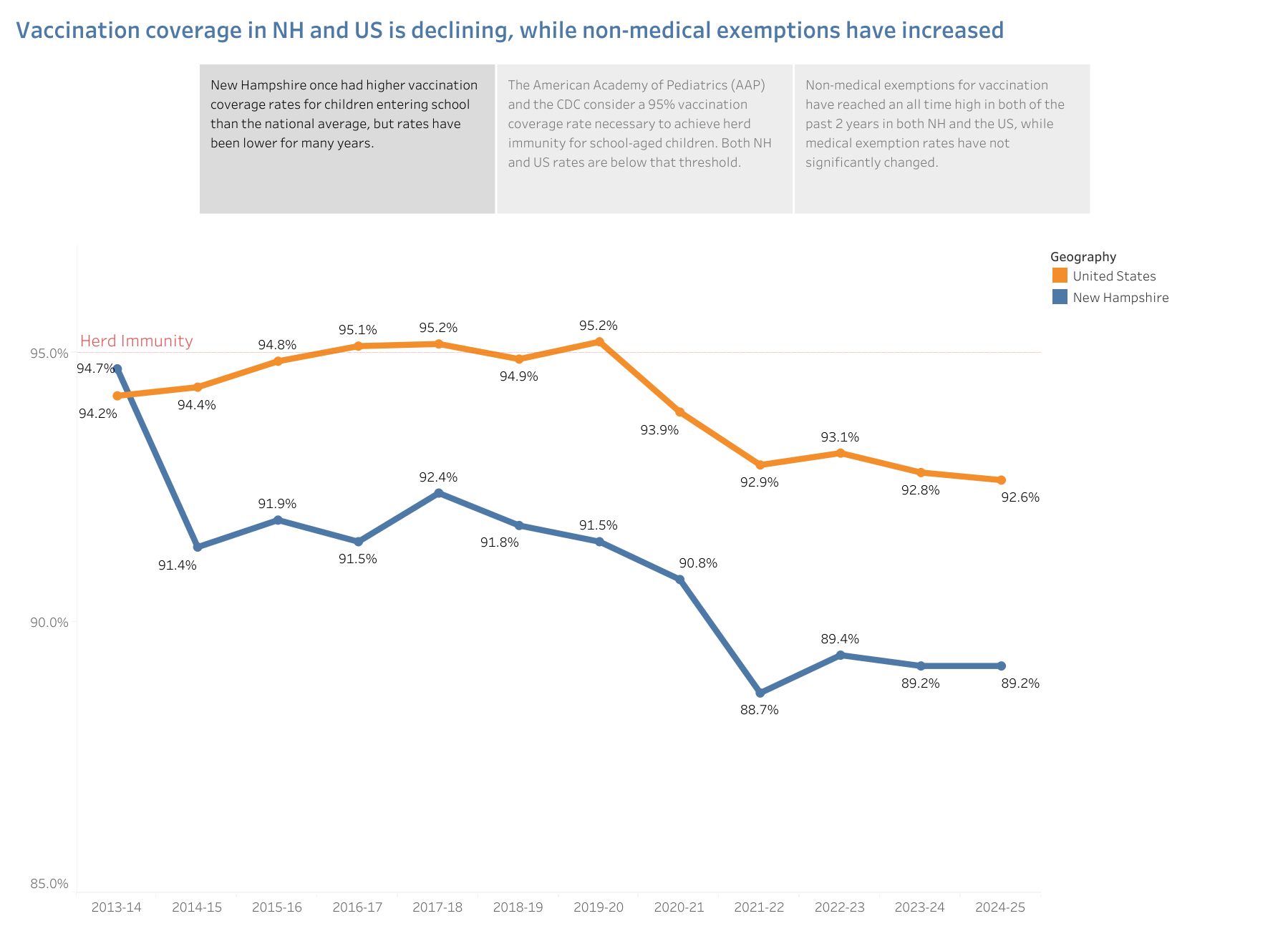
Mass immunization is one of the great human achievements, preventing hundreds of millions of deaths worldwide. And yet, New Hampshire, where vaccination rates are already lower than the national average, is at risk of regressing.
For nearly 25 years, the New Hampshire Vaccine Association (NHVA) has enabled the purchase of vaccines at the lowest possible cost, ensuring that all families can do what they need to keep their children and the broader community safe and healthy. Introduced in 2025, NH HB 524 was originally written to eliminate the NHVA.
The version passed in 2026 does not go quite as far, but complicates the NHVA’s financial operations by directing the Association to spend funds by the end of each fiscal year. This represents a step in the wrong direction, both from a technical perspective and because it means that the NHVA continues to be under scrutiny from those who seek to endanger public health through misinformation that stigmatizes vaccines.
Health Cost Transparency Should Lower Costs
When people can understand the costs of the essentials, they can make better decisions, and when providers are compelled to share the true costs with customers, they are more likely to offer fair prices. Indeed, the New Hampshire Health Cost Initiative has identified a lack of transparency in billing as one of the main drivers of the state’s cost crisis.
HB 705 will require health insurers to publicly disclose pricing data for key items, services, and prescription drugs, and to ensure that the data is free and regularly updated.
With polling in recent years showing deep concerns over health costs, this is a positive development.
Granite Advantage Work Requirements Create New Headaches
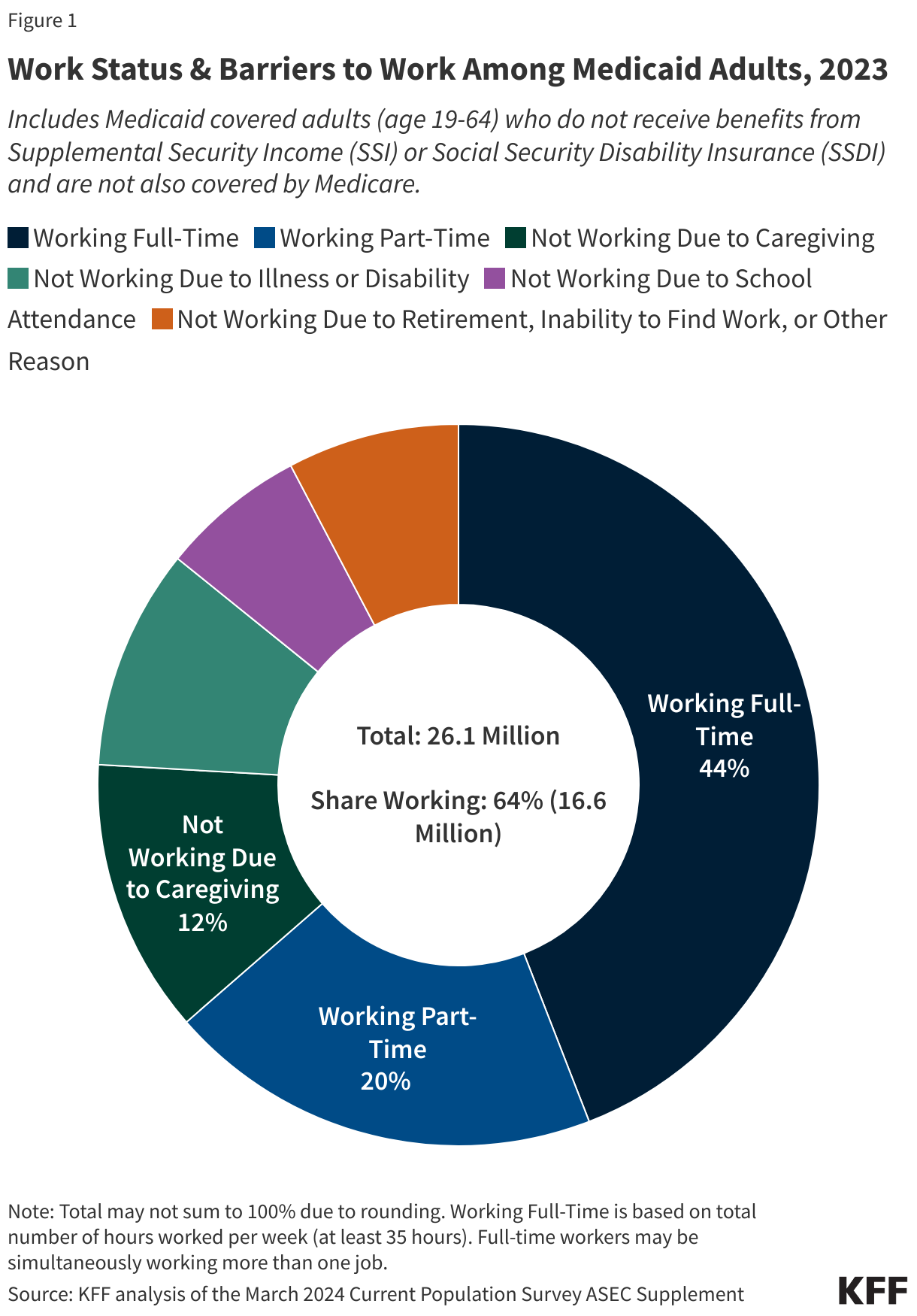
Recent federal legislation mandates that states’ Medicaid expansion programs require recipients to verify that they are looking for work or are otherwise active in their communities. These requirements cost taxpayers millions to implement, and create unnecessary headaches and paperwork as people try to access the care they need. HB 1794 will create these requirements in New Hampshire.
Though there isn't much that we can do at the state level about these work requirements if we want to preserve Medicaid expansion, it creates a new pressure for lawmakers to advance proactive solutions to make care accessible and affordable to every Granite Stater.
“Data shows that 92% of adults covered by Medicaid are working, or caring for a child or loved one, managing an illness or disability, or attending school. Adding new work requirements creates unnecessary obstacles to keeping coverage and puts thousands of Granite Staters at risk of losing their health insurance.”
Attacks on Equity, Diversity, Accessibility and Inclusion: Plenty of Bark, But Not Much Bite
Following a recent trend of Washington dysfunction being replicated in New Hampshire, lawmakers introduced 13 different bills targeting “DEI.” This proposed legislation comes in the context of an October 2025 injunction temporarily blocking the implementation of a similar 2025 law for being overly broad and unenforceable.
In practice, the legislation proposed during the 2026 session would have caused significant new logistical headaches for teachers and school administrators, librarians, other public employees, and non-profit leaders, restricted programs and opportunities that benefit a large number of Granite Staters, created high-visibility signals of intolerance that may have encouraged young people to leave the state, or a combination of the three.
Pushback was overwhelmingly successful. Following public outcry, 10 of the 13 bills, including the most potentially dangerous, died in committee or were referred to interim study. The three that will be implemented are expected to have marginal impacts, with the most prominent of the three – SB 464 – having been clarified and narrowed through a legislative compromise.
However, just because Granite Staters were able to successfully delay and defeat these ideas during the 2026 session, that doesn’t mean that no harm was done or that our communities are safe from these attacks. With the 2026 elections fast approaching, elected officials will almost surely try to use the same issues to pit us against each other.
Communities must continue to speak out, reminding legislators that these policies would harm all of us, and that even introducing them gives us a reputation as a regressive state where people are made to feel unwelcome.

A Failure to Protect the State from Unaccountable Federal Law Enforcement
The presence of Immigration and Customs Enforcement (ICE) in New Hampshire communities not only violates our local sovereignty, but it also puts Granite Staters directly in harm’s way. Since the beginning of 2025, more than 50 people have died in ICE detention across the country, and the agency is increasingly picking up people who have no criminal records. ICE is also notorious for entering people’s homes without a judicial warrant.
Local police forces collaborate with ICE using 287(g) agreements, which strain relationships between law enforcement and community members. Weare and Hillsboro are the latest towns in New Hampshire to establish such agreements. HB1364 would have required localities to report quarterly on the impact of those agreements, creating a minimum threshold of transparency, but it did not pass.
It Takes Everybody
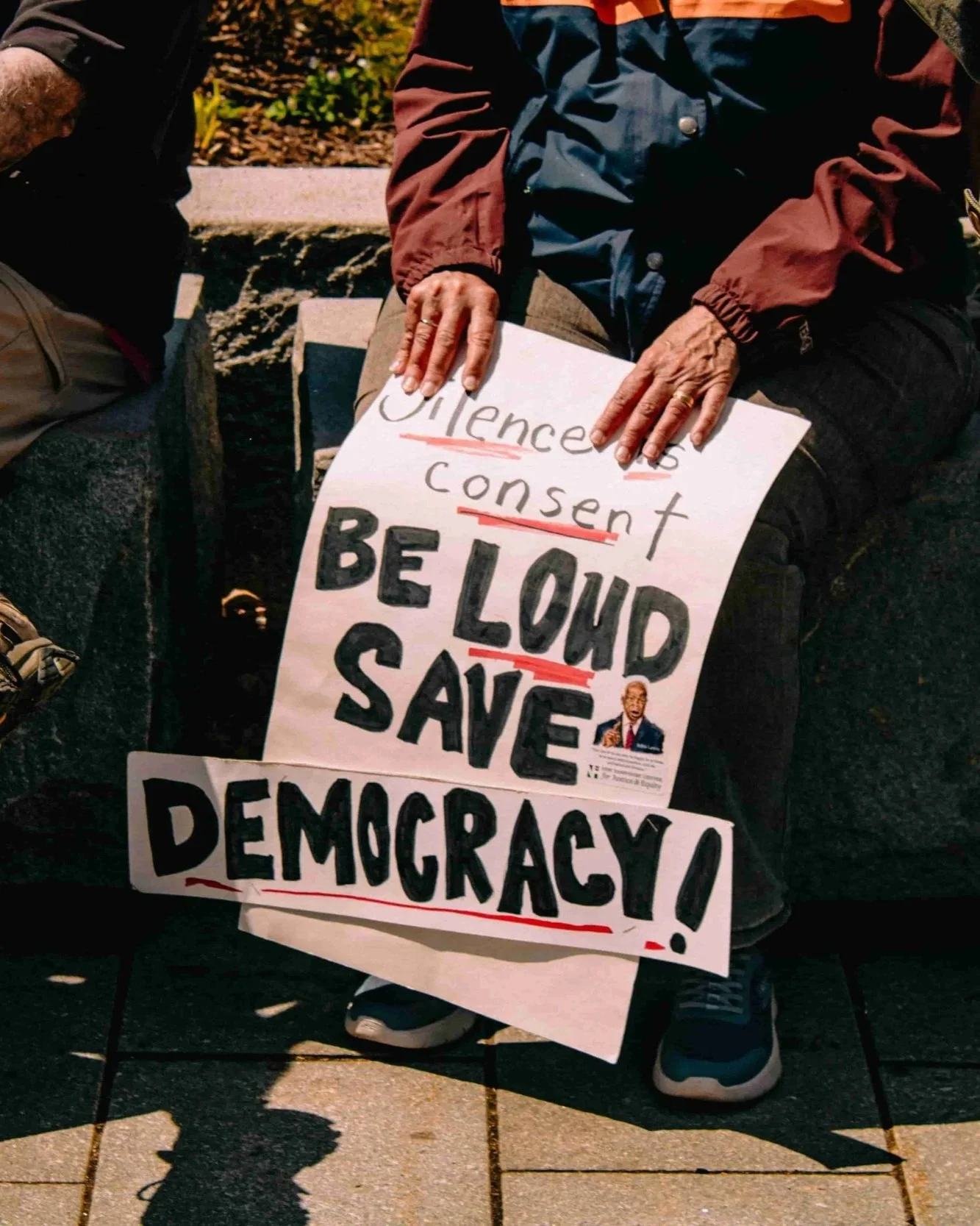
Our state has one of the most transparent and accessible legislative processes, but that only matters if we stand up and get involved.
Though the 2027 legislative session will convene in January, the opportunity to have your voice heard begins in just a few weeks. Proposals for new bills (known as LSRs) can be filed as early as September 1, 2026, and must be filed no later than September 25. That means that right now is the moment to reach out to legislators with your ideas and concerns, and to encourage them to focus on real issues rather than on divisive rhetoric.
Find their information here:
Our opportunity to have a 2027 legislative session that reflects our values and priorities starts now.