
Police Social Work: Building a Different Crisis Response in New Hampshire
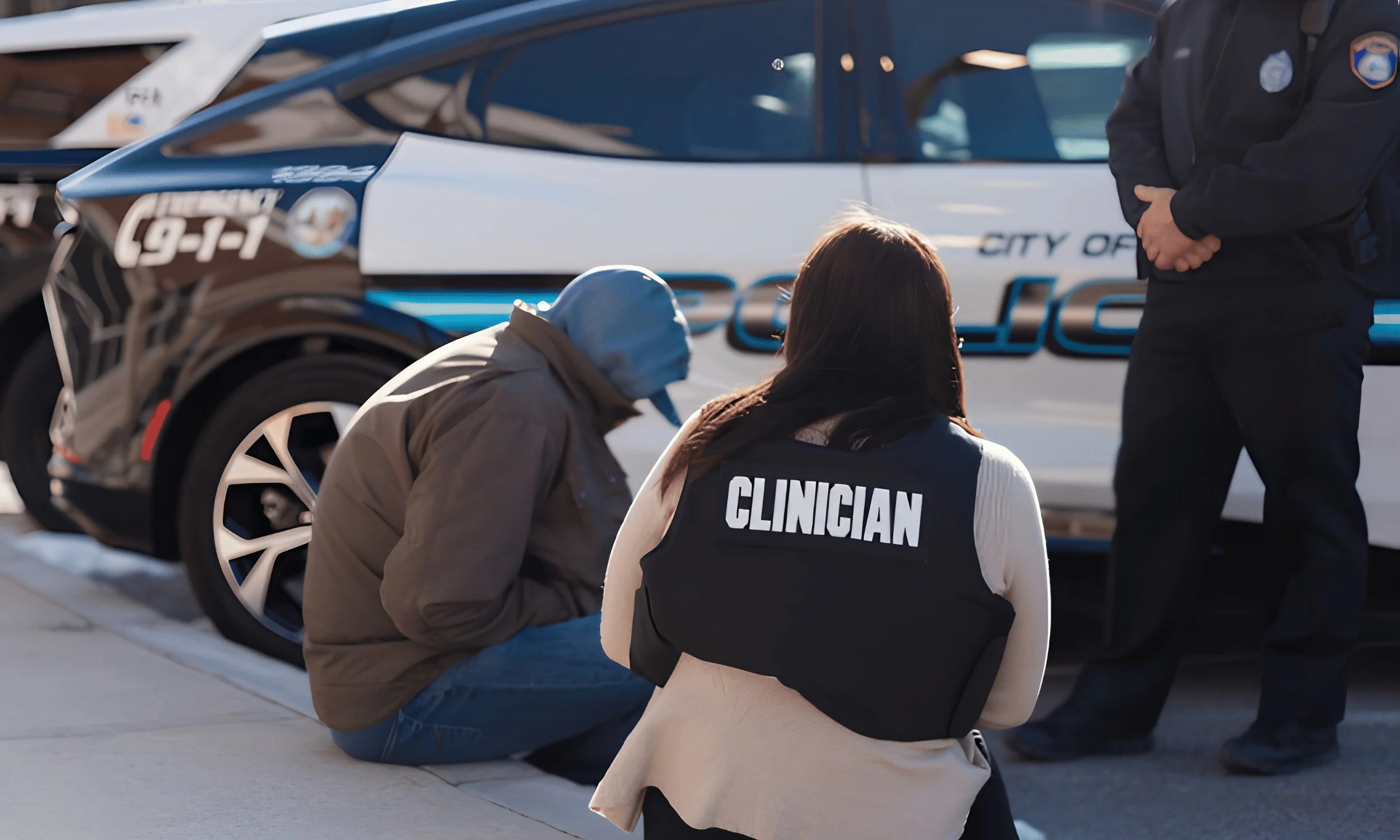
Image Source: ‘Jail Diversion Services’, Advocates.org
This article is part of a series examining NHCJE’s and the NH Collective Power Coalition’s six policy reforms for law enforcement in New Hampshire. The recommendations were developed following the killing of Nickenley Turenne in late 2025 and the New Hampshire Attorney General’s Office’s subsequent decision not to prosecute the officers involved.
These recommendations relate to building a public safety ecosystem that preserves life whenever possible. One of those recommendations calls for consistent statewide funding and implementation of crisis-response, co-response and behavioral health partnerships to reduce the likelihood that encounters of people experiencing a mental health crisis that involve law enforcement escalate to the point of serious injury or death.
New Hampshire already has a foundation for this infrastructure. The state’s Rapid Response Access Point system provides 24/7 crisis access and can dispatch mobile crisis response teams, connect people with mental health centers, and facilitate access to community mental health services. Yet having a crisis response system in place does not necessarily mean that a mental health professional will be available when and where a crisis occurs. Response times, geographic coverage, operating hours, staffing, and the availability of in-person services can all affect access.
Police social work is one way communities are beginning to fill that gap. By embedding social workers directly within law enforcement agencies, police departments gain access to professionals whose primary expertise is mental health and social services. NHCJE spoke with Nicole Petrin, lead Police Social Worker at Concord Police Department, and Dr. Leah Elliott, Clinical Community Social Worker at Nashua Police Department, to learn more about this field.
What Police Social Work Looks Like
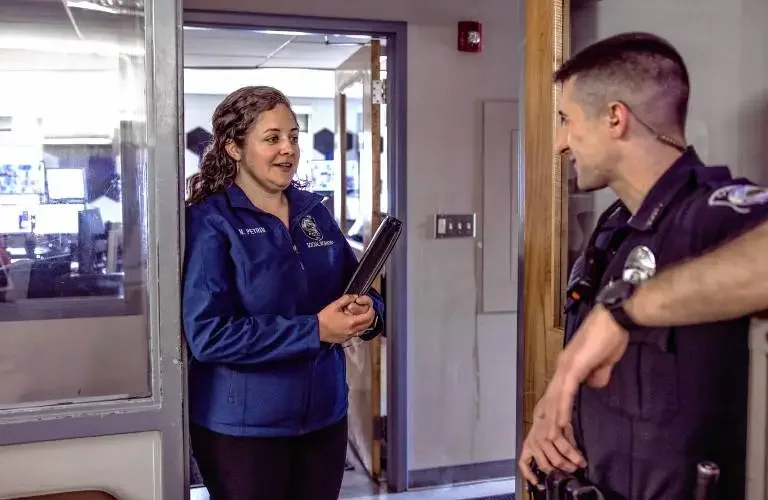
Nicole Petrin. Source: ‘Skepticism turns to enthusiasm: Concord Police welcome new social worker’, Concord Monitor
“When someone calls 911 because a loved one is experiencing a mental health crisis, has nowhere to sleep, is struggling with substance use, or is living alone with dementia, the response is often going to begin with law enforcement, but a police officer may not be the person best positioned to address what happens next,” explained Ms. Petrin. She joined the department in February of 2024 as the sole police social worker and has since built up the program and expanded the team with two additional social workers.
Concord’s model of police social work is to provide follow-up services after police have responded to an incident, connecting individuals and families with longer-term support such as case management, behavioral health treatment, housing assistance or other community resources. The goal is to address the underlying need rather than repeatedly responding to its symptoms.
“When someone calls 911 because a loved one is experiencing a mental health crisis, has nowhere to sleep, is struggling with substance use, or is living alone with dementia, the response is often going to begin with law enforcement, but a police officer may not be the person best positioned to address what happens next.”
At Nashua’s Police Department, Clinical Community Social Worker Dr. Leah Elliot works within a co-response model. Dr. Elliott originally worked for the city’s public health department, where she helped pilot the police social work program, and became part of the police department in July of 2024.
The role of professionals like Ms. Petrin and Dr. Elliott is not necessarily to replace an officer’s response to an emergency. While police officers receive mental health training, their responsibilities extend far beyond mental health, and police social workers can offer complementary expertise.
“I think of it as a matter of focus,” said Dr. Elliot. “My one focus is to de-escalate that person, whereas the police have a lot of focuses.” Officers have to assess threats, protect themselves and others, secure a scene, enforce the law and make decisions under rapidly changing circumstances. A social worker can concentrate on the person in front of them, listen, build rapport, identify needs and connect that person with the appropriate care.
For example, a fatal car crash may require multiple officers to manage traffic, document the scene, take statements and perform other duties. If a social worker can take responsibility for supporting a surviving family member, officers can return more quickly to the tasks that require their authority and training.
“I think of it as a matter of focus. My one focus is to de-escalate that person, whereas the police have a lot of focuses”
De-escalation and Building Trust
Police social work can also change how a person experiences a crisis response. For people who may already distrust or fear law enforcement, having a behavioral health professional involved can create a different starting point for the interaction.
Research cited in Dr. Elliott's study of police social work found that people with neurological conditions such as autism spectrum disorder (ASD) are seven times more likely to encounter law enforcement than people without disabilities (Railey et al., 2020).
Her research also shows that people with disabilities, LGBTQIA+ people, and people of color experience disproportionate rates of fatal police encounters, making trust an important consideration in crisis response (Ban & Riordan, 2023). In these situations, a police social worker can serve as a bridge between community members and law enforcement.
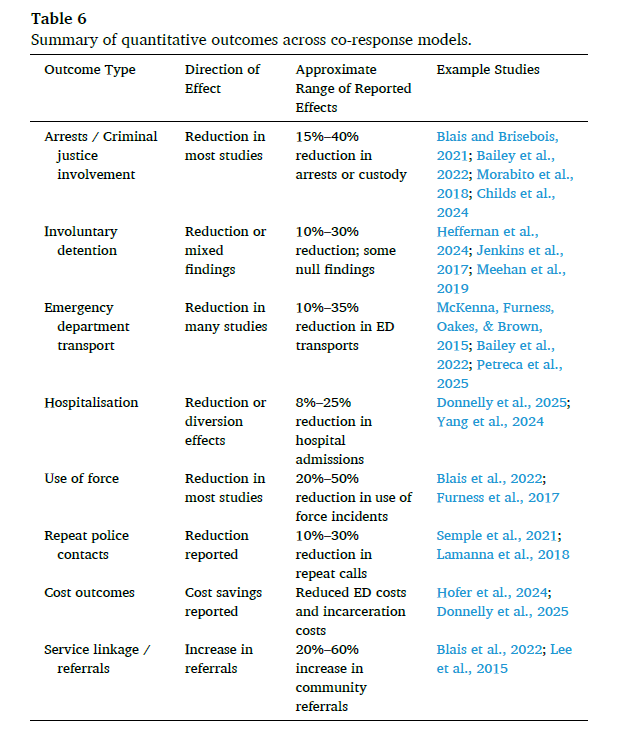
Table 6. Summary of quantitative outcomes across co-response models.
“Ultimately, our goal is for people not to be arrested because they're having a mental health crisis,” Dr. Elliott said. “We want them to get resources.”
Additionally, research on co-response models also points to potential benefits. A 2026 scoping review found that co-response teams improved coordination between police and health and social care providers and were associated with reductions in jail bookings and emergency-department transport in the studies reviewed. The authors also identified potential barriers to consider when implementing these models, including staffing, role conflicts and data sharing within social service agencies.
“Ultimately, our goal is for people not to be arrested because they’re having a mental health crisis. We want them to get resources.”
Building a Statewide Crisis Response System
Despite promising research and positive experiences from communities using police social work, access remains uneven across New Hampshire. Ms. Petrin noted there are currently 10 police social workers across six communities: Concord, Nashua, Dover, Portsmouth, Keene, and Tamworth. For residents elsewhere, access depends on what resources their local department and mental health system can provide.
That does not mean every community needs a full-time police social worker. A small rural department may be better served by a regional social worker, a shared clinician, stronger partnerships with a community mental health center, expanded Mobile Crisis Response capacity, or another locally appropriate model. The point, then, is that every community should have meaningful access to behavioral health expertise when a crisis occurs.
Police social workers are also uniquely positioned to identify where the existing system falls short for those it is meant to serve, and offer a valuable perspective to inform statewide policy. “I think it would be important to have us at tables where decisions are getting made,” Dr. Elliott said. “Because we see the intersection of a lot of services, and we see the people in the crisis.”
Together, police, social work, Mobile Crisis Response Teams, Crisis Intervention Training and co-response models can create a crisis-response system with more options for both the person in crisis and the people responding. More time to de-escalate, more specialized expertise, more pathways to treatment and support, and more opportunities to resolve a crisis before it becomes an emergency.
If New Hampshire wants everyone – community members and law enforcement officers – to have the greatest possible chance of going home safely, it needs to invest in a crisis-response system that gives them those options.
“I think it would be important to have us at tables where decisions are getting made. Because we see the intersection of a lot of services, and we see the people in the crisis.”
This article is part of a series examining NHCJE’s and the NH Collective Power Coalition’s six policy reforms for law enforcement in New Hampshire. Read more:
About Dr. Leah Elliot
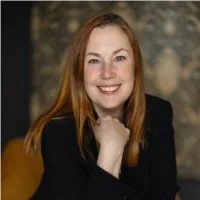
Dr. Leah Elliott, DSW, LICSW is the Clinical Community Social Worker for the Nashua Police Department. In her role, she supports law enforcement officials in responding to mental health calls. Leah also serves as the Clinical Director for Camp Mariposa, a camp for youth ages nine to eighteen who have been impacted by familial substance misuse, which is supported by Revive Recovery in Nashua, as well as providing individual therapy at a group practice.
Originally from the Boston area, Leah has been part of the Nashua community since 2003, both raising her family and working within the local social work system. She previously worked for the Division for Children, Youth and Families as a Child Protection Services Worker, the Youth Council as a Student Assistance Program Counselor at the Nashua high schools, and as the Director for Social and Emotional Wellness at the Boys and Girls Club of Greater Nashua.
Leah obtained her Bachelor of Science degree in Criminology and Law from Suffolk University and her Masters of Social Work degree from the University of New Hampshire. Leah earned her Doctorate of Social Work at Simmons University, where she created a training program for law enforcement officials to help them positively support individuals experiencing psychosis in crisis. Leah is passionate about social justice and assuring people have access to services to meet their needs.
About Nicole Petrin
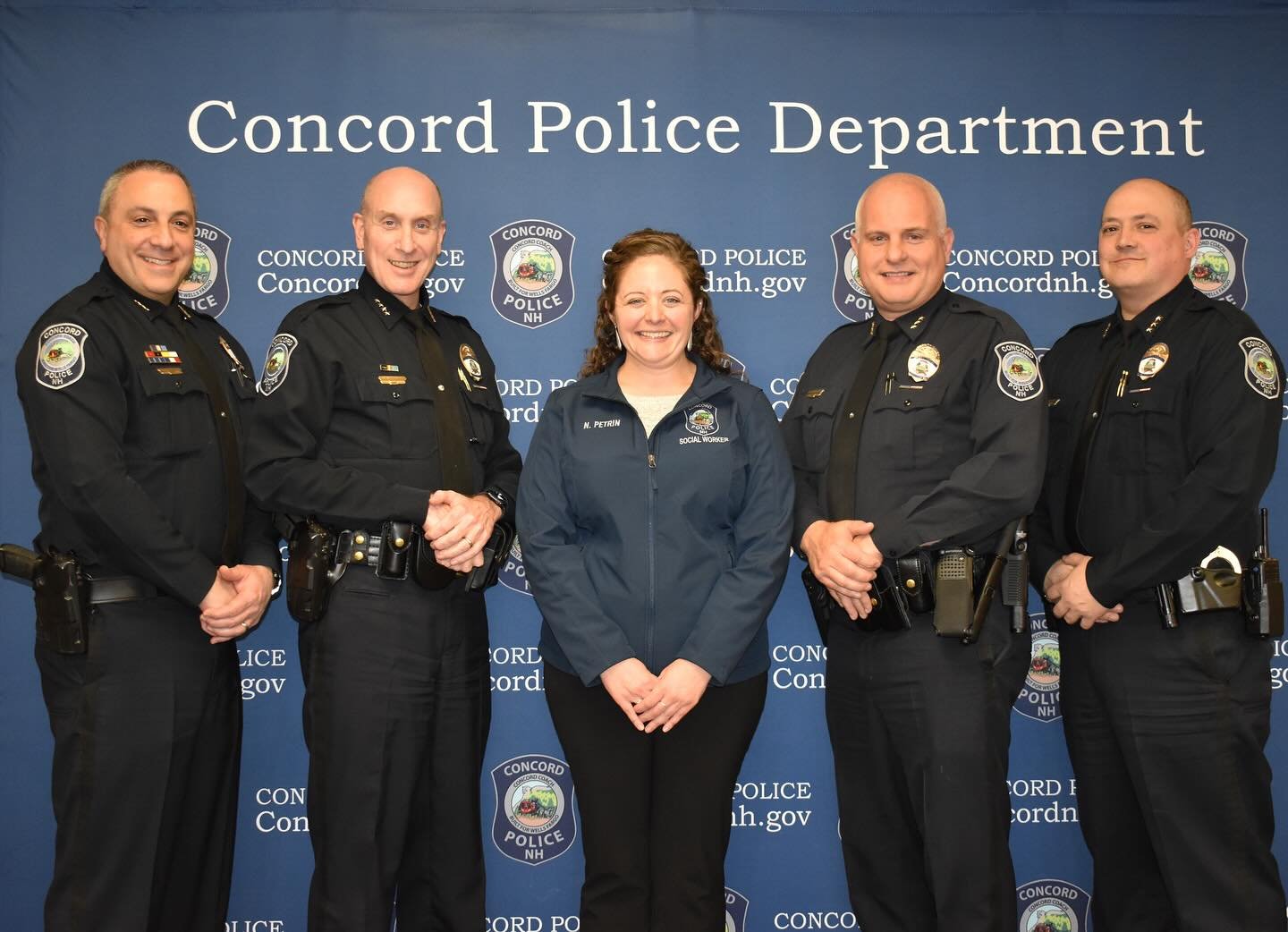
Nicole (middle) alongside members of Concord Police Department. Source: Concord PD Instagram
Nicole Petrin, MSW, has spent her entire career as a social worker serving the community of Concord and greater Merrimack County. She earned her Bachelors of Social Work from Plymouth State University in 2012 and later, her Masters of Social Work from the University of New England in 2019. Nicole’s work experience has been heavily focused on childhood trauma.
Nicole worked as a family support worker at Merrimack County Advocacy Center (CAC) and she is most known for her decade plus long dedication at the Division of Children Youth and Families (DCYF). She was an assessment worker for many years and later promoted to assistant supervisor of assessments. Nicole is currently employed as a Police Social Worker at Concord Police Department. She was hired in February 2024 as Concord’s first Police Social Worker and she has been working to build the program for the Capitol City. Within the first year and a half of Nicole’s employment with Concord Police, she has grown the Social Work Unit to now include two additional full-time staff, and she was promoted to the Social Work supervisor. Nicole remains very involved with her alma mater, Plymouth State, where she serves as a member to the Social Work Department's advisory board. Nicole also serves as a Social Work field supervisor to both Plymouth State and as well as University of New Hampshire students who are completing social work filed placements. Nicole is very passionate about supporting aspiring social workers.