Who We Are
The New Hampshire Collective Power Coalition brings together organizations and individuals rooted in BIPOC, LGBTQIA+, and Disability communities and justice movements. Our coalition exists to deepen solidarity, strengthen community care, and act collectively at the intersections of oppression and possibility.
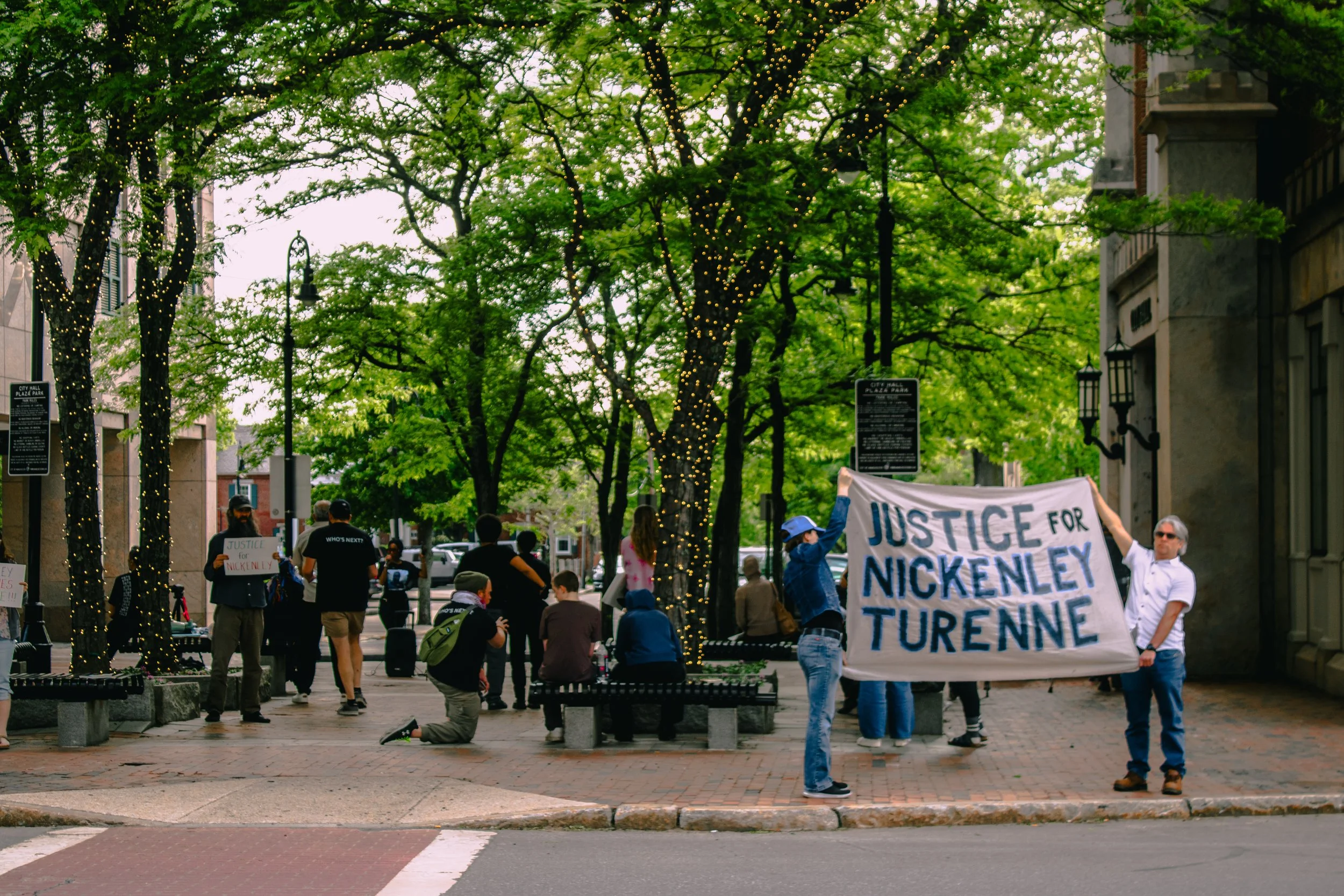
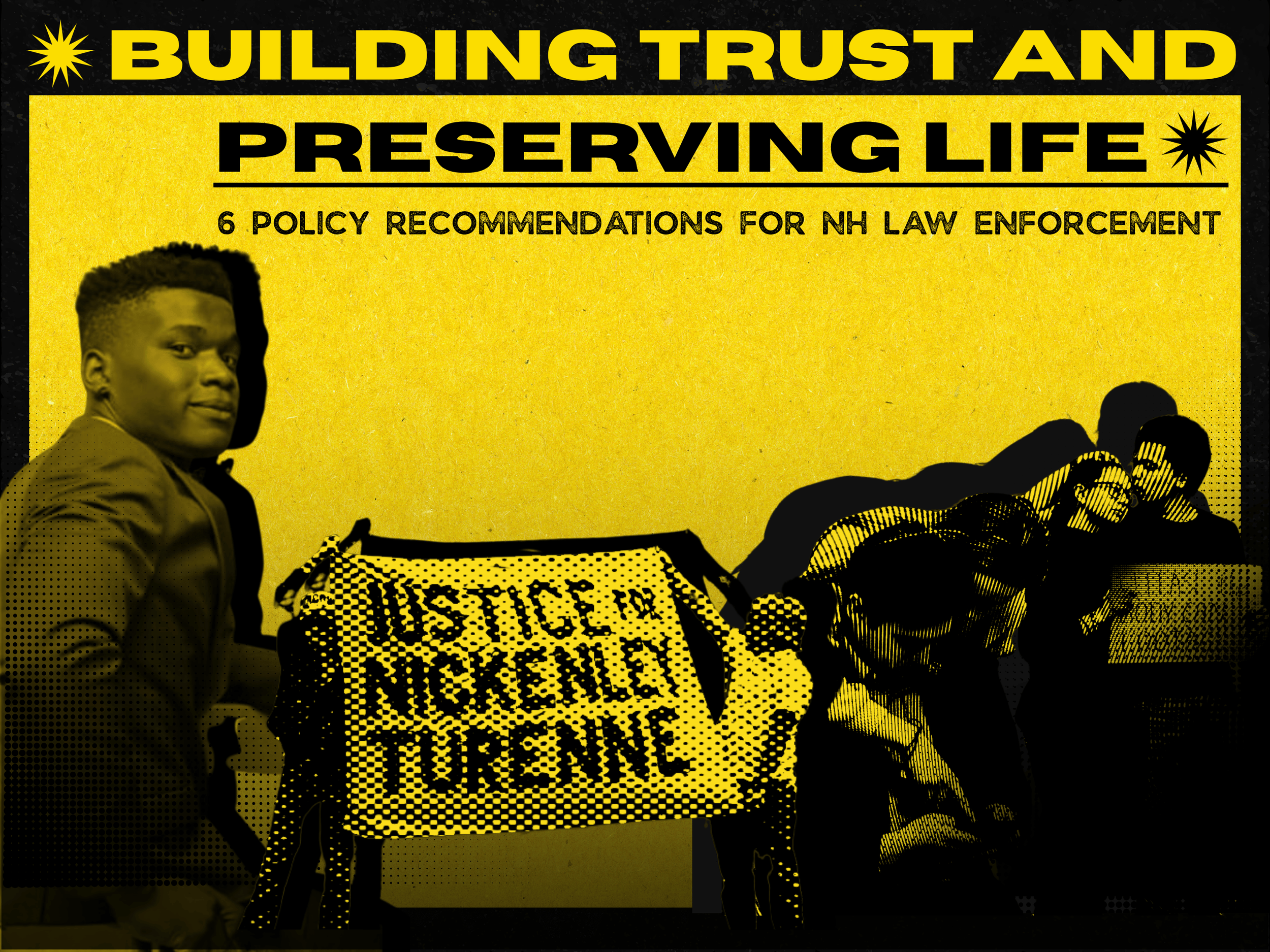
The coalition began in Spring 2025 after several local groups rallied to support Mamadou Dembele after he experienced a racist attack in Portsmouth, NH in 2023. The coalition has recently worked to advocate for Nickenley Turenne and his family after he was killed by Manchester Police in December 2025.
Coalition Priorities & Working Groups
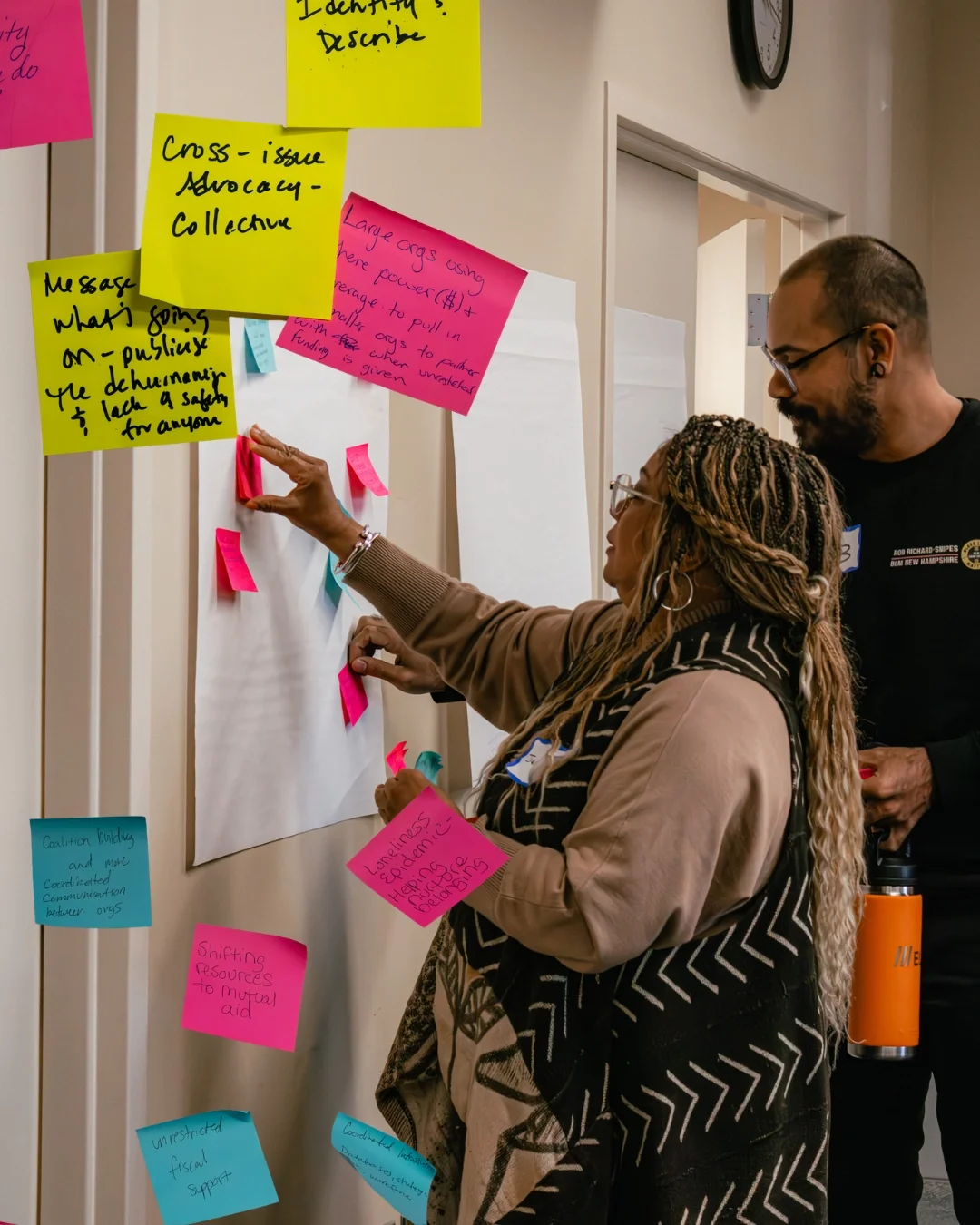
During our initial first convenings, the coalition identified a number of key issues affecting our communities and refined them into these 3 priorities:
Priority 01
-
Invest – use our economic power
Tackle root causes of discrimination
Actively engage & encourage others to participate civically/politically
Education & leadership development
Information & resource sharing
Priority 02
-
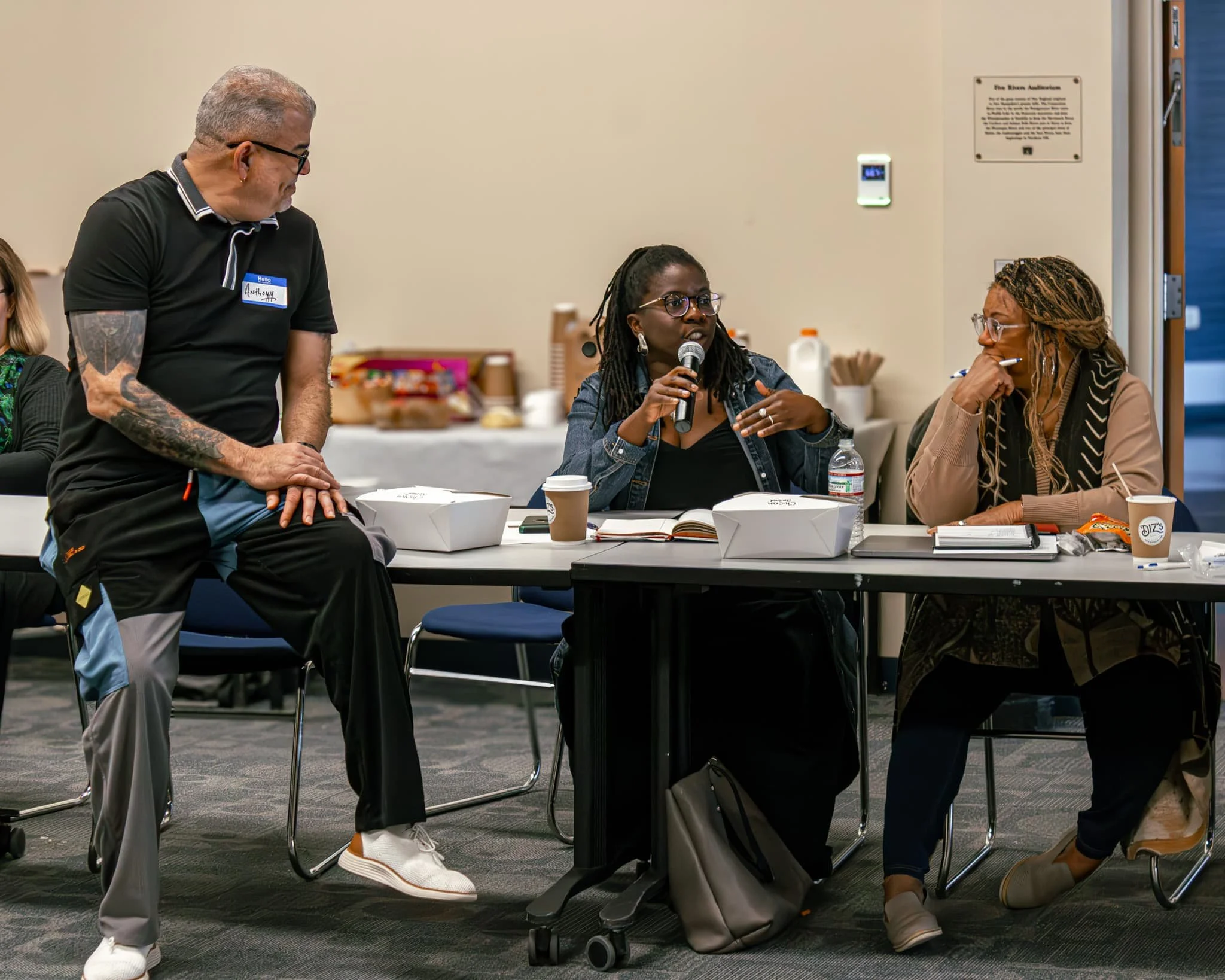
Collaboration is necessary for resistance, survival, & wellbeing
Frequent, consistent meetings & focused subgroups
Communication, trust-building, transparency in our communities
Collaborate together & share access to grow our strength & expand our reach
Develop strategic communication systems
Identify the needs of people in urban and rural New Hampshire
Priority 03
-
Share information & ideas on self-care
Increase direct communication with members
Talk to each other about mental health
Circulate + share events
Encourage family + friendship + connection
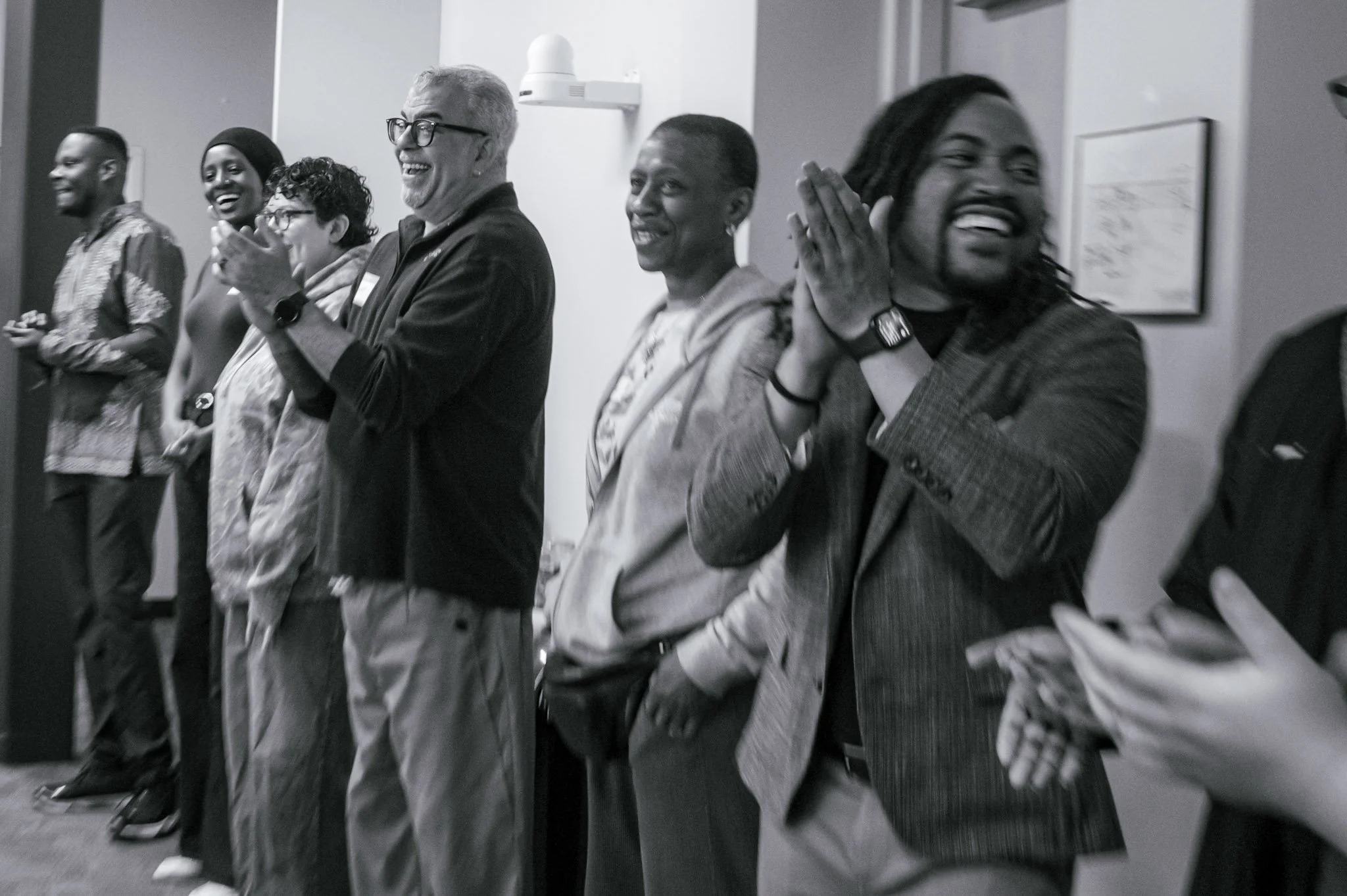
Utilize music, singing, dancing, and the arts as powerful community/humanity builders
Host millennials/youth of color convenings
Create more opportunities for connection and shared spaces
Statements
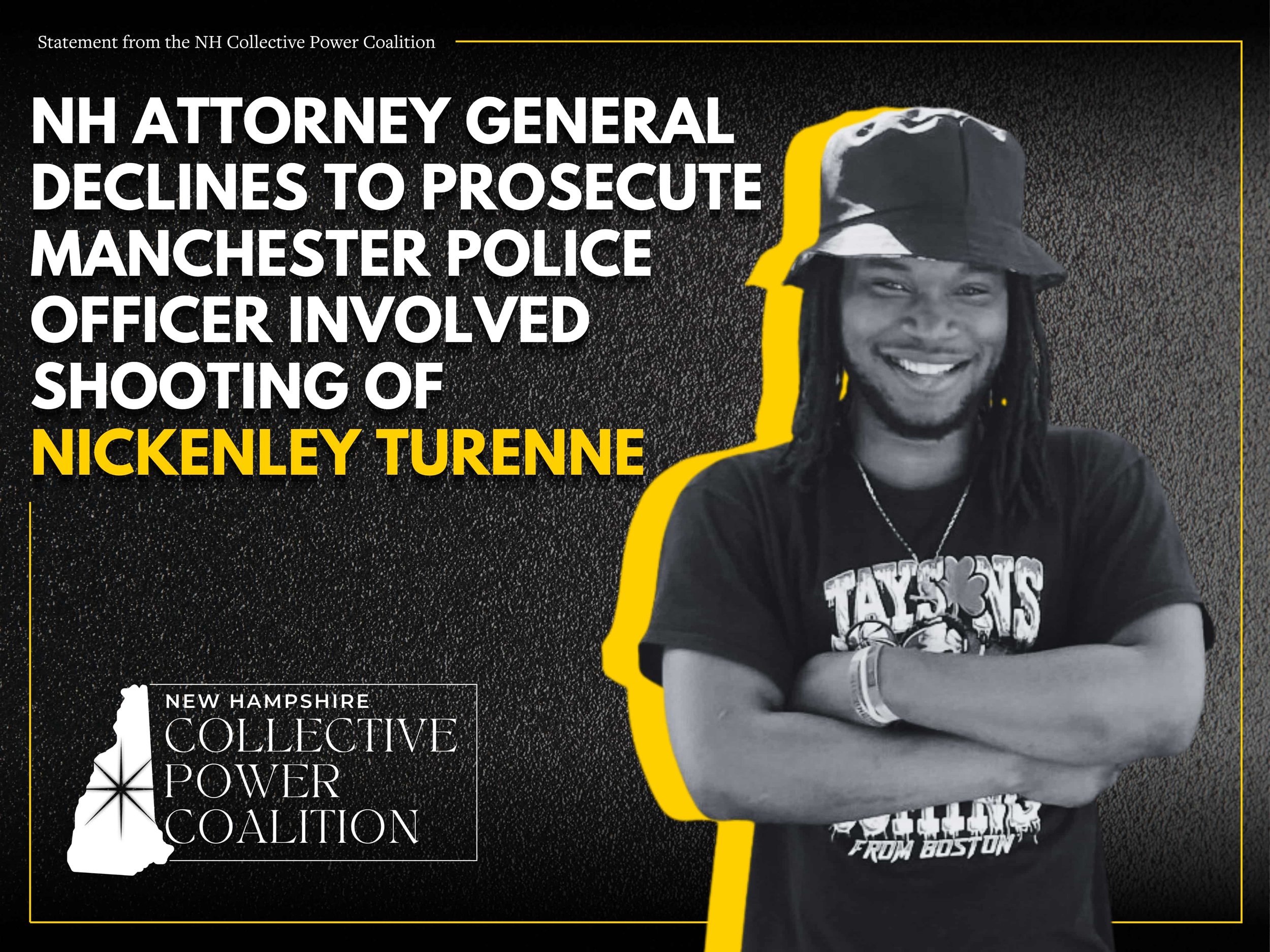
New Hampshire Attorney General Declines to Prosecute Manchester Police Officer Involved Shooting of Nickenley Turenne
July 2026
Public Statement Calling for Timely Release of Investigative Findings from NH Attorney General's Office
June 2026
Public Statement from the NH Collective Power Coalition on the Killing of Nickenley Turenne
February 2026
Joint Statement from BLM-NH & NHCJE Regarding the Killing of Nickenley Turenne
December 2025
Policy Recommendations
-
-
Adoption of a universal statewide use of force policy that prioritizes de-escalation, proportionality, and preservation of life. In several states, the Attorney General has established a singular, uniform use-of-force policy that legally applies to every law enforcement agency within their respective state. Examples include New Jersey, Washington State, and Vermont.
-
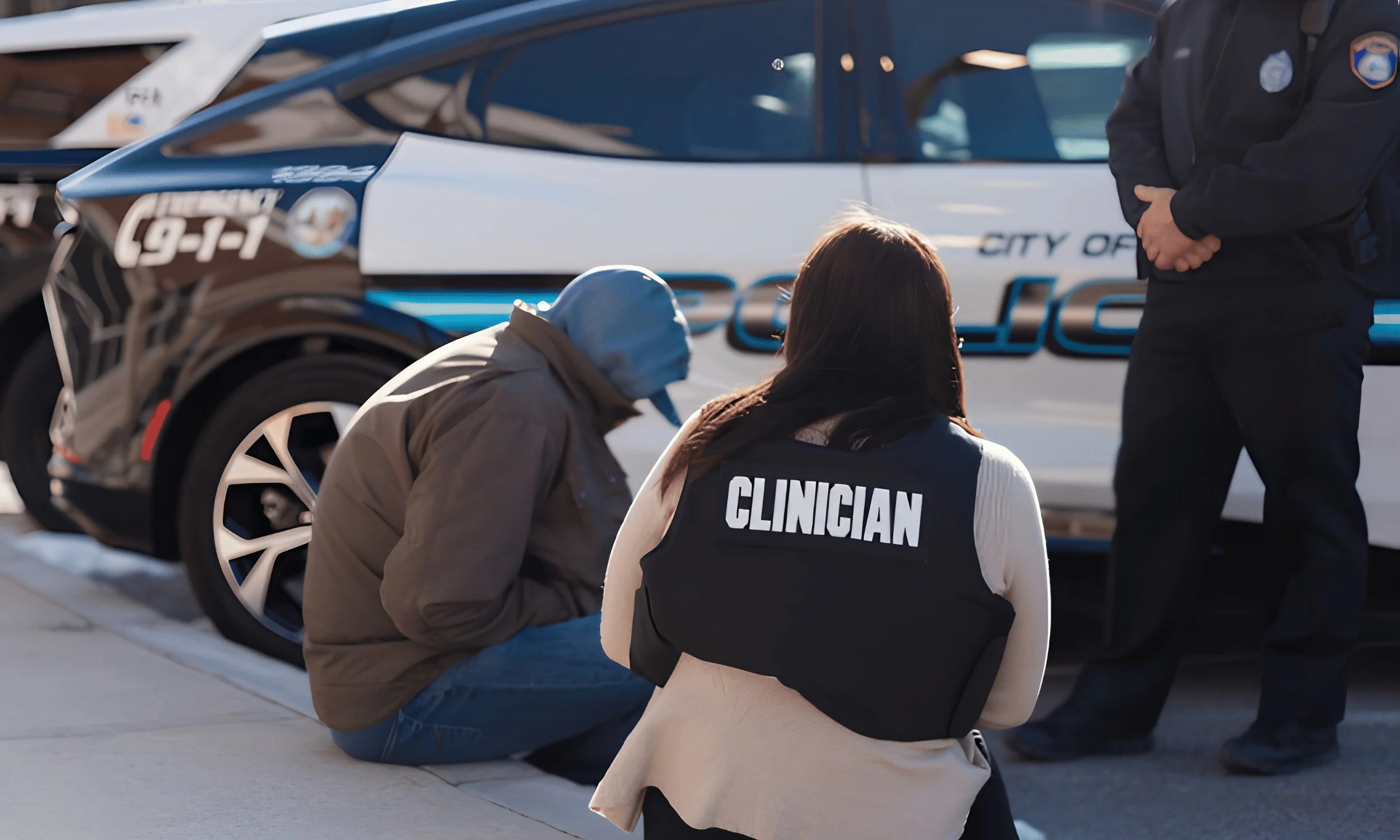
Consistent statewide implementation and funding of crisis response, co-response models, and behavioral health partnerships to ensure mental health professionals play a central role in crisis response whenever possible. Generally speaking, New Hampshire has a strong foundation in Mobile Crisis Response Teams (MCRT), but the system faces adequacy issues, particularly regarding wait times for in-person mobile units or limited hours. NH’s crisis response network functions primarily through two avenues: Mobile Crisis Response Teams, including limited community-based Co-Responder Programs (i.e., Colorado), where law enforcement and mental health clinicians respond together, and Police Training Programs. Organizations like NAMI NH (National Alliance on Mental Illness) provide 40-hour Crisis Intervention Team (CIT) training courses across the state for police, fire, and EMS. These programs teach officers how to safely recognize a mental health crisis, de-escalate it, and connect individuals with proper treatment, emphasizing the need for supporting first responder behavioral health and wellness.
-
Guaranteed victim and family advocates for every family impacted by a police-involved shooting to ensure transparency, communication, and meaningful support throughout the investigative process. Some states provide victim advocates to support individuals and families affected by police-involved shootings; however, New Hampshire is not one of them. This type of victim and family support is typically provided by the state’s attorney general’s office, local prosecutor's office, or local law enforcement agencies.
-
Modification of the Manchester Police Department's Five-Day Return to Duty Policy following officer-involved shootings. The Manchester Police Department’s Five-Day Return to Duty Policy is inadequate by modern standards. The International Association of Chief of Policy guidelines and contemporary best practice lean heavily towards longer pauses paired with mandatory psychological evaluations and phased transition back to duty.
The Coalition recommends the Manchester Police Department model their Return to Duty Policy from the NH State Police’s Policy. State police policy requires officers involved in police involved shootings to take 30 days of leave after such an incident and not return to “active duty” until the investigation into the shooting has been completed.
-
Continued review and strengthening of police training related to implicit bias, de-escalation, communication, mental health response, and decision-making under stress. In July 2025, New Hampshire’s Legislature passed HB2, which included a ban on the use of state funds for DEI-related activities, including New Hampshire Police Standards and Training’s required implicit bias trainings. Although a federal judge in late 2025 issued a preliminary injunction on HB2’s DEI Ban and NH’s Police Standards and Training is not prohibited from providing implicit bias training(s), Director Scippa reports that such training is no longer required and alternative offerings are provided.
Read our blog series on our Policy Recommendations:

Upcoming Events
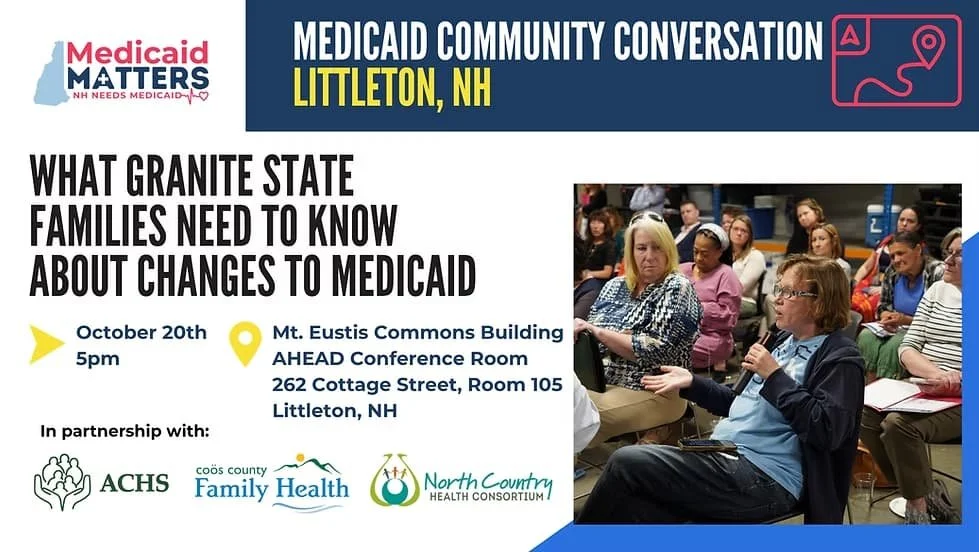
Upcoming community events hosted by Coalition member organizations and our partners.



Members
-
American Friends Service Committee
-
Black Lives Matter NH
-

Business Alliance for People of Color
-

New Hampshire Center for Justice & Equity
-
Racial Unity Team
-

Black Women's Health Project
-

New Hampshire Outright
-
Kelly Touhey-Childress
Executive Director, Racial Unity Team
-
Mark Whitney
Board Chair, Racial Unity Team
-
Lionel Loveless
Vice Chair, BAPOC
-
Trini B
Individual Member
-
Aimee Terravechia
Director of Advocacy & Education, NH Outright
-
Ophelia Burnett
Healing Justice Program Associate, American Friends Service Committee
-
Deborah Opramolla
Individual Member
Get in Touch
Interested in becoming a Coalition member or learning more about our work?
Fill out the following form or contact us at collectivepower@nhcje.org.