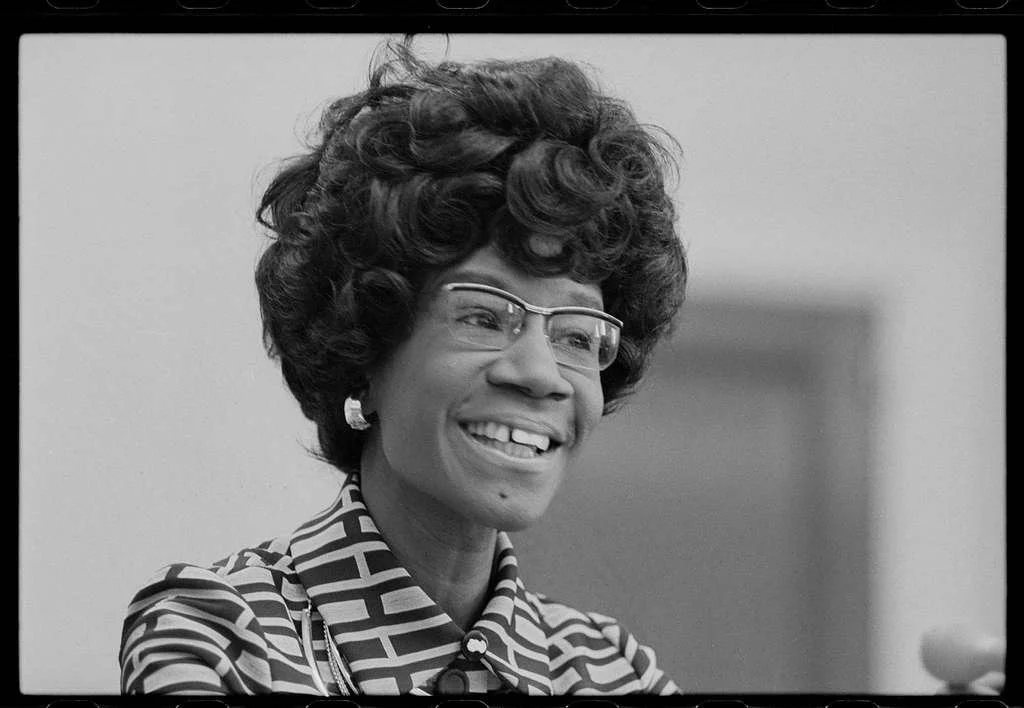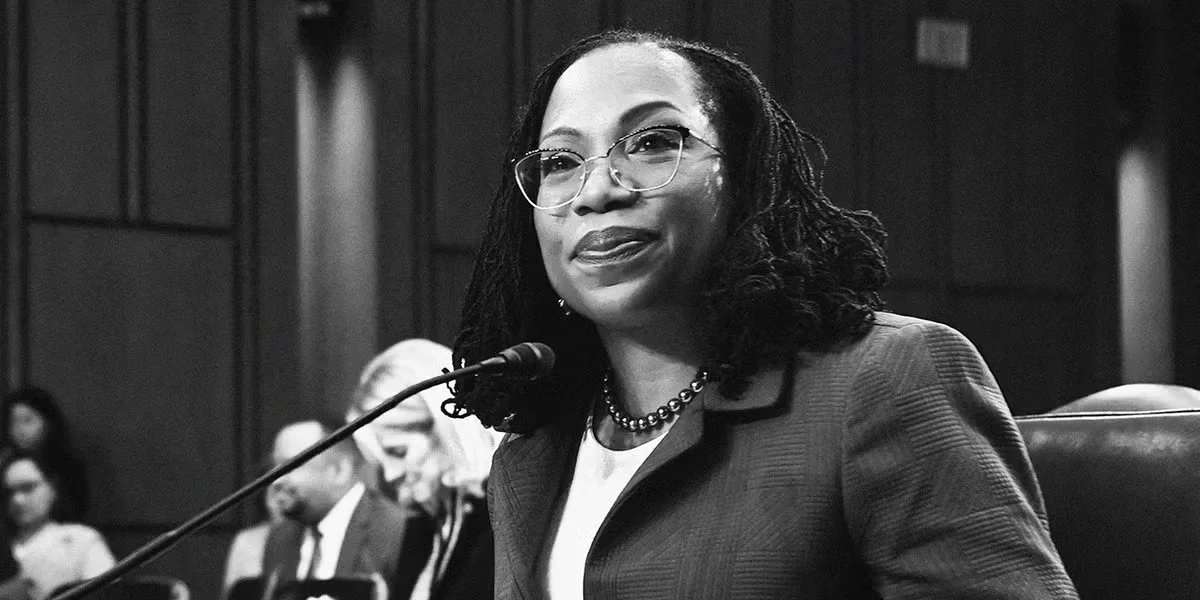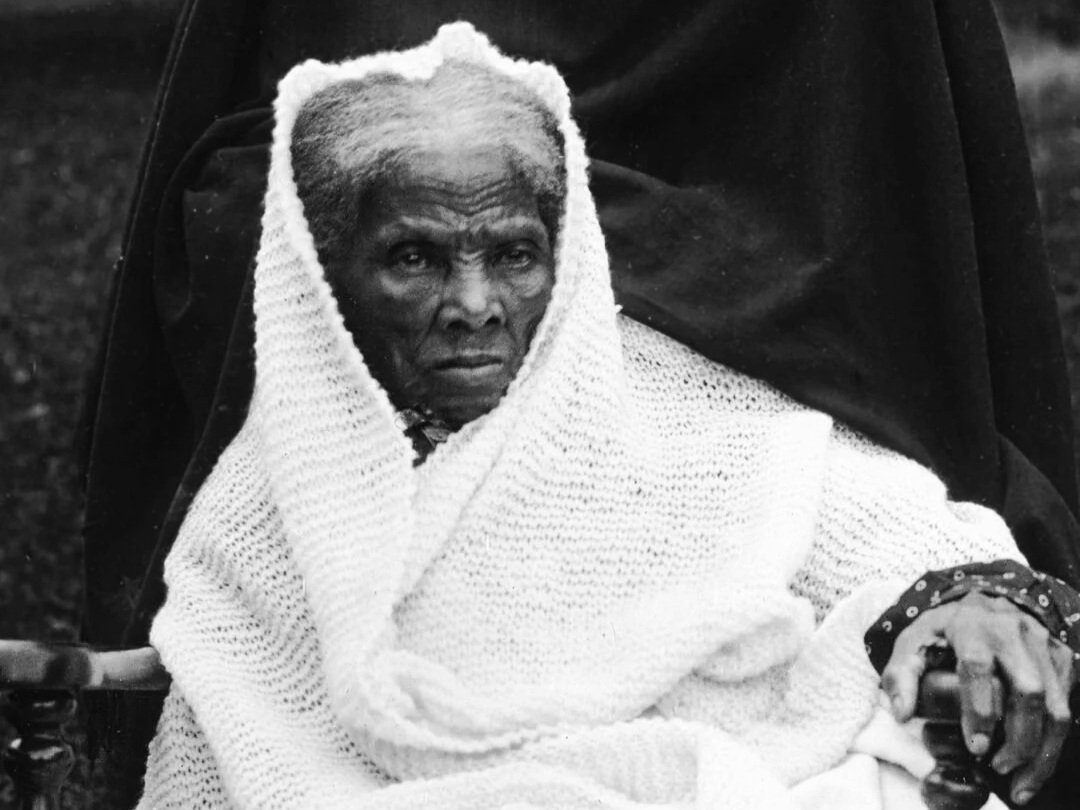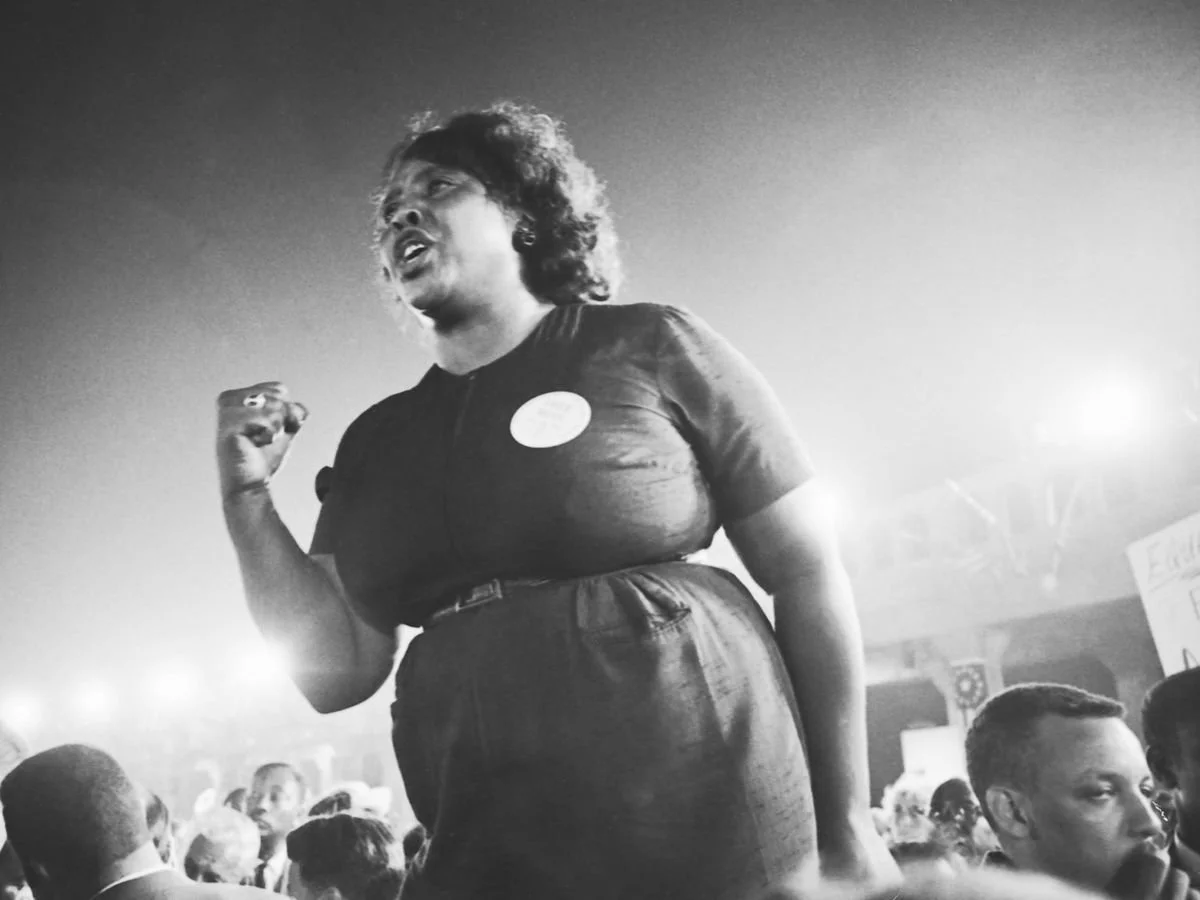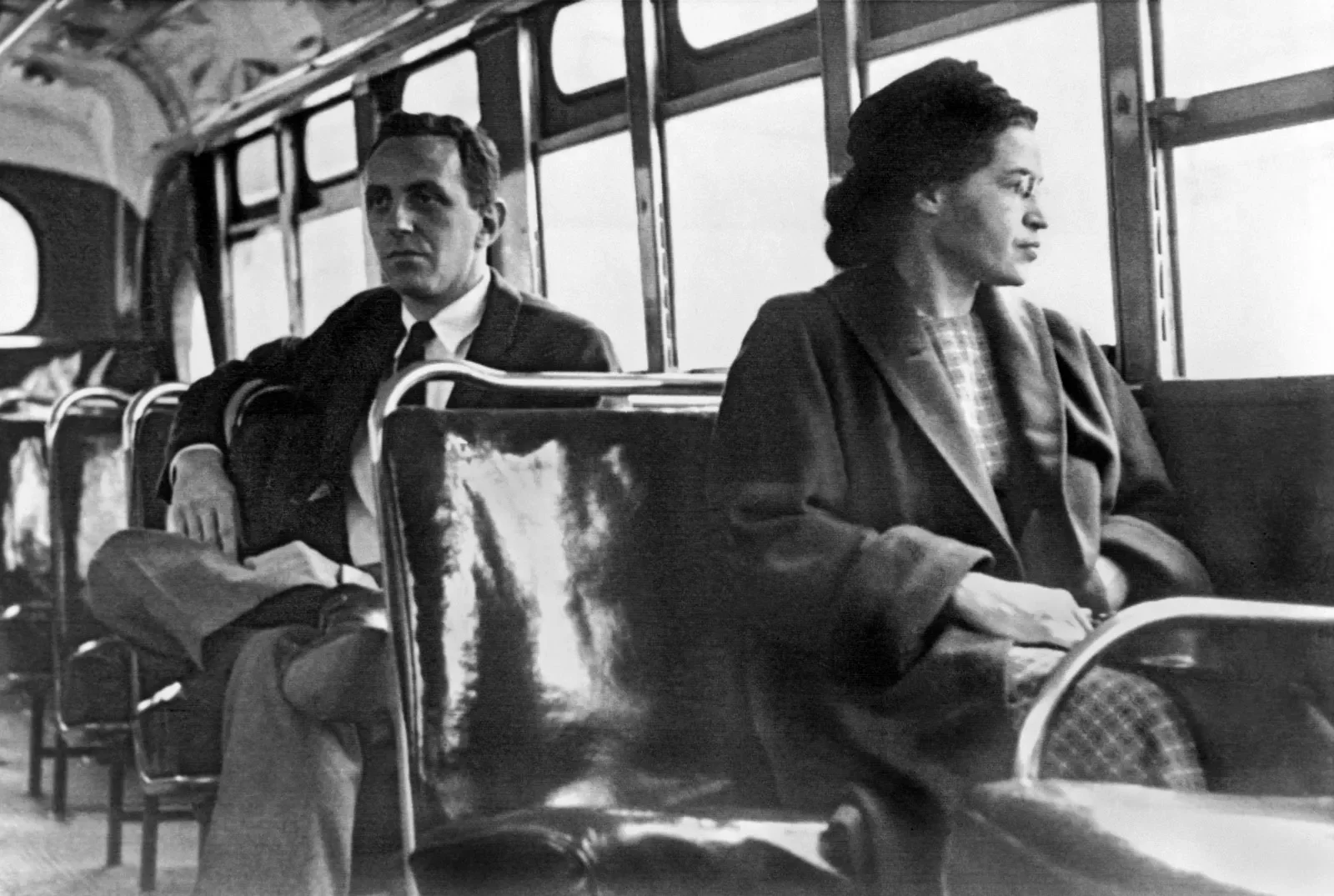
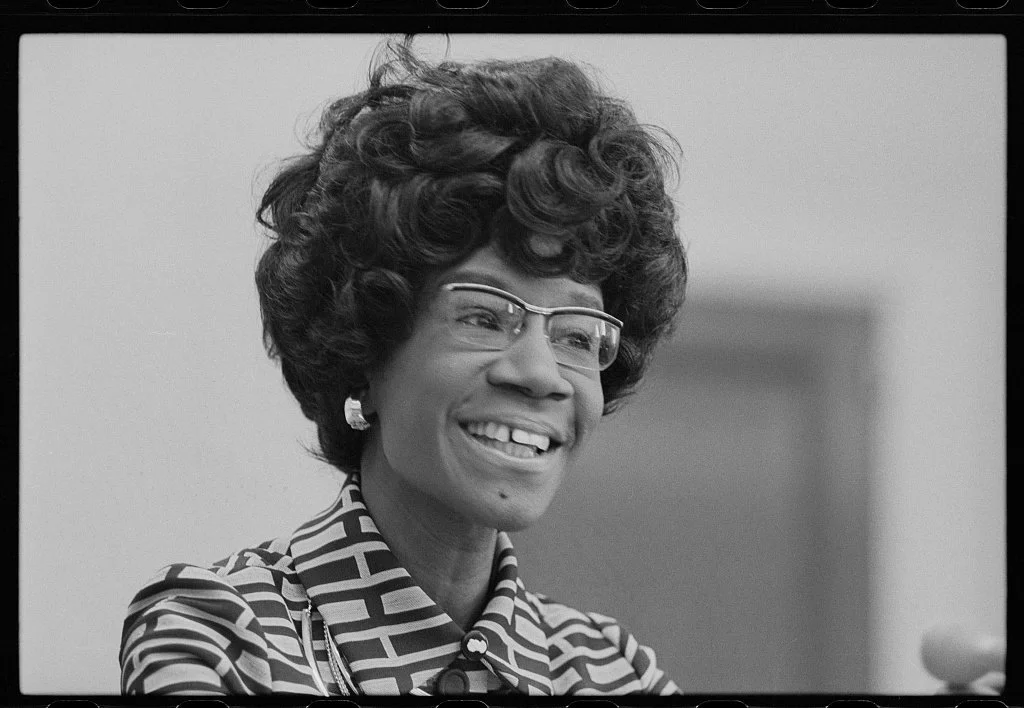
Congresswoman Shirley Chisholm announcing her candidacy for presidential nomination. Image Source: Wikimedia Commons.
In our Icon Series, we give thanks to those whose lives have laid the foundation for our journey toward justice and equity. In this season of gratitude and reflection, the New Hampshire Center for Justice & Equity celebrates the extraordinary life of Shirley Chisholm.
About Shirley Chisholm
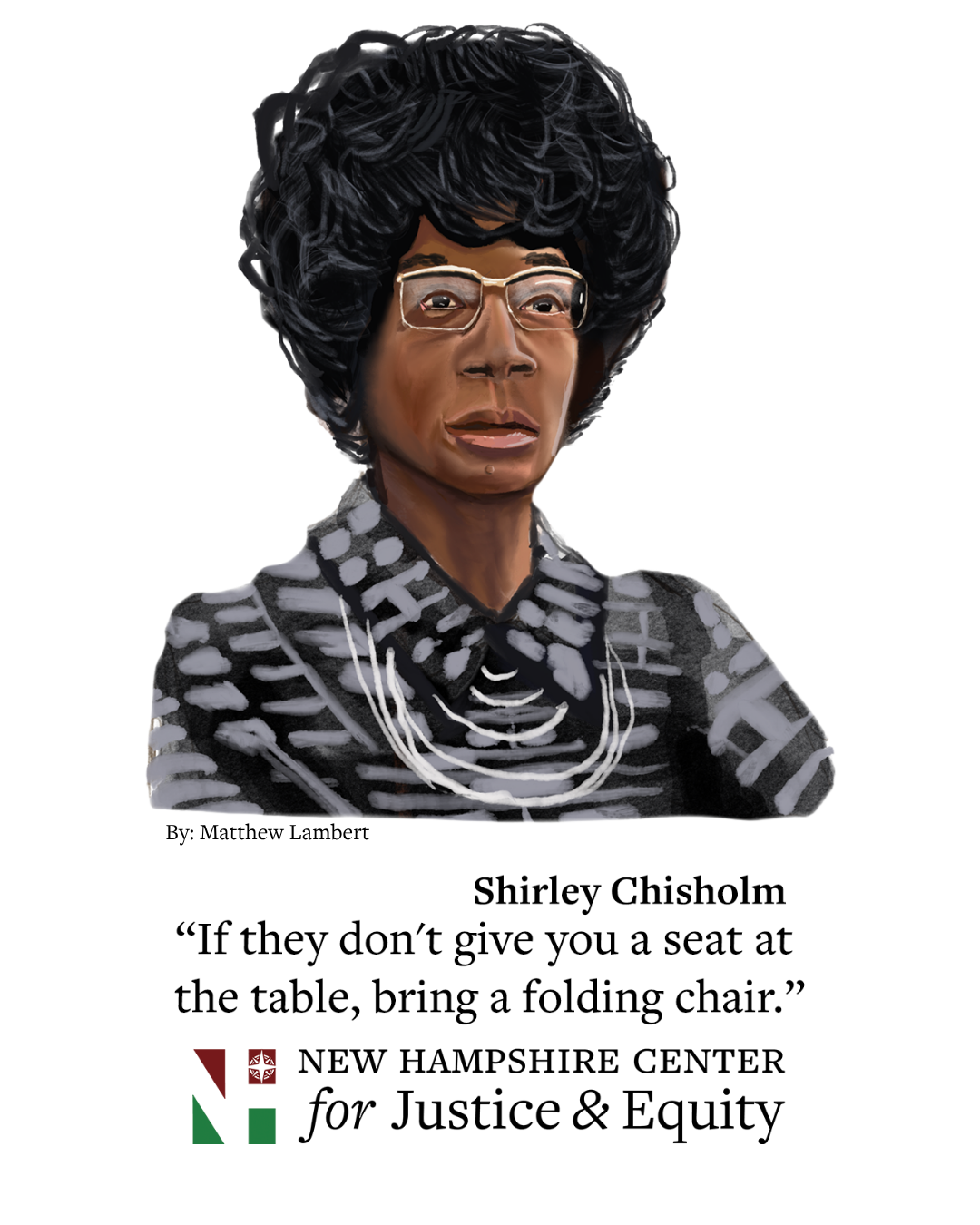
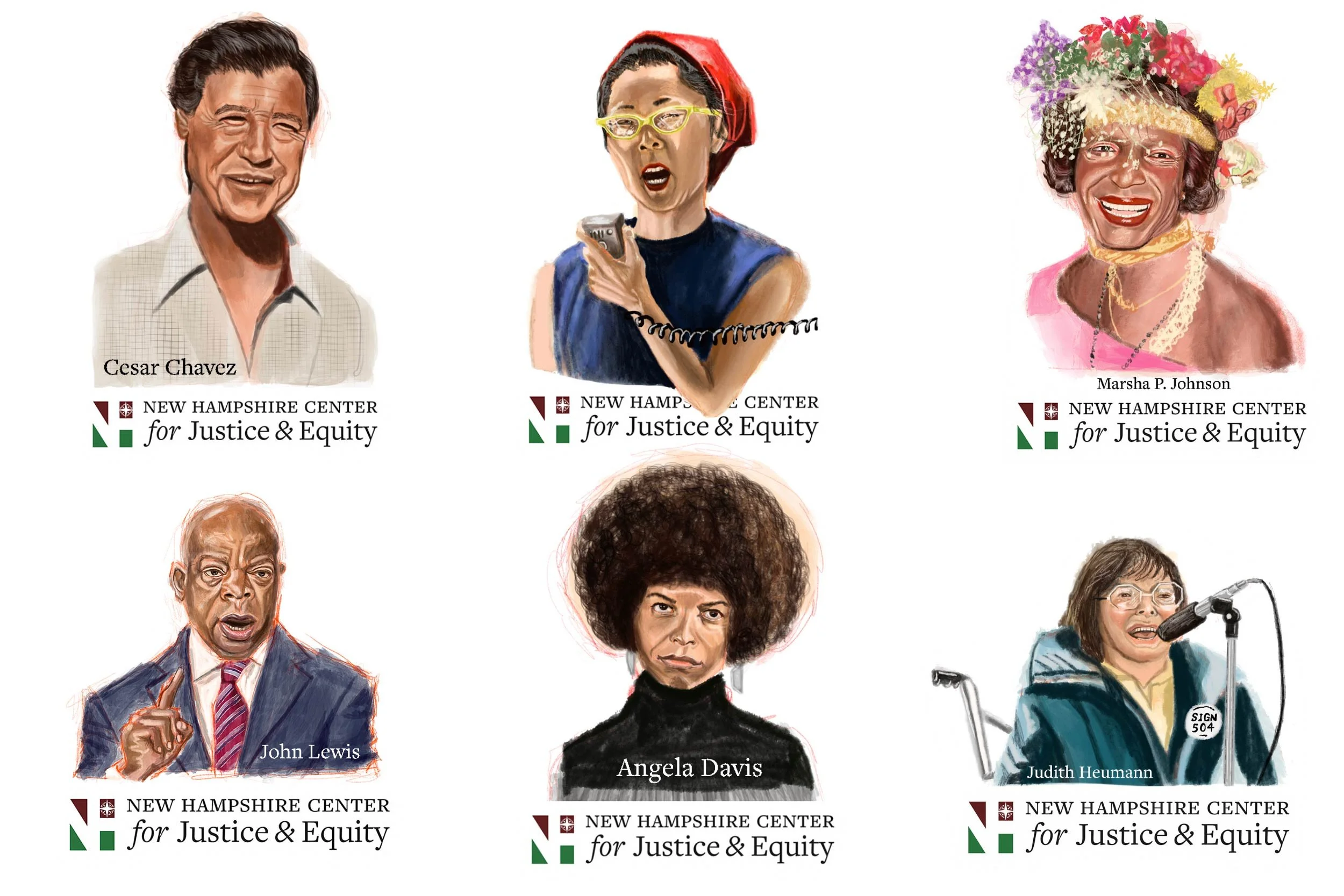
Sticker from NHCJE’s Icon Series, designed by Matt Lambert. Learn more.
Shirley Chisholm was a politician, educator, and trailblazer who became the first Black woman elected to the United States Congress. During her seven terms in the House of Representatives, she championed racial and gender equality, education, and economic opportunity for low-income communities. In 1972, she became the first Black woman to seek the presidential nomination of a major political party, challenging the racial and gender barriers that limited political representation. Known for her motto, “Unbought and Unbossed,” Chisholm built a legacy of independent leadership and a commitment to ensuring that people historically excluded from political power had a voice in shaping their future.
Early Life and Education
Shirley Anita St. Hill was born on November 30, 1924, in Brooklyn, New York, to parents who had immigrated from the Caribbean. Her father, Charles St. Hill, was born in British Guiana and worked at a factory by day and as a bakery assistant by night. Her mother, Ruby Seale St. Hill, was born in Barbados and worked as a seamstress and a maid. When Shirley was five, she and her three sisters were sent to live with their maternal grandmother in Barbados, where they remained until their parents found stable employment.
After returning to Brooklyn, Chisholm attended public schools and experienced a racially segregated society for the first time. She graduated from Brooklyn’s Girls’ High School in 1942, and although she received scholarships to attend Vassar and Oberlin colleges, her family could not afford it. Instead, Chisholm enrolled at tuition-free Brooklyn College, where she graduated cum laude in 1946 with a degree in Sociology and a minor in Spanish.
At college, she was an active student, participating in debate team and the Harriet Tubman Society, which advocated for greater equality and visibility for Black students. Although she was encouraged by her professors to pursue politics due to her public speaking skills, Chisholm began her professional life in education. She worked as a nursery schoolteacher and later directed childcare centers, helping young children and their families access early education and care. In 1949, she married Conrad Q. Chisholm, a private investigator originally from Jamaica.
In 1951, she earned a master's degree in early childhood education from Columbia University, and by the early 1960s, she was working as an educational consultant for New York City's Bureau of Child Welfare, overseeing childcare centers and supporting improvements in early childhood services. These experiences brought her into close contact with the challenges facing working families, particularly in communities affected by poverty and racial discrimination.
From Community Leadership to Congress
Alongside her work in education, Chisholm developed a growing involvement in politics. She joined local chapters of the League of Women Voters, the National Association for the Advancement of Colored People (NAACP), and the Urban League, and became a leader of the Democratic Party club in Brooklyn. She challenged organizations when they overlooked women’s contributions and pushed for women to have a more meaningful role in political decision-making.
When a seat in the New York State Legislature opened in 1964, she decided to run. People in the community questioned whether politics was an appropriate pursuit for a woman, but Chisholm persevered, winning the Democratic nomination and then the election. She became the second Black person elected to the New York State Legislature.
As a state legislator, Chisholm worked to expand educational and economic opportunities. She helped establish the EEK program (Search for Elevation, Education, and Knowledge), which provides educational support and access to public higher education to underserved students. She also supported job protections for teachers taking maternity leave and expanded unemployment insurance coverage for domestic workers.
In 1968, Chisholm ran for the U.S. House of Representatives, representing New York's 12th Congressional District in Brooklyn. Running under the slogan “Unbought and Unbossed” and supported by the local community, she defeated Republican and Liberal Party candidate James Farmer to become the first Black woman elected to Congress. She took office in January 1969, and introduced more than 50 pieces of legislation and advocated for racial and gender equality, anti-poverty measures, and an end to the Vietnam War.
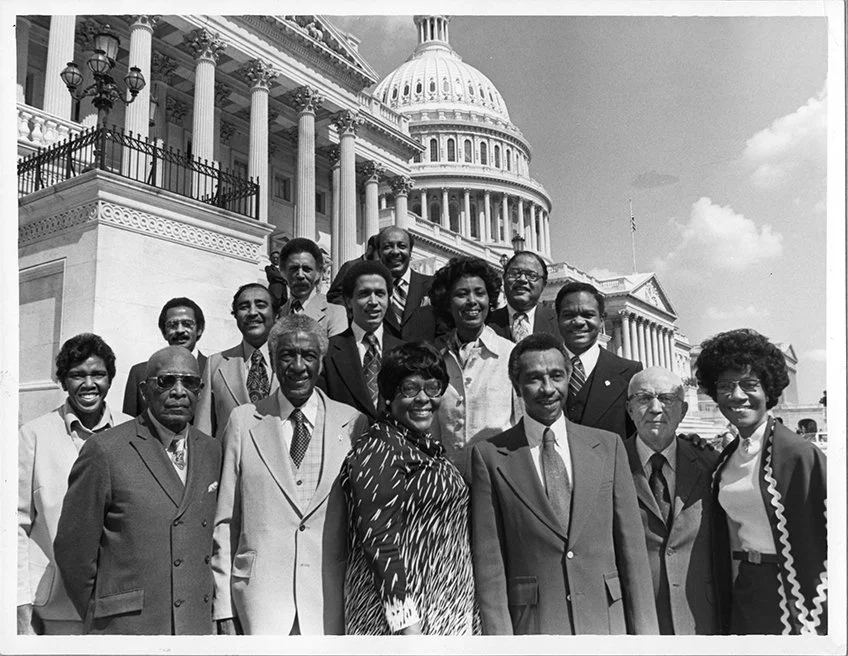
Washington, D.C.: Members of the Congressional Black Caucus on the capitol steps, featuring Shirley Chisholm on the left. Image Source: National Archives Catalog.
In 1971, Chisholm became a founding member of the Congressional Black Caucus, helping strengthen the collective voice of Black lawmakers in Congress. She also helped establish the National Women's Political Caucus, which sought to increase women's participation in within a male-domimnated political space.
Breaking Barriers in the Presidential Race
In January 1972, Chisholm announced her candidacy for the Democratic Party's presidential nomination, becoming the first Black woman to seek the nomination of a major political party. She faced significant barriers, as her campaign was underfunded, and she was initially excluded from televised primary debates. After taking legal action, Chisholm secured a place in one debate in June 1972. She also faced skepticism from political leaders and media outlets that treated her candidacy as symbolic rather than as a serious effort to influence national policy.
Chisholm entered 12 primaries and won 152 delegate votes, approximately 10 percent of the total. Although she did not secure the nomination, she had broader goals than winning the presidency. She wanted to challenge the belief that the country was not ready for a Black or woman president, bring overlooked issues into national debate, and create opportunities for future generations of women and people of color to participate in politics.
After her presidential campaign, Chisholm continued serving in Congress for more than a decade. In 1977, she became the first Black woman and the second woman ever to serve on the powerful House Rules Committee, which helps determine how legislation is considered on the House floor. That same year, she divorced Conrad Chisholm and married Arthur Hardwick Jr., a New York State legislator.
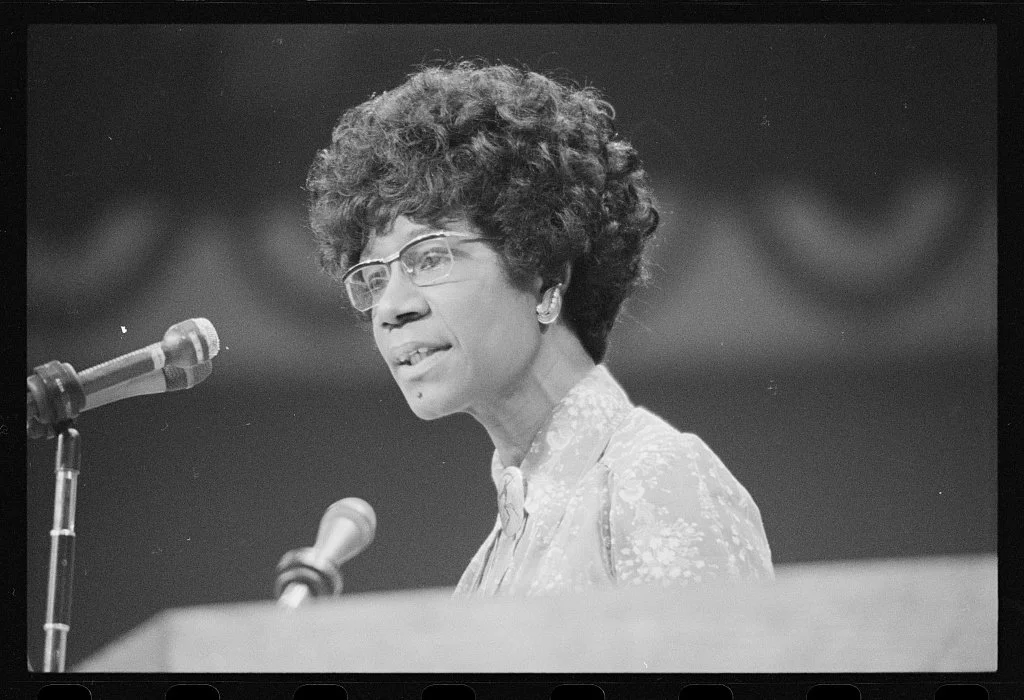
U.S. Representative Shirley Chisolm (N.Y.), speaking at the Democratic National Convention, New York City, New York. 1976. Image Source: Library of Congress.
After retiring from Congress in 1983, she continued to teach and organize. Chisholm taught sociology and political science at Mount Holyoke College and helped establish the National Political Congress of Black Women. In 1991, she moved to Florida, and later declined a nomination to become U.S. ambassador to Jamaica due to health concerns.
A Legacy of Public Service
Shirley Chisholm died on January 1, 2005, at 80 years old. In 2015, President Barack Obama posthumously awarded her the Presidential Medal of Freedom. In 2024, she was also posthumously awarded the Congressional Gold Medal in recognition of her historic contributions to American public life.
Chisholm’s legacy extends beyond the barriers she broke. Through her work in education, Congress, and the presidential campaign trail, she demonstrated how public service could be used to challenge inequality and improve people's lives. As a NHCJE Icon, her determination to speak independently, advocate for overlooked communities, and make political institutions more inclusive continues to inspire those working toward justice and equity.
Learn More About Shirley
https://www.biography.com/political-figures/shirley-chisholm
https://www.womenshistory.org/education-resources/biographies/shirley-chisholm
https://www.notablebiographies.com/Ch-Co/Chisholm-Shirley.html
https://www.aaihs.org/resurrecting-shirley-chisholm-from-symbol-to-life/
https://blackhistory.news.columbia.edu/people/shirley-chisholm
https://nmaahc.si.edu/shirley-chisholm-president
Call to Action

The work of advancing justice didn't begin with us, and it won't end with us. Building on the legacies of our Icons and all advocates for justice who came before us, we carry this work forward at the New Hampshire Center for Justice & Equity through community-focused research & storytelling, coalition-building, and advocacy to advance racial, social, and economic justice.
This Giving Tuesday, by investing in NHCJE, you invest in the continuation of that legacy. Your contribution supports our mission to build a more just, equitable, and community-centered New Hampshire.
Learn more about NHCJE’s Icon Series