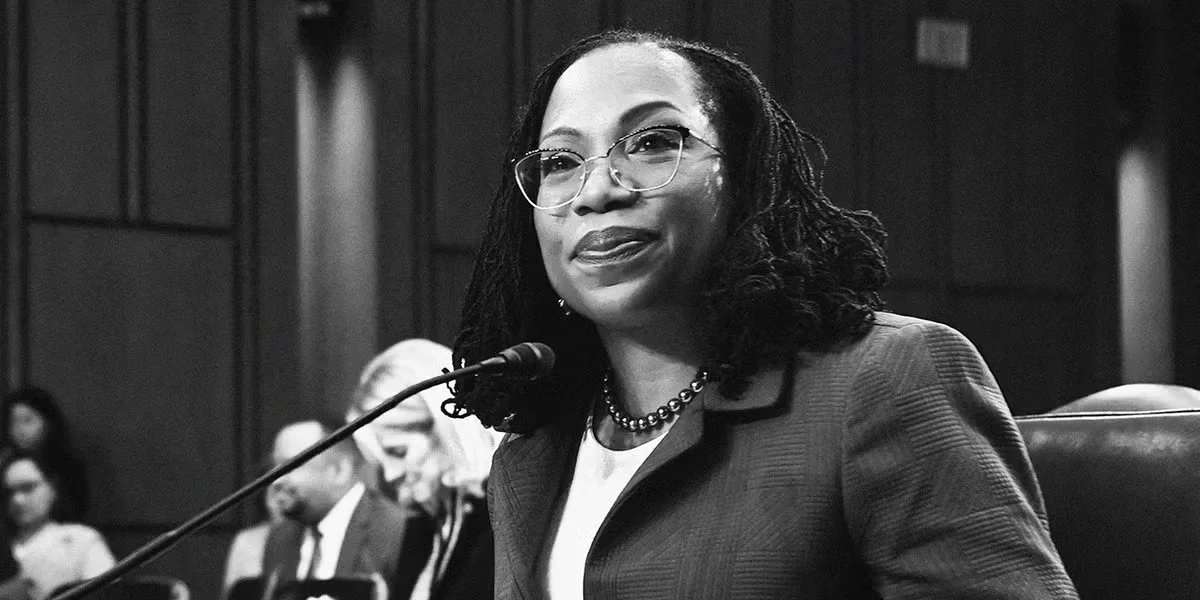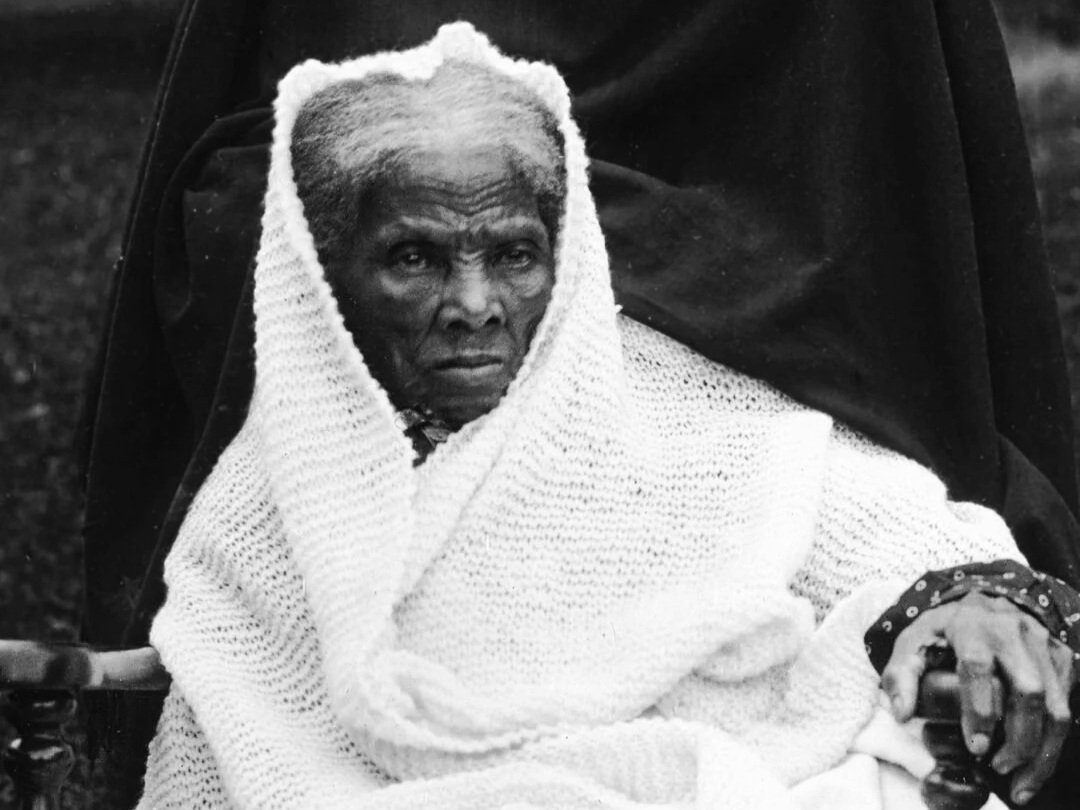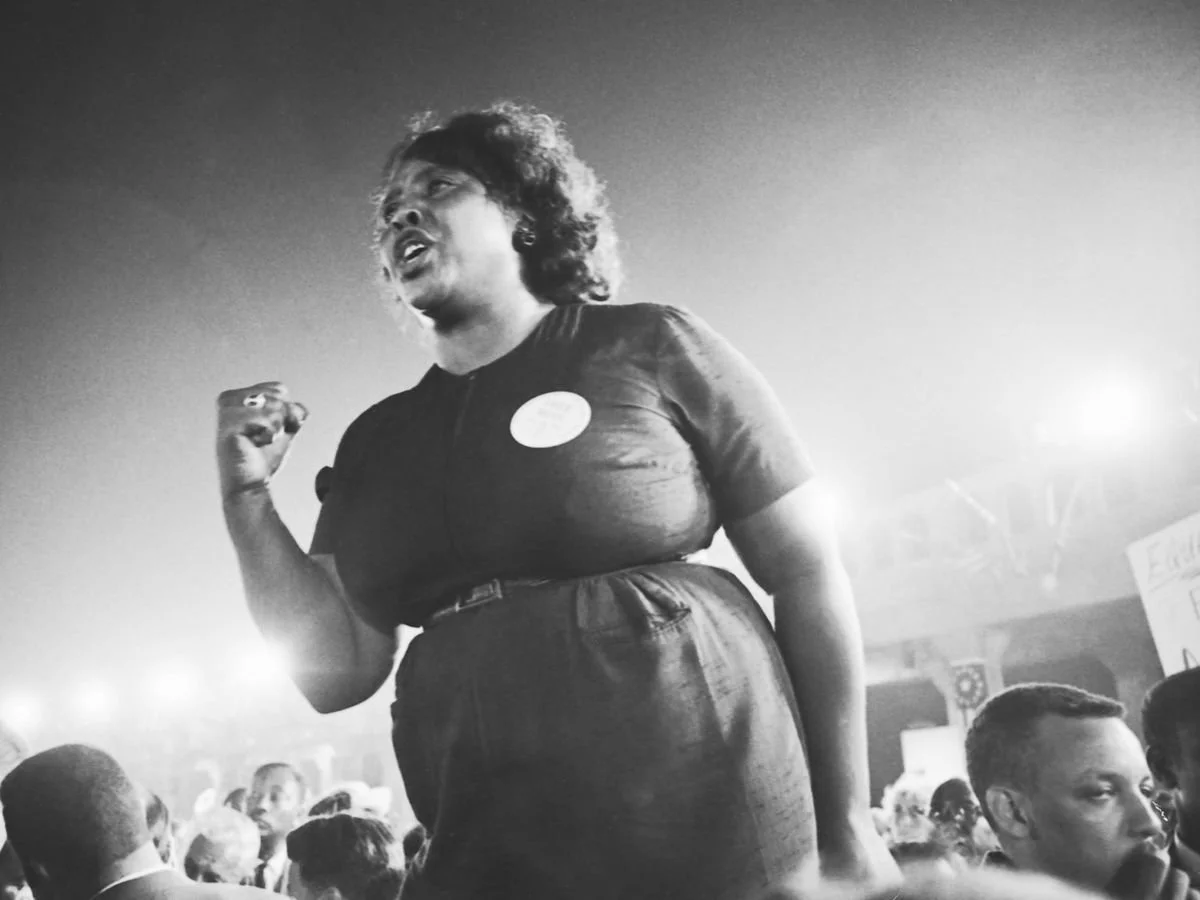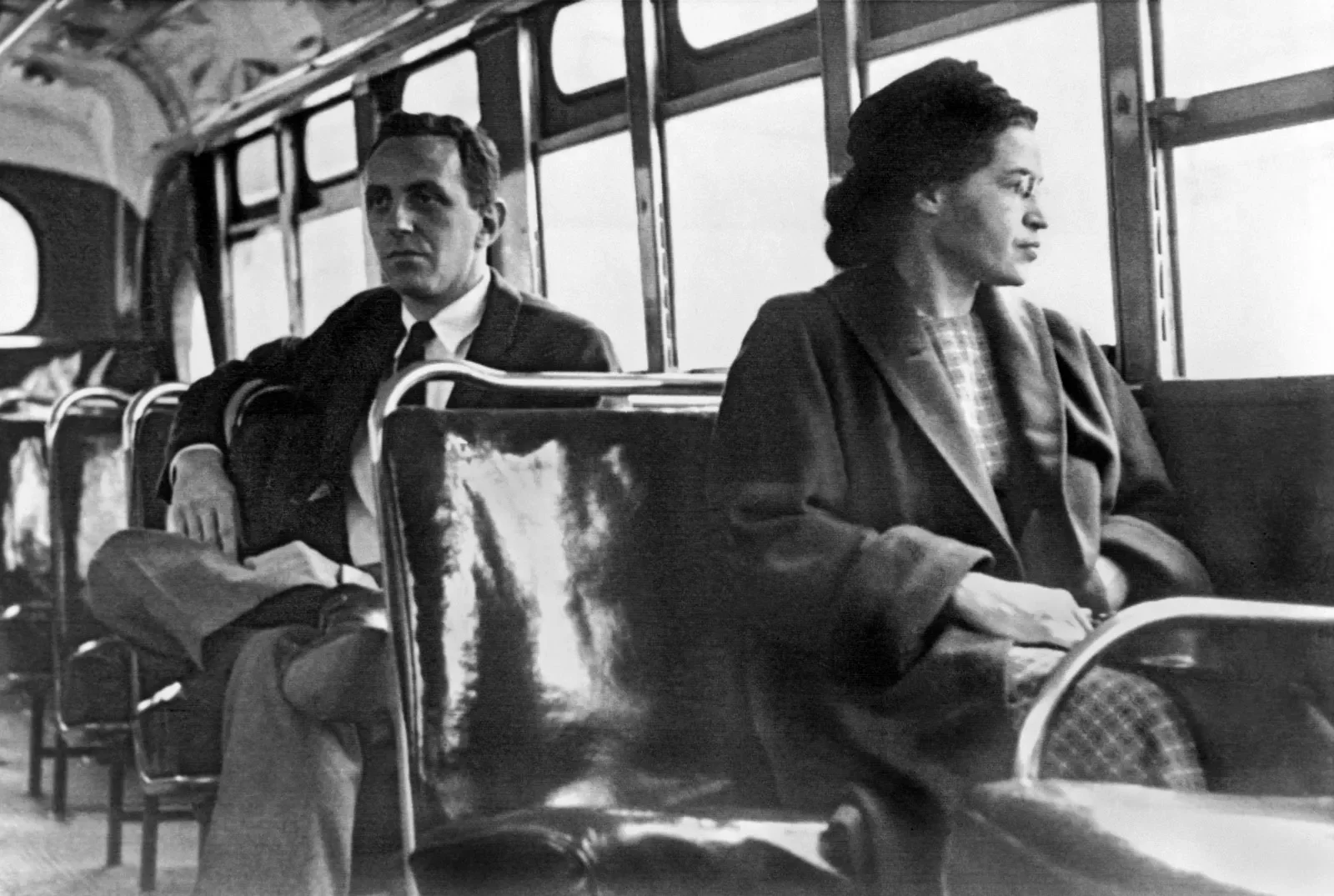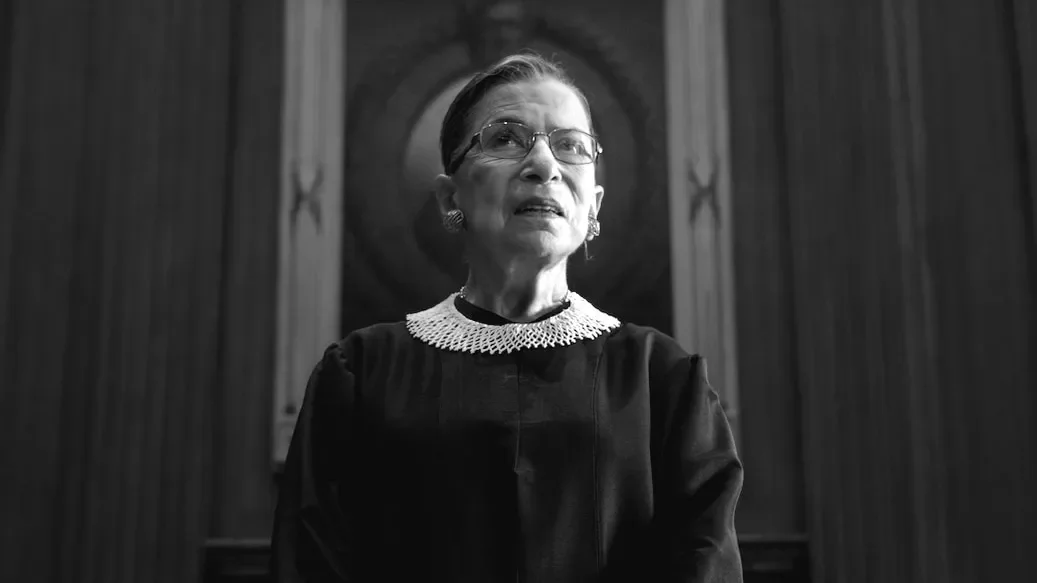
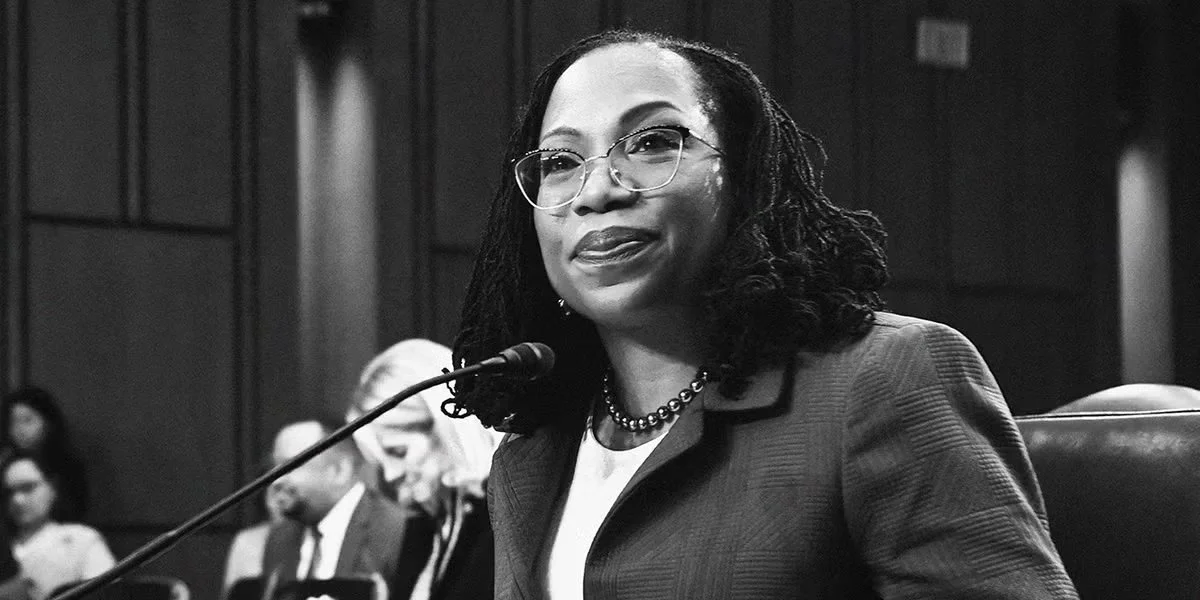
In our Icon Series, we give thanks to those whose lives and legacies have laid the foundation for our journey toward justice and equity. In this season of gratitude and reflection, the New Hampshire Center for Justice & Equity celebrates the extraordinary life of Ketanji Brown Jackson.
About Ketanji Brown Jackson
Ketanji Brown Jackson is an American jurist and the first Black woman to serve as an Associate Justice of the United States Supreme Court. Before joining the Court in 2022, she worked as a federal public defender, served on the U.S. Sentencing Commission, and was a federal judge for nearly a decade. Beyond serving on the nation's highest court, her career has included advocating for people involved in the criminal legal system and examining federal sentencing policy. Across these roles, Jackson has brought a perspective shaped by her family, her education, and her belief in the importance of understanding the law and its impact on people's lives.
A Childhood Shaped by Education and Ambition
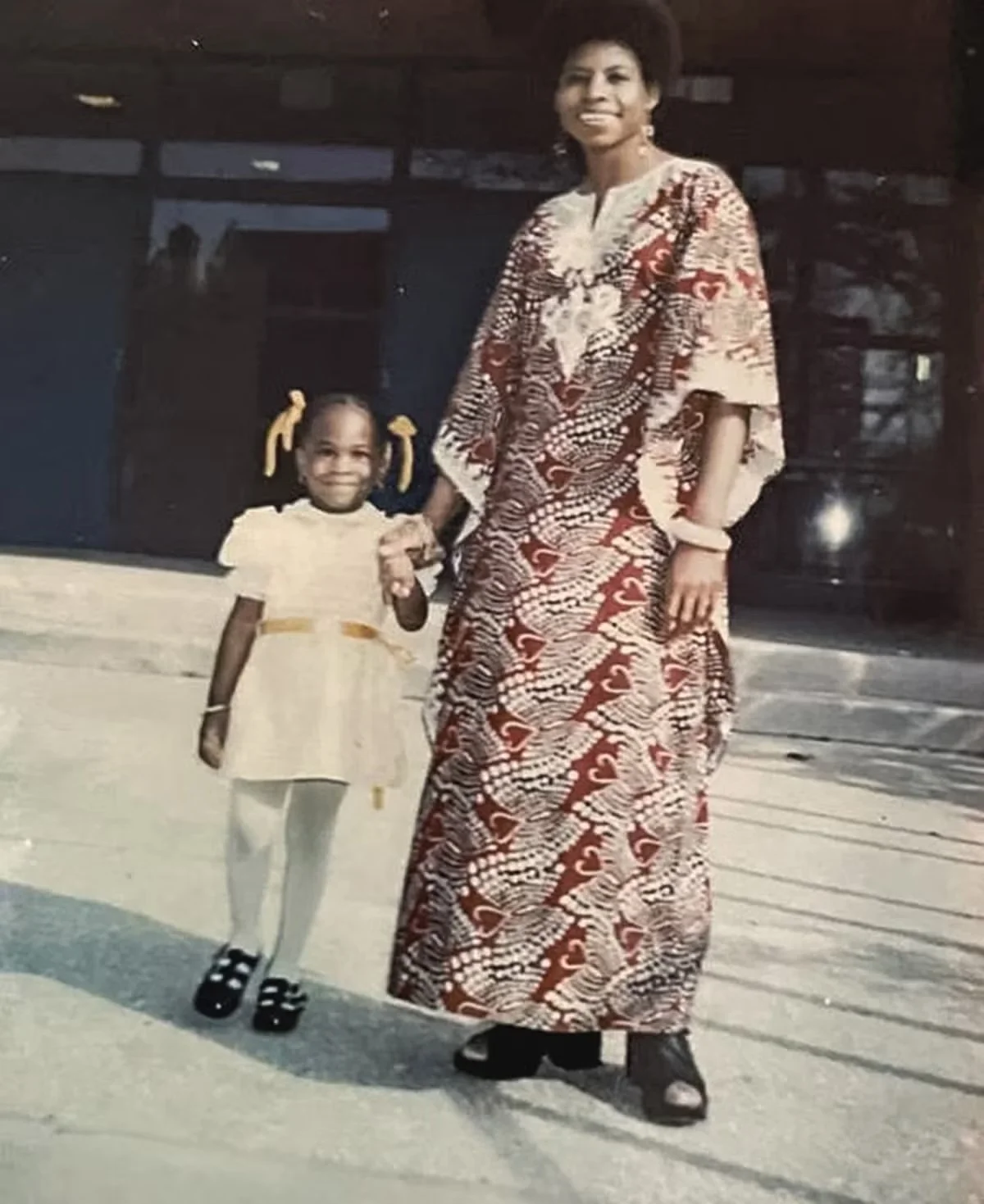
Image: Ketanji Brown Jackson at age 3 with her mother, Ellery Brown. Source: ‘One Generation … from Segregation to the Supreme Court’, Harvard Law Bulletin, image courtesy of the Brown Family.
Ketanji Brown Jackson was born in Washington, D.C., on September 14, 1970, and raised in Miami, Florida. Her parents, Ellery and Johnny Brown, were both public school educators who encouraged their children to pursue opportunities that had not always been available to their family. They chose the name Ketanji Onyika, which means "lovely one," to honor their ancestry, after consulting with a relative serving in the Peace Corps in West Africa.
Jackson's interest in law began at home, when her father left his job as a history teacher to attend law school. He later became the chief attorney for the Miami-Dade County School Board, while her mother eventually became a high school principal.
As a student at Miami Palmetto Senior High School, Jackson excelled academically and was an accomplished public speaker. She served as student body president, was voted “most likely to succeed,” and became a national champion in speech and debate. Her first visit to Harvard during a national debate competition inspired her to apply to the university.



Jackson's experiences growing up shaped how she thought about history, race, and the law. She learned about life in the segregated South and the impact of the civil rights movement from her parents and grandparents. Her family’s experiences with the legal system, on both sides of the law, gave her a personal understanding of how institutions can shape people's opportunities and lives.
Studying for a Career in Public Service
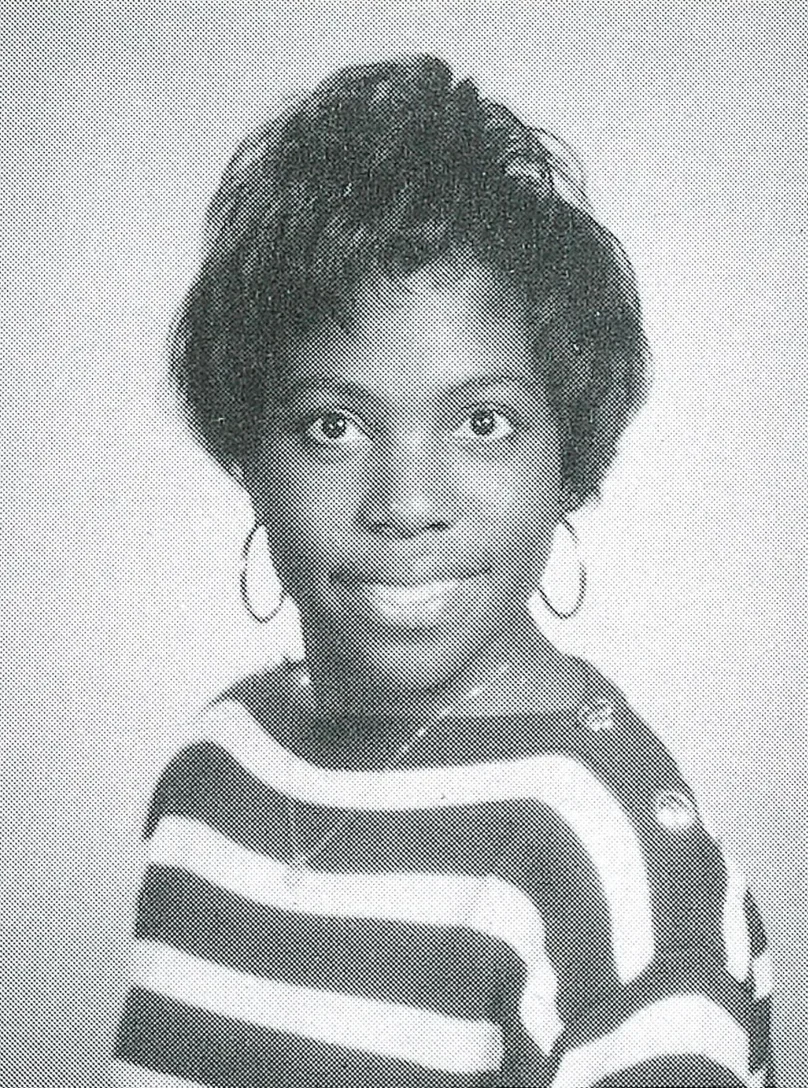
Image: Jackson's yearbook photo at Harvard in 1992. Source: ‘In pictures: Supreme Court Justice Ketanji Brown Jackson’, CNN, image courtesy of Harvard Yearbook Publications.
Jackson enrolled at Harvard University in 1988 and graduated magna cum laude in 1992 with a Bachelor’s Degree in Government. Her senior thesis, "The Hand of Oppression: Plea Bargaining Processes and the Coercion of Criminal Defendants,” explored how plea deals can affect people with limited power or resources, an issue that would remain central to her career.
After graduating, Jackson spent a year working at Time magazine and as an intern with the Neighborhood Defender Service of Harlem, before entering Harvard Law School in 1993. She became an editor of the Harvard Law Review and earned a Juris Doctor (J.D.) in 1996. In the same year, she married Patrick Graves Jackson, whom she had met while they were both undergrads at Harvard. They have two daughters.
Jackson went on to clerk for three federal judges after completing her education, including Judge Patti B. Saris, Judge Bruce M. Selya, and Supreme Court Justice Stephen Breyer during the 1999–2000 term. She spent most of her career in public service, with some stints in private practice.
Advocating for People in the Criminal Legal System
Between 2003 and 2005, Jackson worked for the U.S. Sentencing Commission, a bipartisan agency created to address sentencing disparities, and from 2005 to 2007, she served as an assistant federal public defender in Washington, D.C., representing people who could not afford private attorneys, including some detainees held at Guantanamo Bay.
In 2010, she rejoined the U.S. Sentencing Commission, appointed by President Barack Obama, where she served as a commissioner and vice chair through 2014. During Jackson's tenure, the commission unanimously passed the Fair Sentencing Act of 2010 to lower federal drug sentences and made the changes retroactive, allowing some people already serving sentences to seek reductions.
In 2013, she became a judge on the U.S. District Court for the District of Columbia after being nominated by President Obama. She served there for more than eight years before joining the U.S. Court of Appeals for the D.C. Circuit in 2021.
Making History on the Supreme Court
In February 2022, President Joe Biden nominated Jackson to succeed Justice Stephen Breyer on the U.S. Supreme Court, for whom she had previously served as a law clerk. The Senate confirmed her on April 7, 2022, and she took the constitutional and judicial oaths on June 30, becoming the first Black woman justice to ever serve on the Supreme Court.
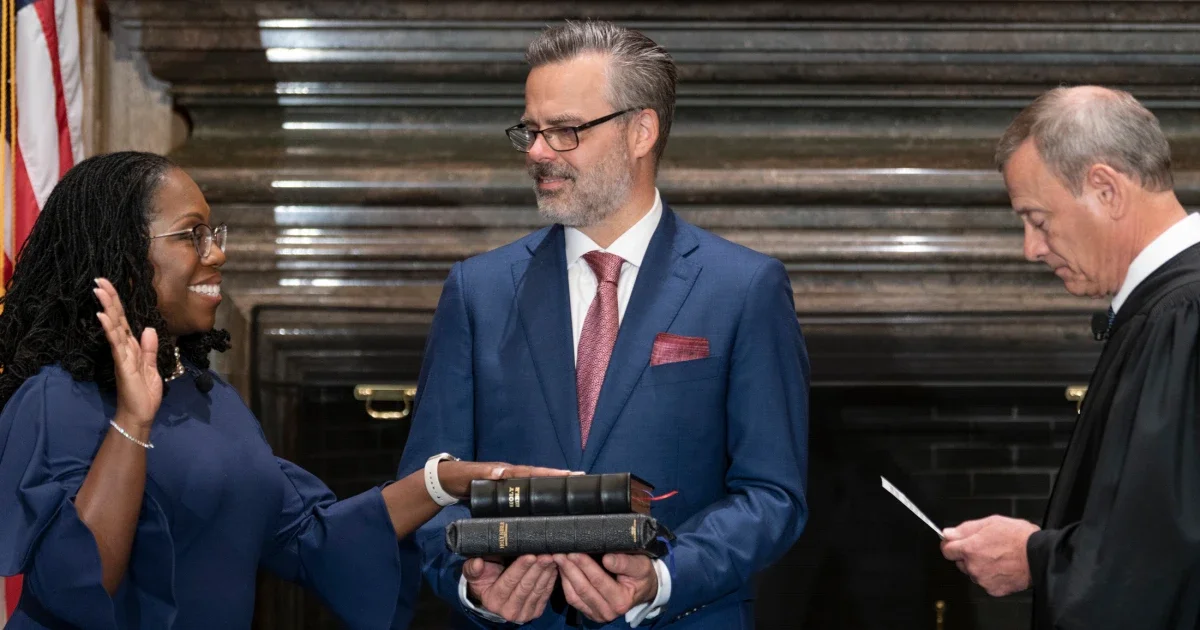
Image: Ketanji Brown Jackson is sworn in as a Supreme Court Justice - Chief Justice of the United States John Roberts administers the Constitutional Oath to Jackson as her husband Patrick Jackson holds the Bible at the Supreme Court in Washington, Thursday, June 30, 2022. Source: Supreme Court via AP.
Jackson's appointment represented a historic milestone. Since 1789, 116 justices have served on the Supreme Court, and all but eight have been white men. She joins Thurgood Marshall, who became the first Black justice in 1967, and Sonia Sotomayor, who became the first Latina justice in 2009, as those who broke barriers in the Supreme Court's history.
In her 2024 memoir, Lovely One, Jackson has emphasized that reaching a position once closed to Black women does not mean that she was the first person capable of doing the work. She credited Constance Baker Motley, the first Black woman to serve as a federal judge, as a role model, recognizing the generations of women whose talent and qualifications existed before they could have a seat at the table.
Carrying the Work Forward

Jackson speaking at the White House ceremony after her confirmation to the U.S. Supreme Court, April 8, 2022. Source: Chip Somodevilla/Getty Images
Ketanji Brown Jackson's career has taken her from a public school education in Miami to the highest court in the United States, demonstrating how access to education, mentorship, representation, and opportunity can shape one’s future. As an NHCJE Icon, her story is a reminder that progress is built across generations by people who open doors, challenge barriers, share knowledge, and create opportunities for others.
Learn More about Ketanji
https://www.biography.com/legal-figures/ketanji-brown-jackson — Biography.com
https://supremecourthistory.org/supreme-court-justices/associate-justice-ketanji-brown-jackson/ — Supreme Court Historical Society
https://naacp.org/resources/historic-nomination-ketanji-brown-jackson-supreme-court — NAACP
Call to Action


The survey will help inform the New Hampshire (NH) Environmental Justice (EJ) Assessment, which will serve as a vital step to ensuring that NH residents—no matter their income, race, or where they live, work, or play—have clean air and water, accessible green spaces, and healthy homes.
All responses are anonymous
It takes about 6-12 minutes to complete
The survey will be open until November 17, 2026
Adults aged 18 years or older living in New Hampshire are eligible to take the survey
Survey respondents can enter a drawing for one of five $100 gift cards
The survey is part of the New Hampshire Environmental Justice Assessment, sponsored by Conservation Law Foundation, Clean Energy New Hampshire, and New Hampshire Center for Justice & Equity.