
As America Turns 250, Whose Stories Do We Celebrate?
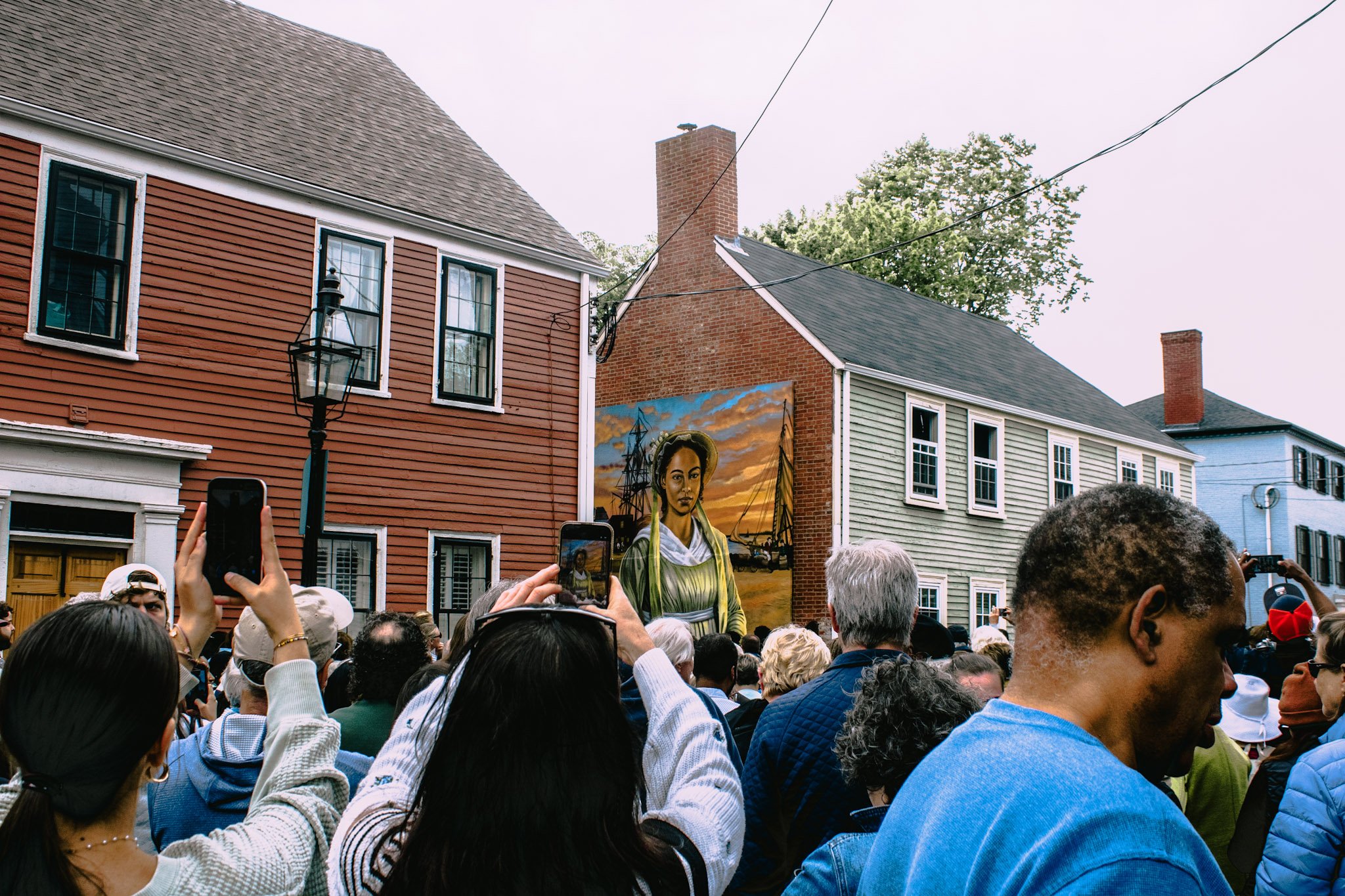
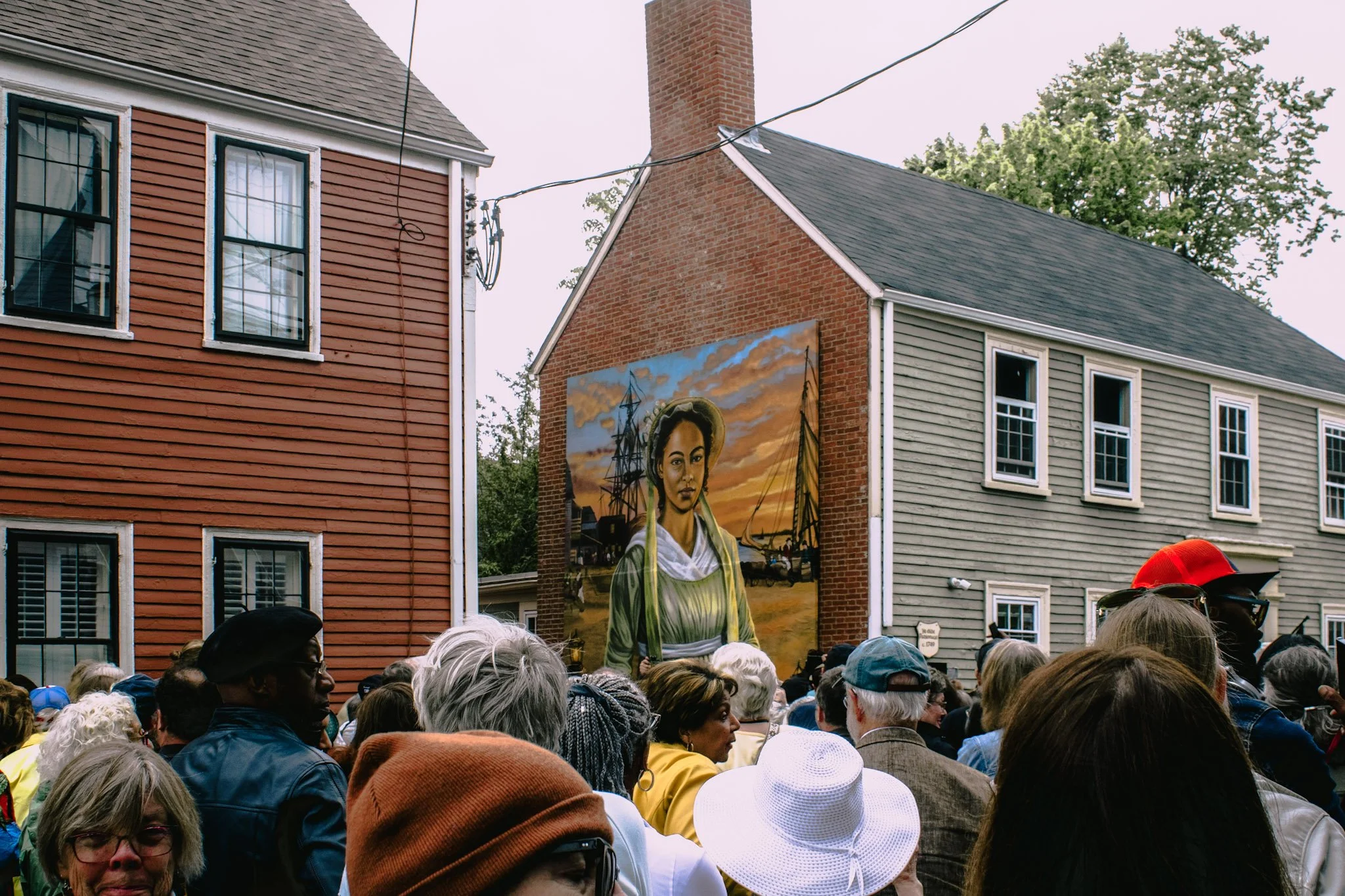
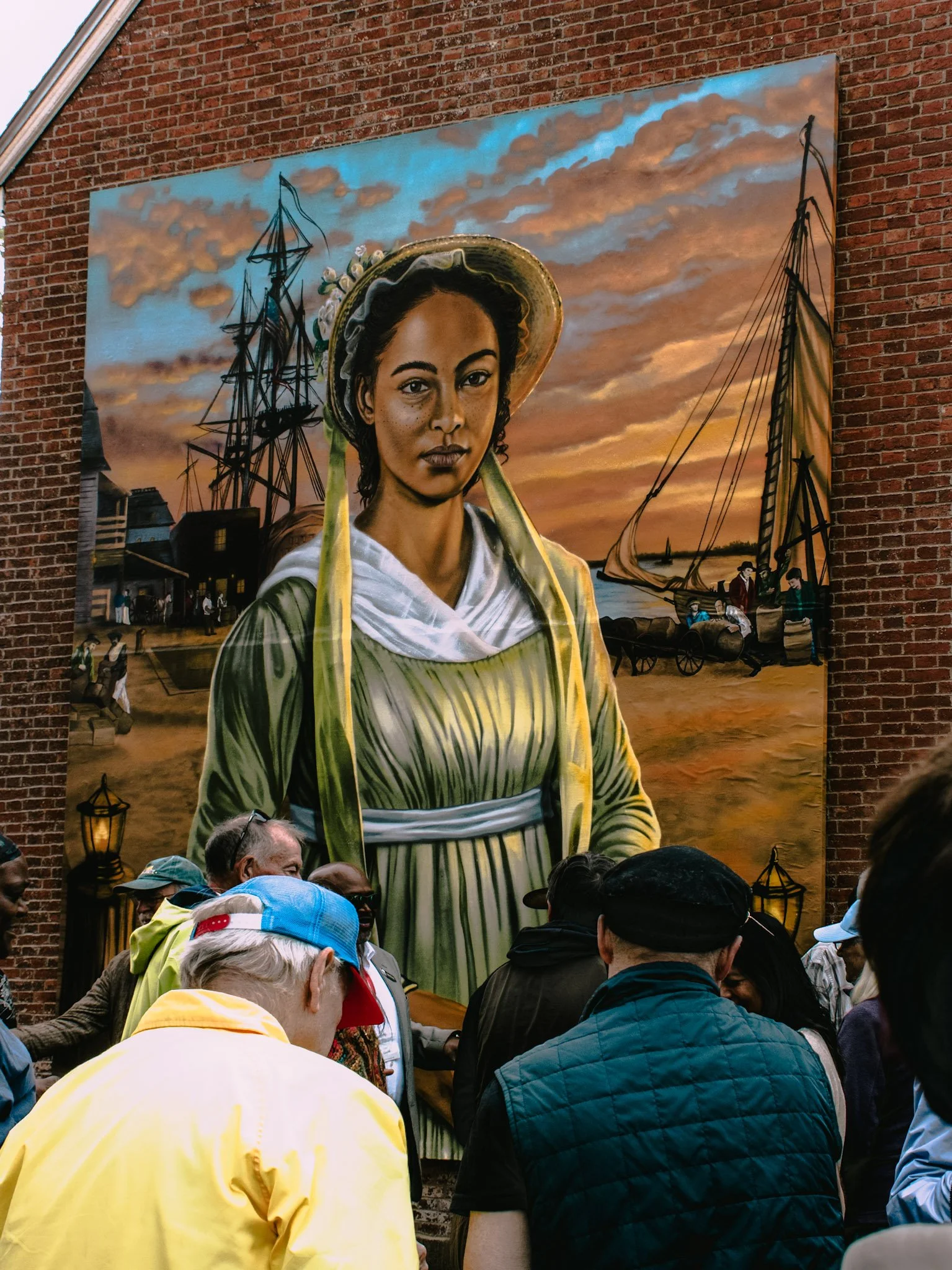
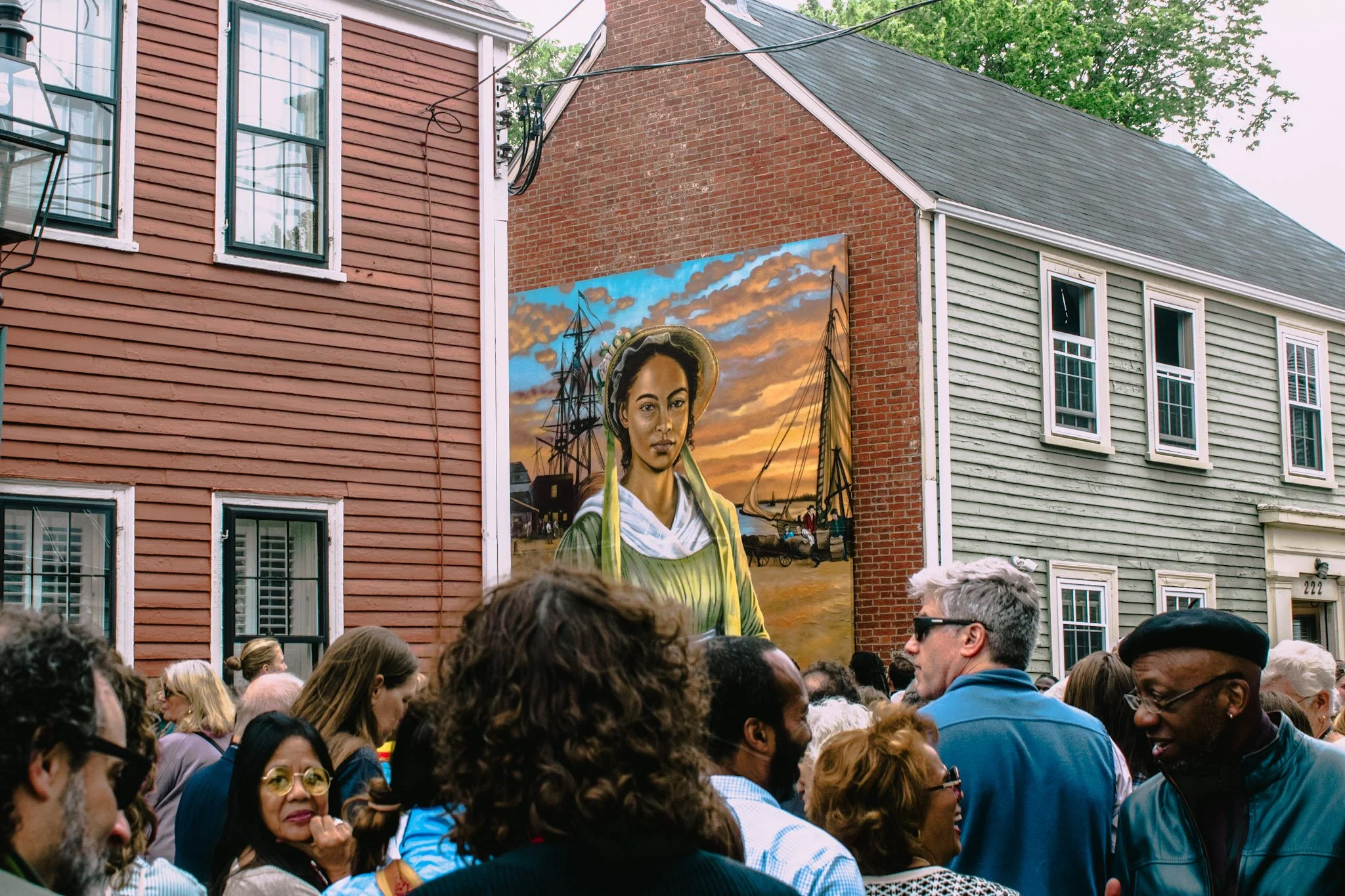
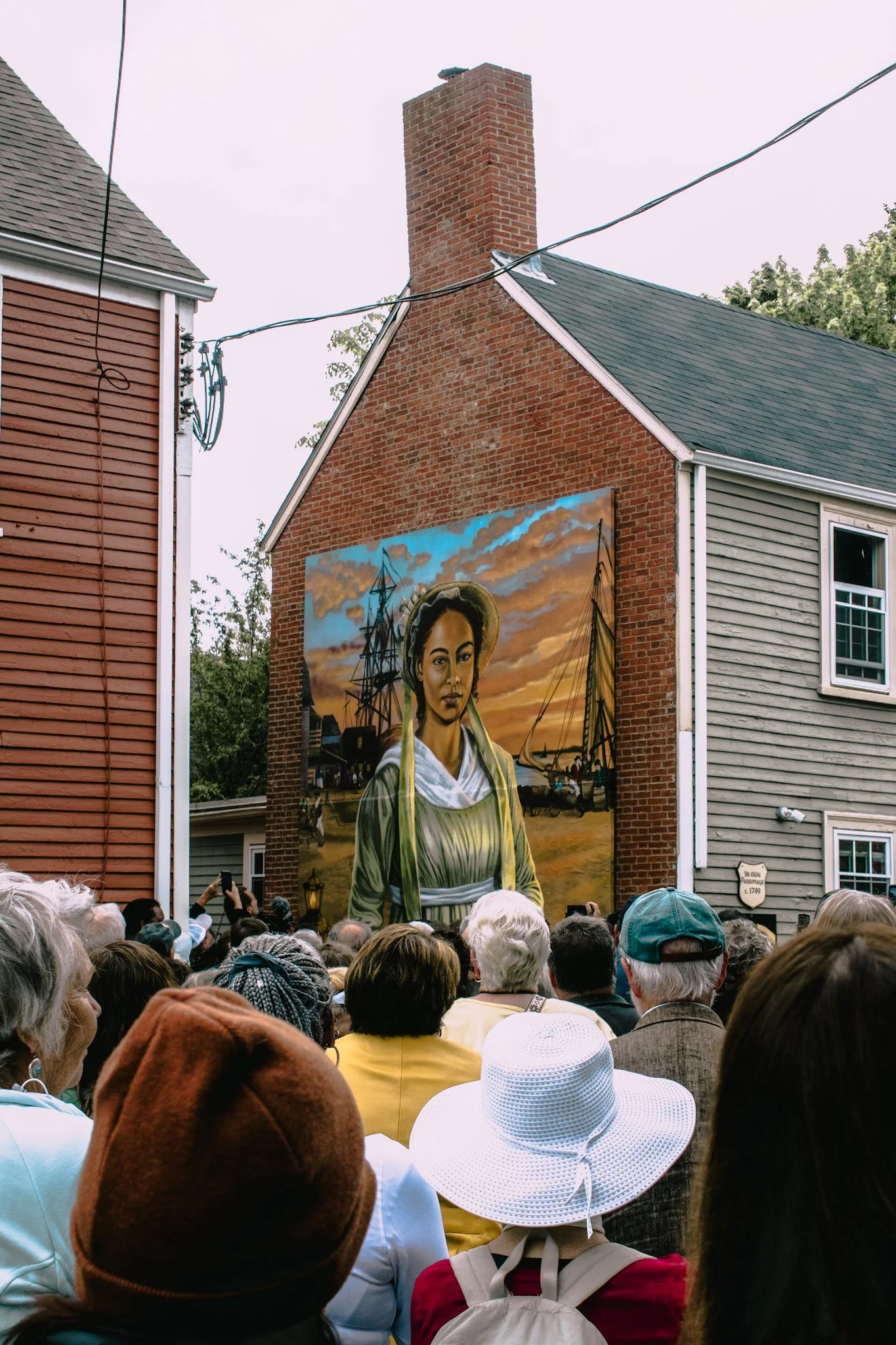
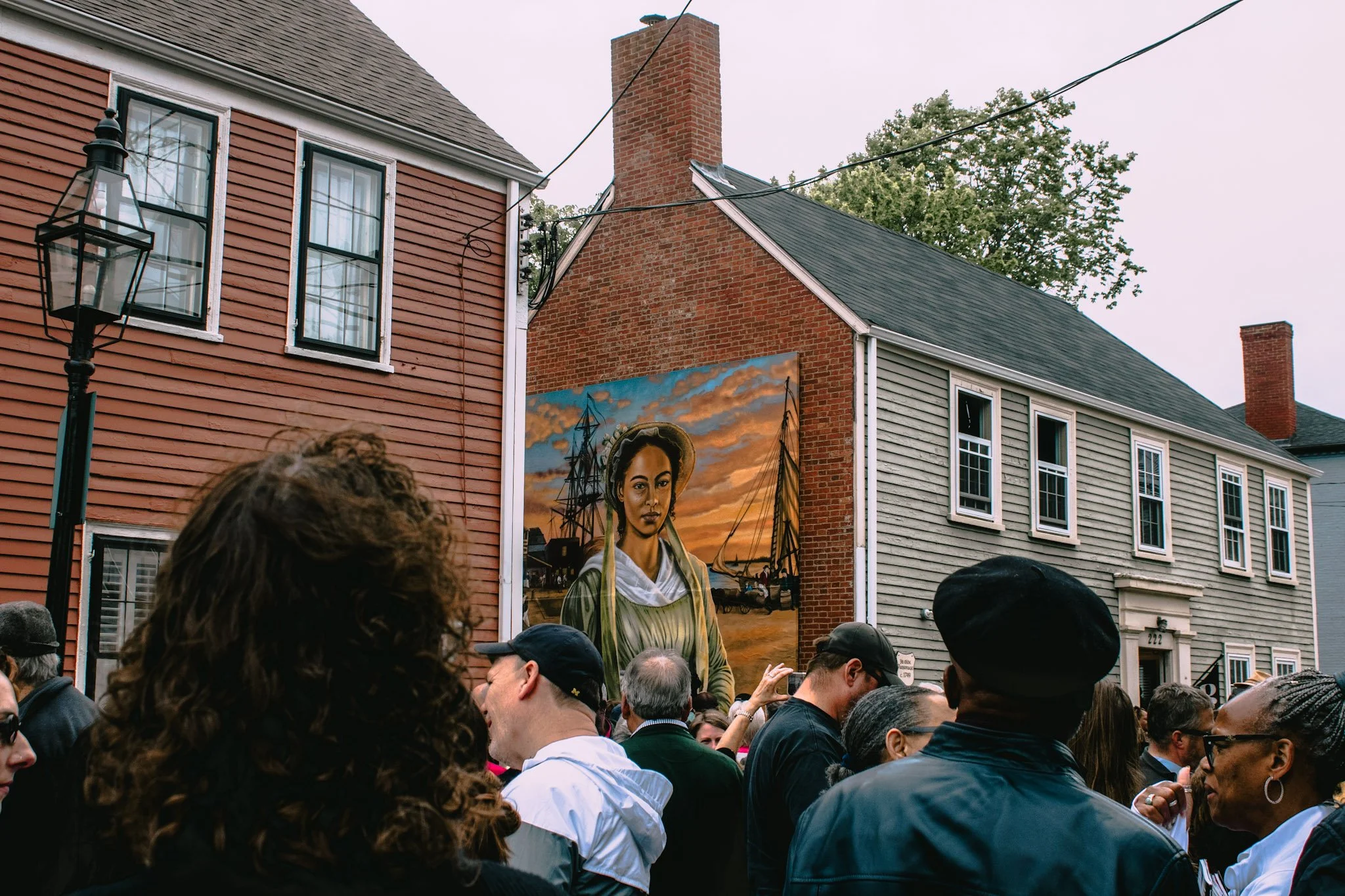
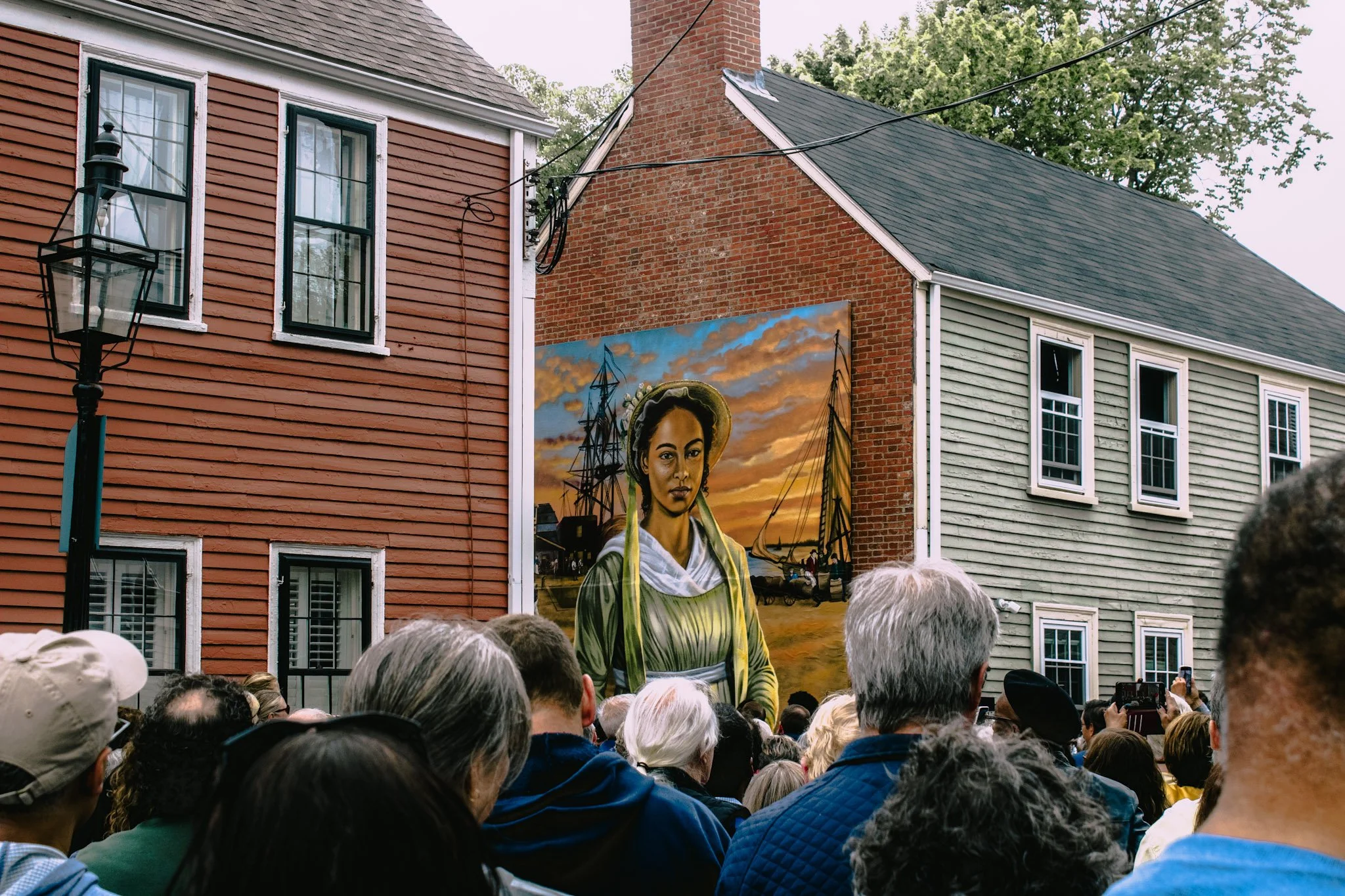
Photo of the Ona Judge Mural Unveiling event. Mural by Manny Ramirez, Positive Street Art. Photos by MaryGrace Benjamin.
This year marked the 250th anniversary of the signing of the Declaration of Independence. Fireworks have come and gone as many across the United States celebrated July 4th, but a question remains: Whose stories are part of America's story, and whose are left out?
Across the country, diversity initiatives have been dismantled, books have been removed from classrooms and libraries, and debates have intensified over which version of our history should be taught or shared. Even Juneteenth has faced efforts to diminish its public recognition.
For many historians, educators, and advocates, the concern is not simply about preserving the past. It is about ensuring that all Americans know the full story—both its triumphs and its failures—rather than a version that omits the parts that make us uncomfortable.
“Making the Story Larger Than Life”
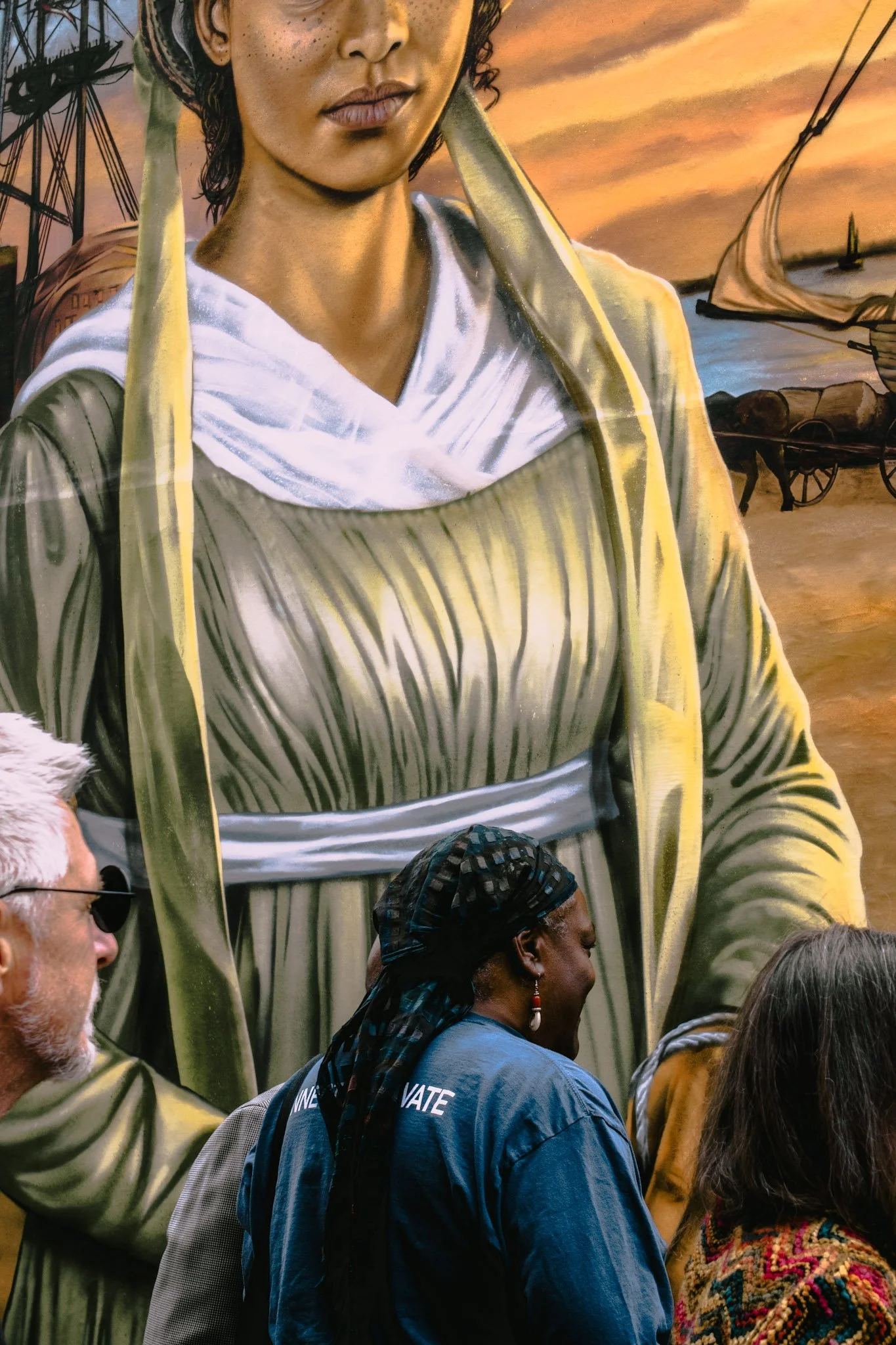
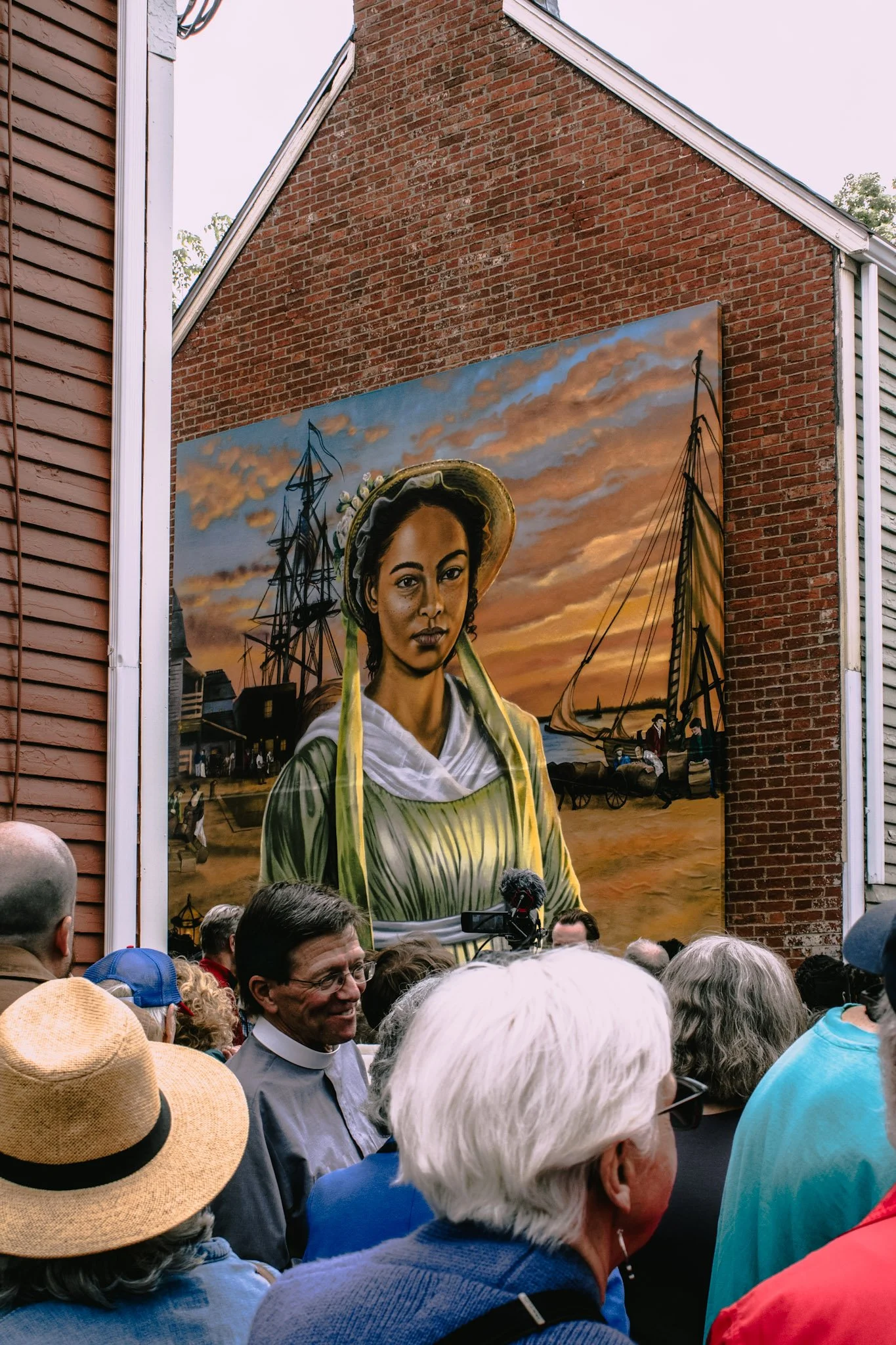
This is the ethos of the Black Heritage Trail of New Hampshire. Just days before Juneteenth, the organization unveiled a new mural honoring Ona Judge, the woman who escaped enslavement by President George Washington and made her way to Portsmouth, NH in pursuit of freedom. Painted by Positive Street Art artist Manny Ramirez, the mural transformed Judge into a public figure whose role in America’s founding narrative can no longer be overlooked.
For Black Heritage Trail Executive Director JerriAnne Boggis, that visibility is intentional. "While others are trying to erase Black history or rewrite it in favor of a whitewashed narrative, here in New Hampshire, we are making the story larger than life," Boggis said.
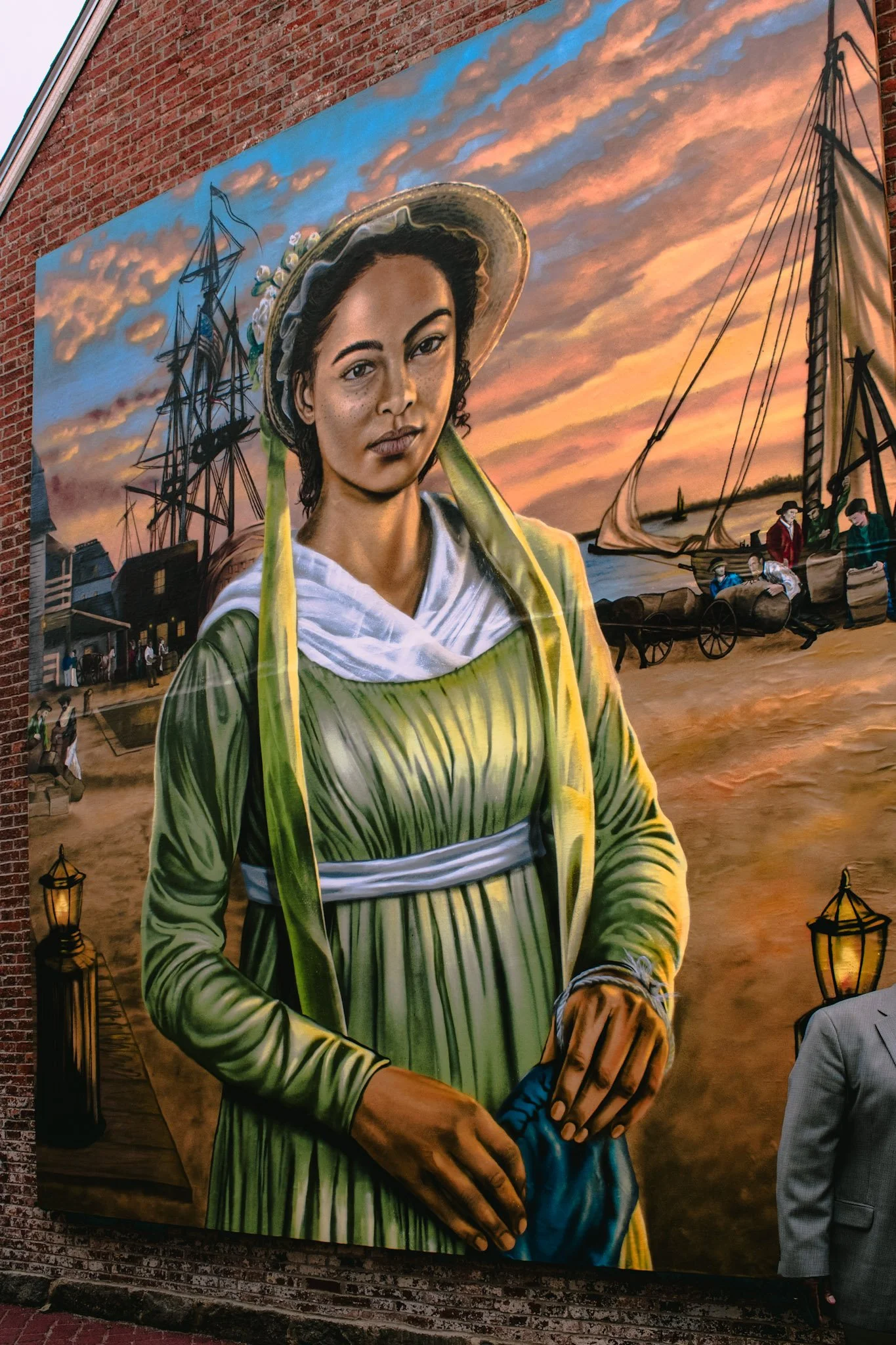
The Ona Judge Mural by Manny Ramirez, Positive Street Art. Photos by MaryGrace Benjamin.
“While others are trying to erase Black history or rewrite it in favor of a whitewashed narrative, here in New Hampshire, we are making the story larger than life.”
After escaping slavery while serving George and Martha Washington, Ona Judge fled to Portsmouth where she built a life despite repeated attempts by the United States’ first President to reclaim her as property. For Boggis, Ona Judge represents many of the qualities Americans claim to admire, though she’s rarely the chosen example.
"If we look at what we say America represents, Ona's story is the total embodiment of that. She was willing to leave everything she knew in pursuit of freedom," Boggis said. "That's the courage and independent spirit we celebrate."
“If we look at what we say America represents, Ona’s story is the total embodiment of that. She was willing to leave everything she knew in pursuit of freedom. That’s the courage and independent spirit we celebrate.”
Yet Judge's story also exposes the limits of those founding ideals. She struggled to find work and lived much of her life in poverty. "It’s what happens when we're not equal, when we're not just,” said Boggis. “Freedom did not erase the barriers created by racism.”
“Freedom did not erase the barriers created by racism.”
Patriotism Requires the Whole Story
In the wake of the 250th, Boggis believes the country has an opportunity to reflect. "I'm always very ambivalent about honoring this holiday because it leaves out so much," she said. "It is the 250th anniversary of the signing of the Declaration of Independence," she explained. "It's not the founding of America."
“I’m always very ambivalent about honoring this holiday because it leaves out so much. It is the 250th anniversary of the signing of the Declaration of Independence. It’s not the founding of America.”
That distinction matters because the land was already home to hundreds of Indigenous nations, and because many of the ideals proclaimed in 1776 were denied to native people, enslaved people, women, and many others excluded from the nation's promise. Rather than avoiding those contradictions, Boggis argued that confronting them is itself patriotic.
"If you read the Declaration of Independence," she said, "the values that people are fighting for today are the very values the founders were fighting for then." For Boggis, America's founding ideals can only be strengthened by historical honesty. "We can celebrate those values," she said. "But if we can’t critique where they fell short, we have no chance of improving."
The commitment to telling the full story has taken on new urgency as debates over how America's history should be taught have intensified. Across the country, efforts to restrict discussions of race have raised concerns. In New Hampshire, proposals such as the divisive concepts law and legislation in the most recent session have similarly fueled debates over what belongs in classrooms and whose histories deserve to be told.
“If you read the Declaration of Independence, the values that people are fighting for today are the very values the founders were fighting for then. We can celebrate those values, but if we can’t critique where they fell short, we have no chance of improving.”
The Costs of Erasure
For Boggis, these debates are about far more than curriculum and carry consequences beyond historical ignorance. "When people of color don't know stories like Ona’s," she said, "we run the danger of buying into a narrative that's been told about us."
Without stories of resilience, innovation, and leadership, generations of young people lose role models who expand their sense of what is possible. "We need those people, those mentors, those images, those narratives for ourselves," Boggis said. Those stories also challenge stereotypes for everyone else.
“When people of color don’t know stories like Ona’s, we run the danger of buying into a narrative that’s been told about us . . . We need those people, those mentors, those images, those narratives for ourselves.”
And she identifies a familiar pattern throughout history. "Any group that wants to dominate another group first takes away their stories," she said. "They take away their books. They take away their narratives."
When communities lose access to their own stories, they are left with narratives created by others, which can reinforce stereotypes, diminish achievements, and make inequality appear inevitable rather than constructed. "When people know their story," Boggis said, "they are empowered."
“Any group that wants to dominate another group first takes away their stories. They take away their books. They take away their narratives . . . When people know their story, they are empowered. ”
Making Black History Visible
As public debates continue over what belongs in classrooms, museums, and civic commemorations, initiatives like the Black Heritage Trail offer a different response: not rewriting history, but expanding it to include the people and perspectives that have too often been left out.
The Ona Judge mural is the first installation in the organization’s "Five to Know" initiative, which seeks to familiarize New Hampshire residents with influential Black historical figures whose contributions shaped both state and national history.
Those figures include Harriet Wilson, the first Black woman to publish a novel in the United States; Wentworth Cheswell, one of the nation's first Black elected officials; Richard Potter, America's first Black celebrity entertainer; and Prince Whipple, who signed New Hampshire's 1779 Petition for Freedom.
"Our goal is for at least a third of New Hampshire's population to know these figures," Boggis said. "If people are exposed to this history and understand the role these individuals played on a national level, we have a chance to create a more inclusive representation of our state's history."
“Our goal is for at least a third of New Hampshire’s population to know these figures. If people are exposed to this history and understand the role these individuals played on a national level, we have a chance to create a more inclusive representation of our state’s history.”
About JerriAnne Boggis

JerriAnne Boggis
JerriAnne Boggis is the executive director of the Black Heritage Trail of New Hampshire, the founder and director of The Harriet Wilson Project, and the previous director of diversity programs and community outreach at the University of New Hampshire.
Boggis was named one of 25 Extraordinary Women of Southern New Hampshire by the Nashua Telegraph in 2015; named the 2017 Freedom Fighter by Seacoast NAACP; and in 2015, she was named one of the 40 most influential New Hampshirites by New Hampshire Humanities.
Boggis also served on the advisory board of the New Hampshire chapter of the U.S. Civil Rights Commission, the University of New Hampshire’s Commission on the Status of People of Color and most recently, the New Hampshire Charitable Foundation.