2026 Annual Meeting: Changing the Narrative for Progress
Exploring the Power of Storytelling & Collective Action
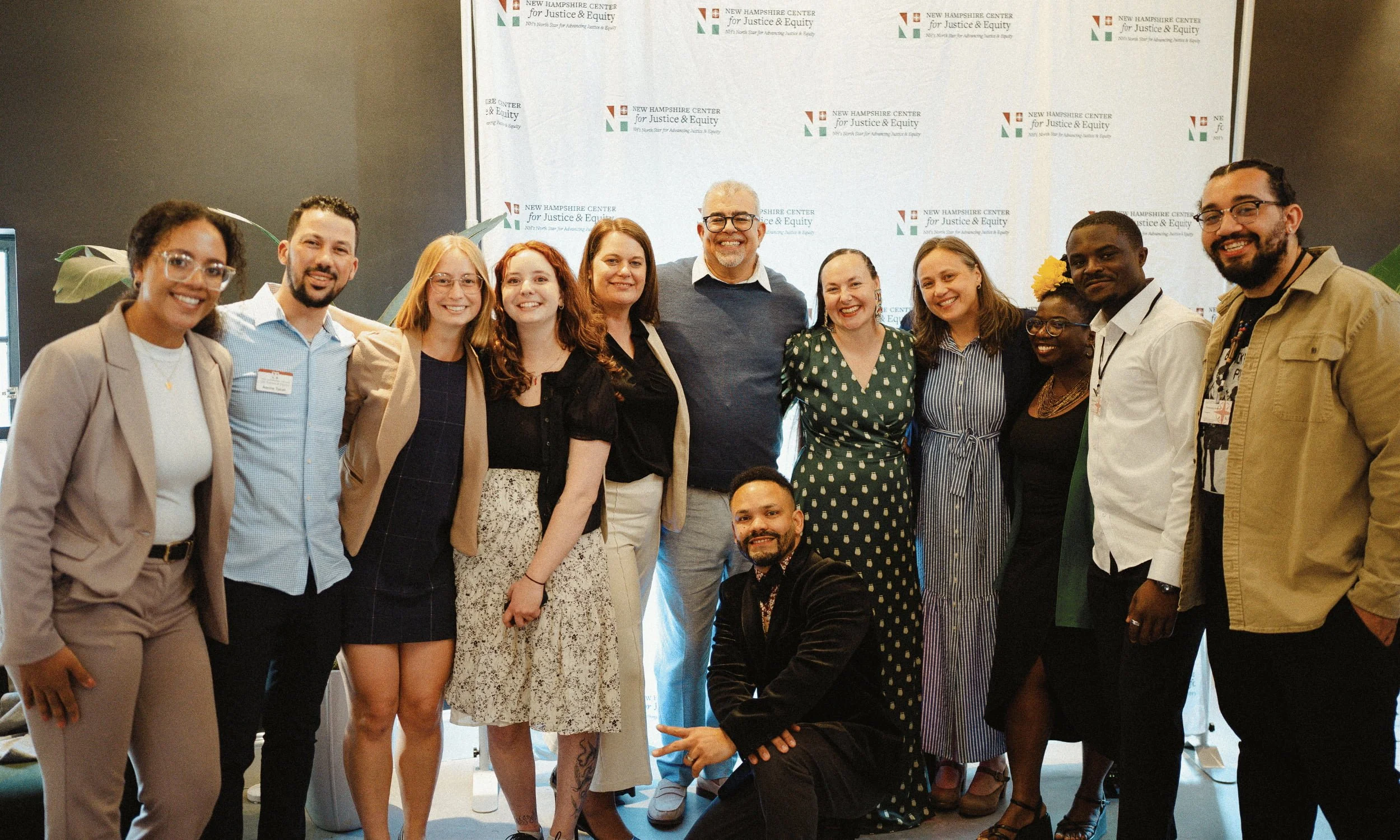
Catherine Kabala - NHCJE, Amine Tabet - NHCJE, Catherine Benjamin - community member, MaryGrace Benjamin - NHCJE, Samantha Marshall - AHEAD, Anthony Poore - NHCJE , Manuel Ramirez - Positive Street Art, Cinnamon Kills First, Jo Porter - NHCJE, Grace Kindeke - NHCJE, Divine Nkwelle - AFSC-NH, Chris Roberge - NHCJE.
For millennia, humans have used storytelling to pass important information from generation to generation. Storytelling is a vital aspect of culture, serving to maintain the norms of social order by those empowered to define it, both in actions and in language. This relationship is subtle, but also pervasive.
But what if you could break through the historical and political clutter and use storytelling to redefine what it means to be an active member of society? On May 12, 2026, more than 200 attendees gathered at The Hawthorn in Portsmouth for the annual meeting of the New Hampshire Center for Justice & Equity (NHCJE) to discuss today’s social and political realities. Their goal was, and is, to change the existing narrative in order to create change and establish a more vibrant, flourishing, just, and equitable New Hampshire.
The theme of this year’s annual meeting was: What the Water Remembers: The Collective Power of Storytelling.
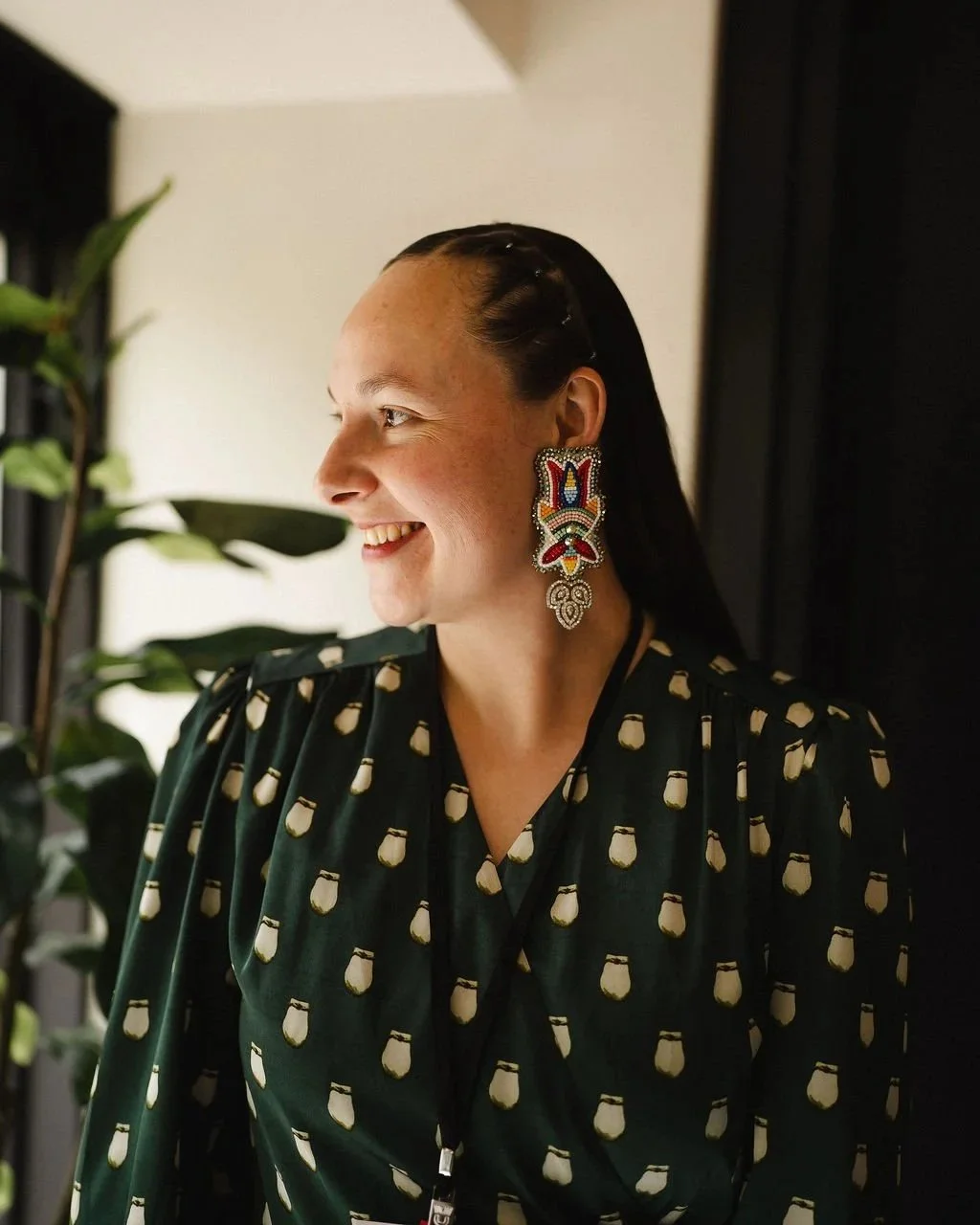
Cinnamon Kills First
Cinnamon Kills First, a Northern Cheyenne guest living in Chinook territory, served as the meeting’s featured speaker. Cinnamon is a published author, documentarian, and traditional bead worker. Dr. Jamaal Downey, a former colleague with Cinnamon at Dartmouth and NHCJE founding board member, began the event with a story about how Cinnamon changed his outlook on life by reminding him that on a cloudy, rainy day, not to interpret the downpour as a bad thing because “rain is life.” This grounded the discussions in the idea that a shift in perspective can change the stories we tell ourselves and each other. With that, Cinnamon opened the meeting with a sacred prayer and chant, called the Ate Song, to honor our ancestors.
Mind and Water
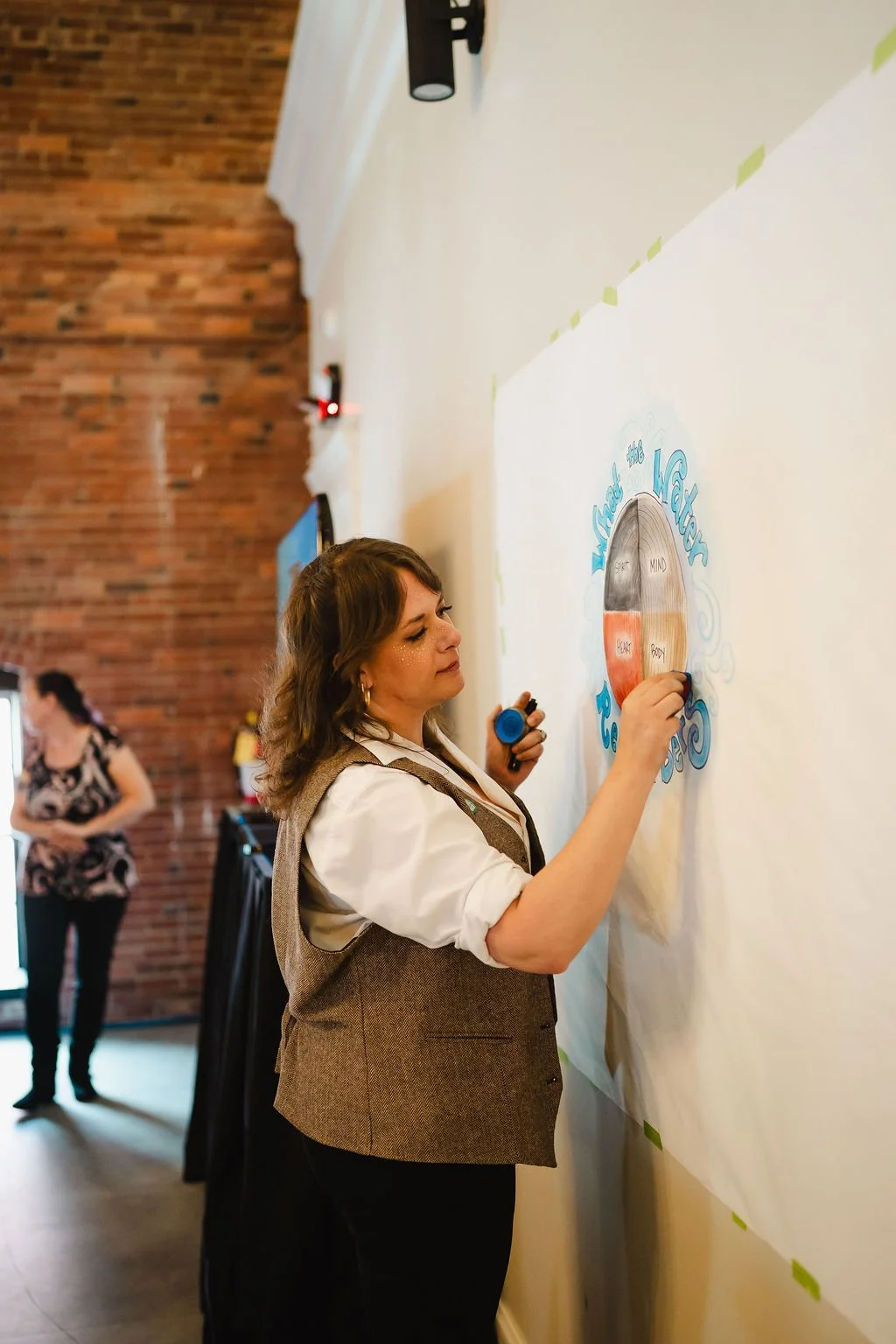
Cinnamon offered a unique, embodied experience rooted in indigenous Cheyenne teachings. The medicine wheel provided the framework for the meeting, addressing the mind, body, heart, and spirit. Simultaneously, it offered a structure for how we can use our own body signals, including posture, tension, and breath, to reorient ourselves and reclaim our unique stories and personal perspectives.
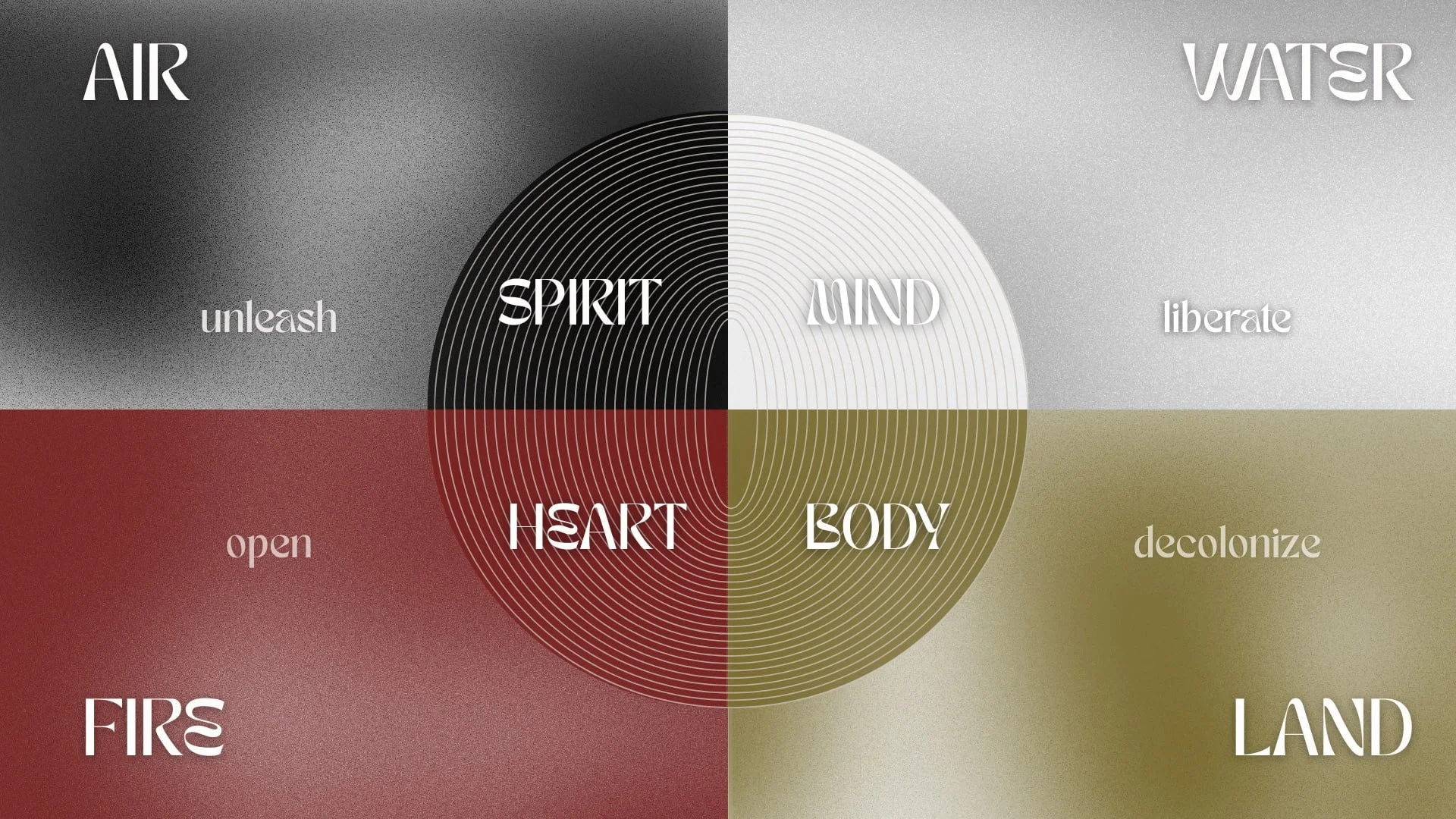
The Medicine Wheel.
She shared that while the United States is about to celebrate 250 years of existence, Native American people have been on this land for tens of thousands of years, reminding us that storytelling has the power to reshape narratives as defined by those in power.
Cinnamon introduced Grace Kindeke, NHCJE Director of Projects, who remarked on how storytelling provided her with cultural roots as a child. She reminded the audience that “…all of us are storytellers in our own right” while remarking that stories can be told via dance, song, and more, and are both a collective and connective process.
“I am because you are—because we are and there’s nothing you cannot do if we do it together. So I thank you all for being here, for taking the time to spend this time with us, to hear these stories and to contribute your own.”
NHCJE Board Chair Claire Holston echoed Cinnamon’s invitation to the ancestors by including her own, evoking remembrance of their struggles and preparing us for the new struggles we face to break down existing narratives. “As a Black American woman, I understand deeply that many of us stand here today because others endured, resisted, dreamed, organized, prayed, marched, sacrificed, and survived so that we could have the opportunity to gather in spaces like this,” said Holston. “So, I call into this space all ancestors known and unknown, those whose names were recorded, those names who are erased, those who spoke loudly, and those who have no safe place to speak at all. May we honor their legacy, not only with remembrance, but with action.” She reminded attendees that the movement is as much about the stories and voices we don’t hear as it is those that are obvious.
Anthony Poore, NHCJE President & CEO, thanked the many sponsors of the event and those who go above and beyond for the organization. He announced the launch of the new Community Advisory Board. This important group will help NHCJE stay close to the issues facing people across the state and includes nine members across six regions of New Hampshire. Poore thanked the Board of Directors and his colleagues.
“They are a group of dedicated, hardworking, caring human beings who not only buttress me during this season of uncertainty, but honor me with their friendship and trust,” said Poore. “I’m eternally grateful and humbled to be your colleague and your ally in this work.” He concluded by reminding everyone that despite today’s political climate, both state and federal, we must be steadfast, courageous, and diligent in the movement to create a more just and equitable New Hampshire.
“As a Black American woman, I understand deeply that many of us stand here today because others endured, resisted, dreamed, organized, prayed, marched, sacrificed, and survived so that we could have the opportunity to gather in spaces like this. So, I call into this space all ancestors known and unknown, those whose names were recorded, those names who are erased, those who spoke loudly, and those who have no safe place to speak at all. May we honor their legacy, not only with remembrance, but with action.”
Body and Land
After a short break, the second quadrant of the discussion began with a breathing exercise to help attendees more consciously connect with themselves and their environment. In a second exercise, Cinnamon asked attendees to place a hand on their heart and carefully consider their feelings, and especially their physical responses as she repeatedly and loudly said, “NO!” After a moment for personal evaluation, she did the same thing, but using the word, “YES!” and asked attendees to consider the differences in what they felt. Cinnamon then introduced the three-member dance ensemble, NSquared, who performed an energetic and emotional piece for this event.
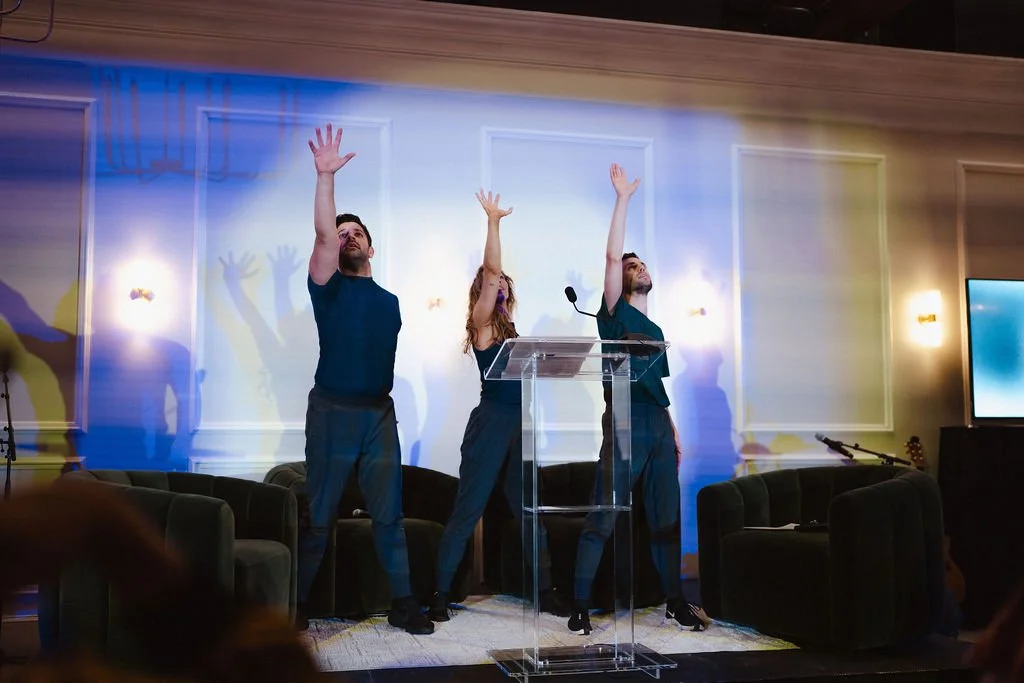
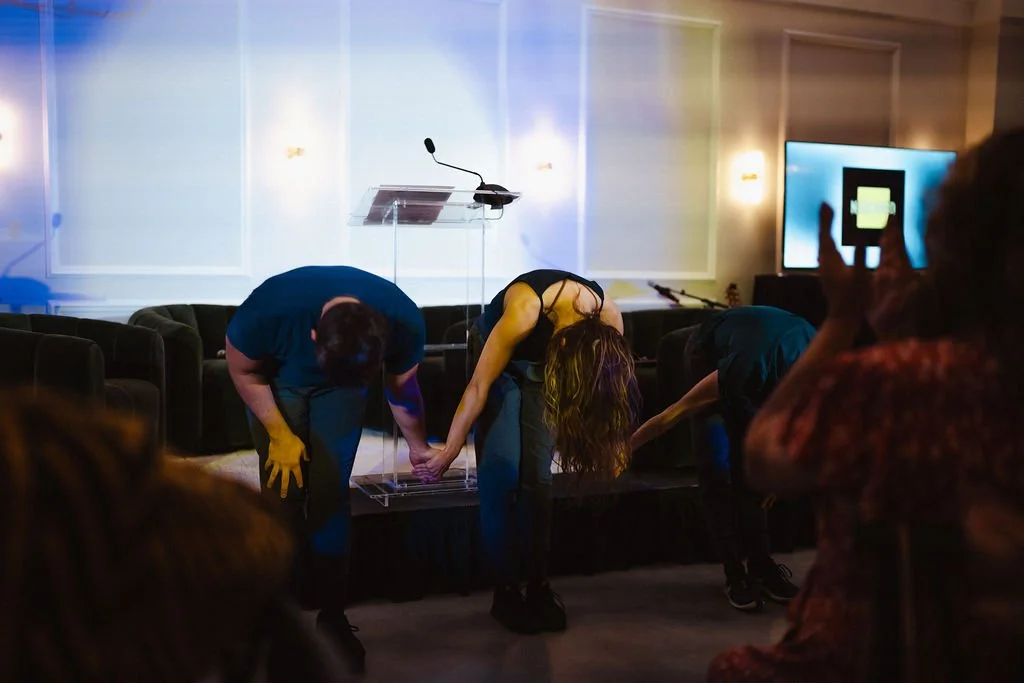
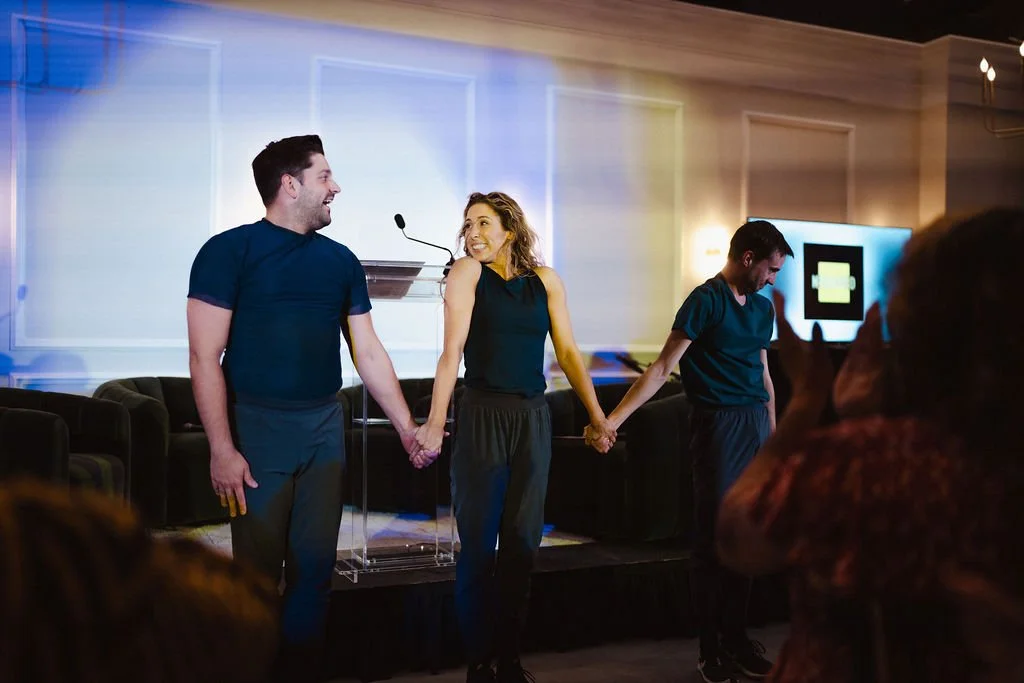
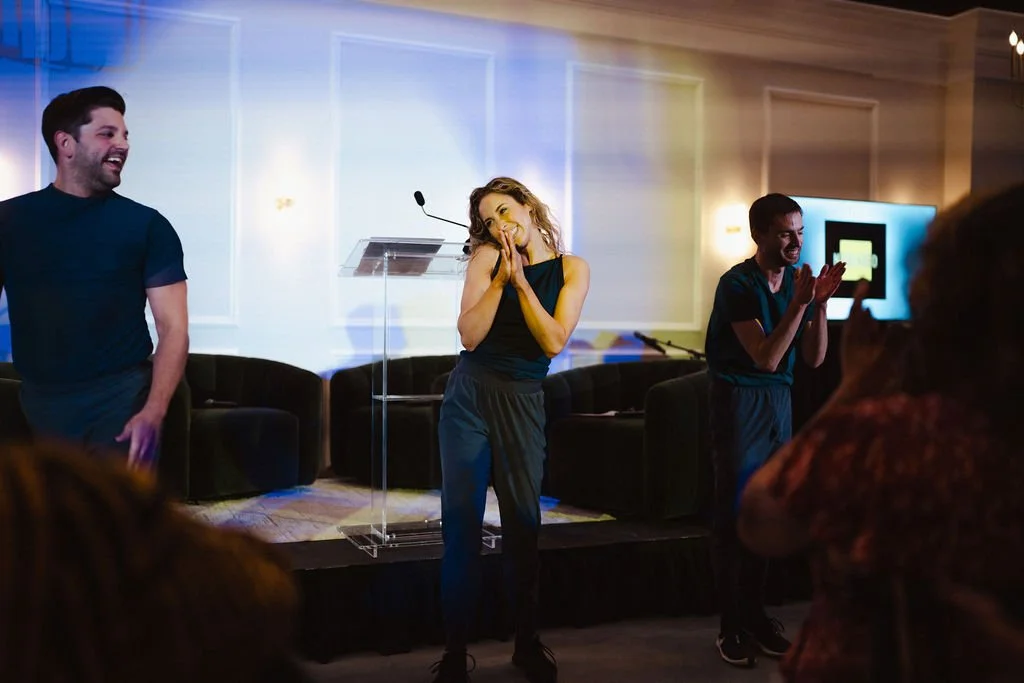
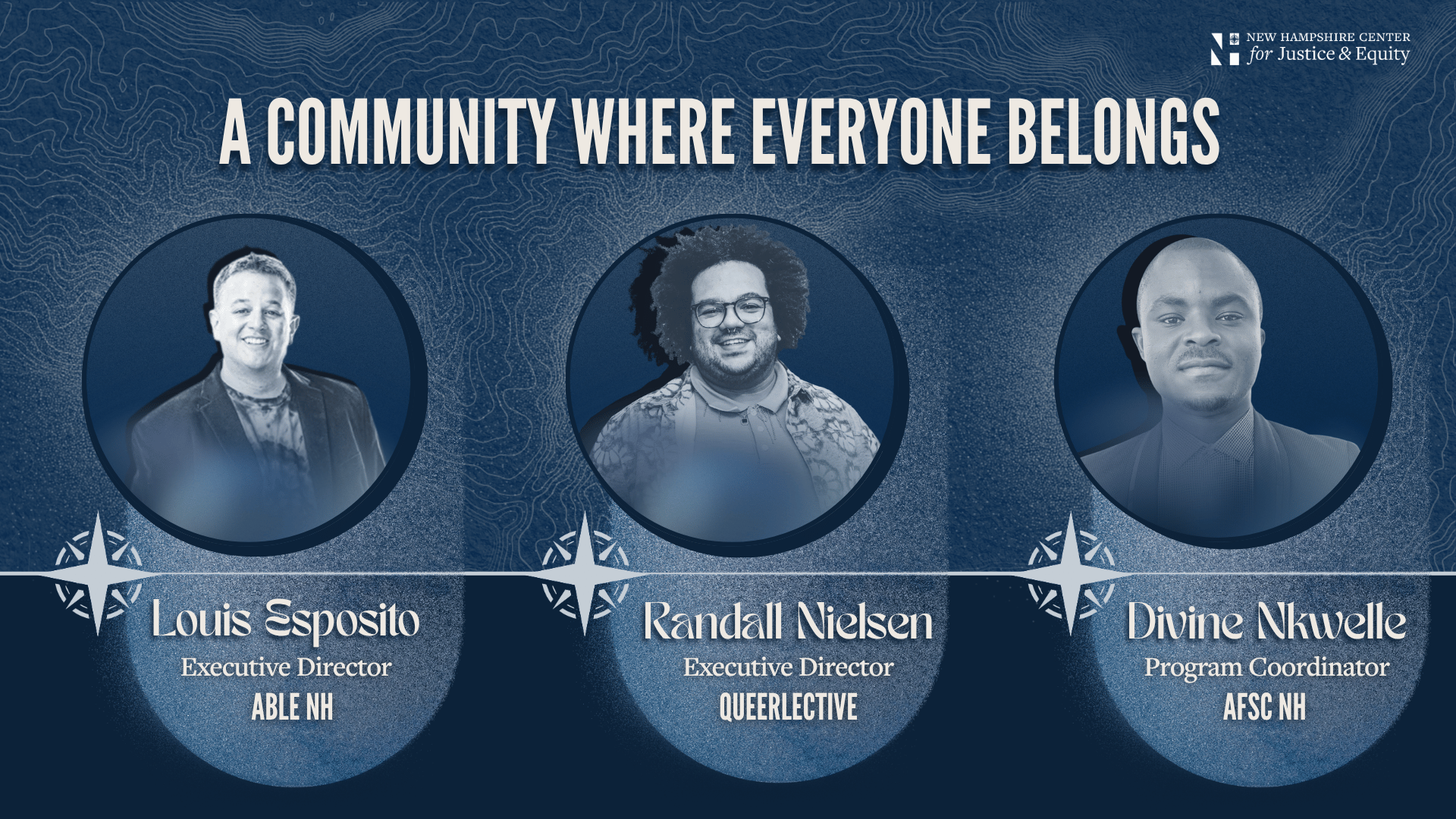
The first of two panel discussions, A Community Where Everyone Belongs, brought together a diverse group of advocates: Louis Esposito of ABLE NH (disability rights), Divine Nkwelle of American Friends Service Committee NH Program (immigrant rights), and Randall Nielsen of Queerlective (queer BIPOC arts)—to explore the concept of “belonging” as a collective investment in infrastructure and authenticity. The speakers challenged the idea that belonging is something people must develop individually, instead reminding us that we need systems in place that allow individuals to exist as their most authentic selves without fear or physical barriers. From fighting the segregation of students with disabilities and the current attacks on the LGBTQ+ community, to navigating the complexities of immigration status and mental health, the panelists emphasized that true community requires moving beyond “charity” or “inspiration” toward a framework that protects our civil rights and centers our shared humanity.
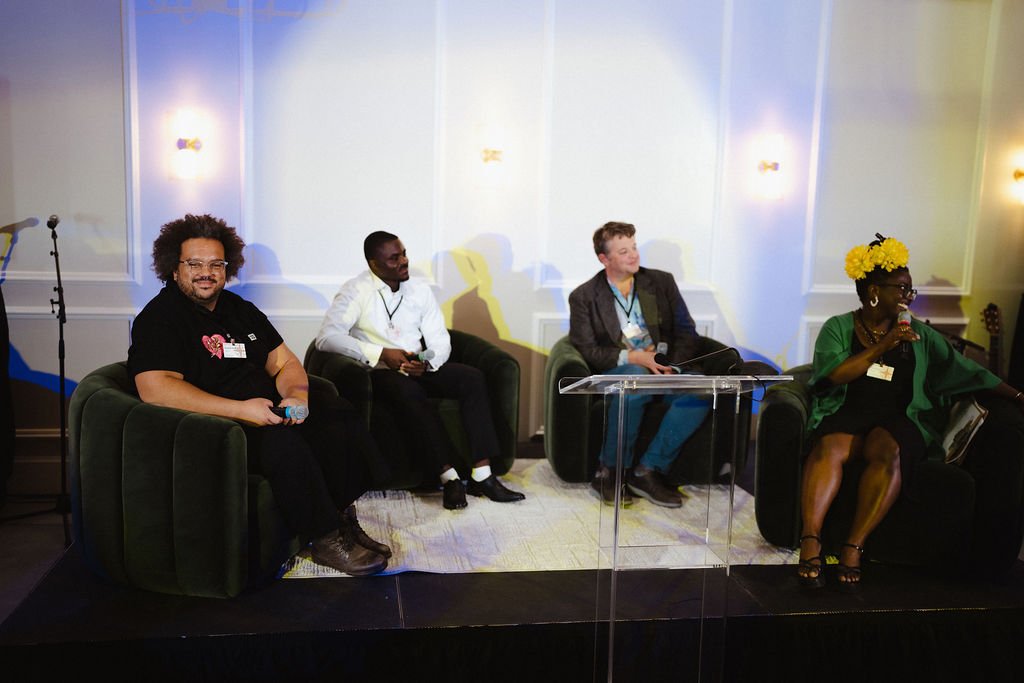
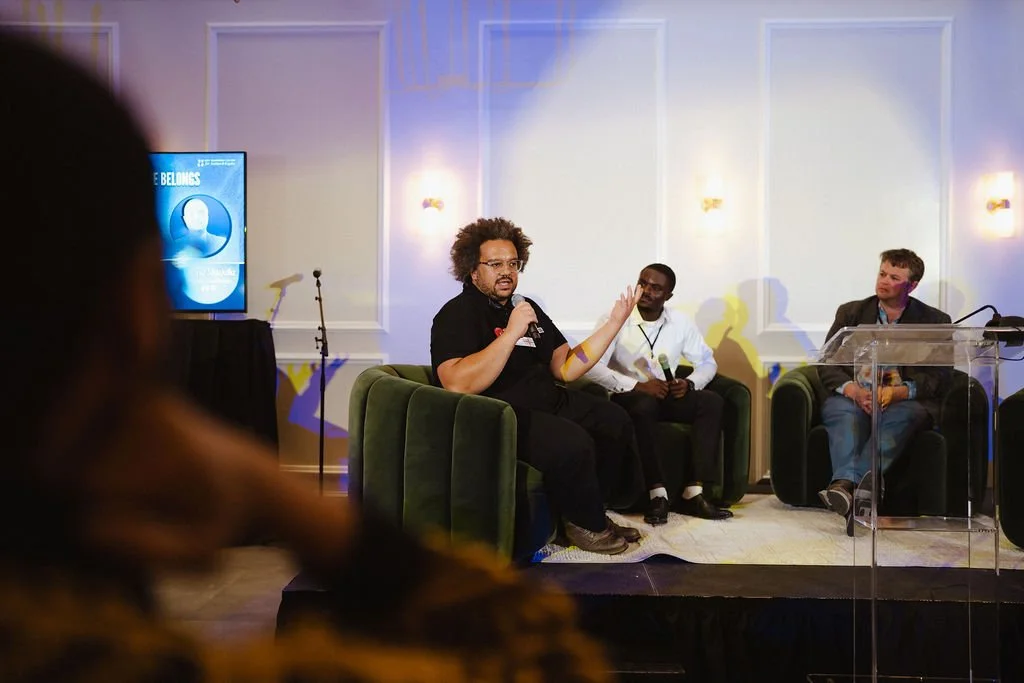
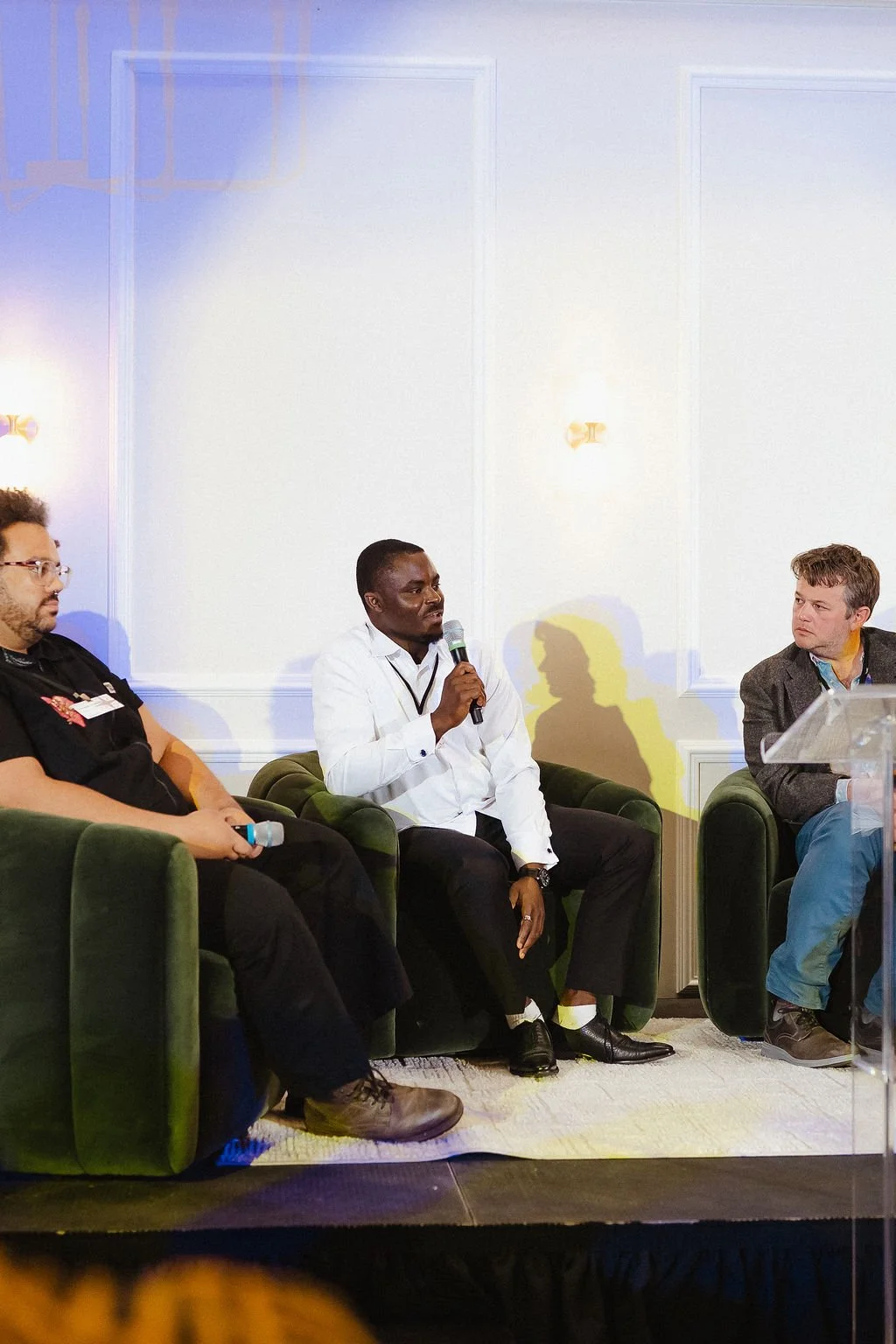
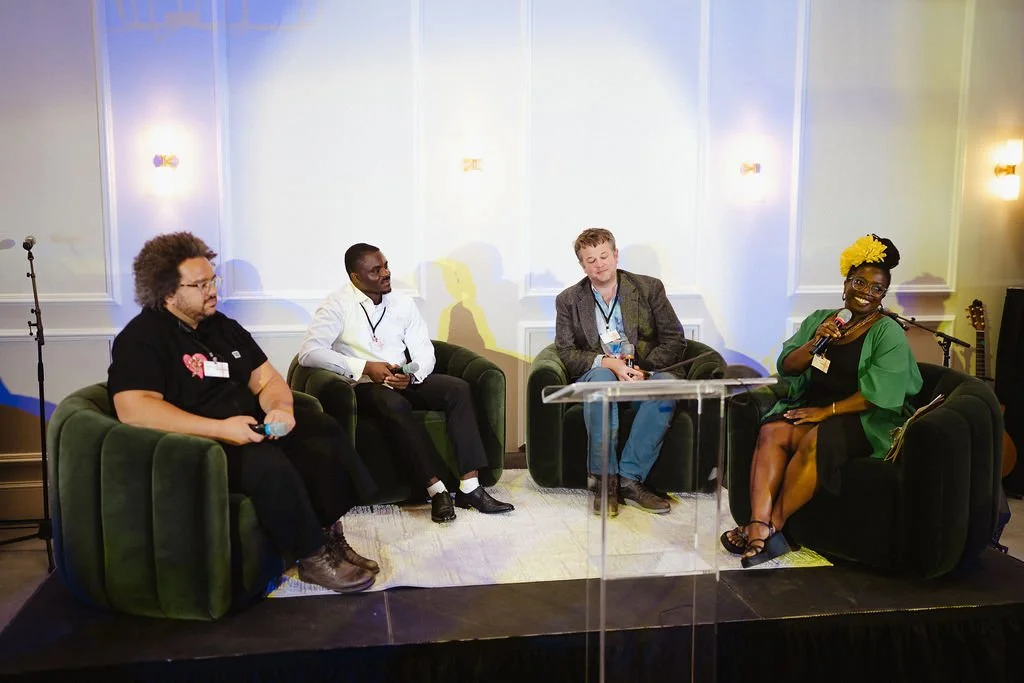
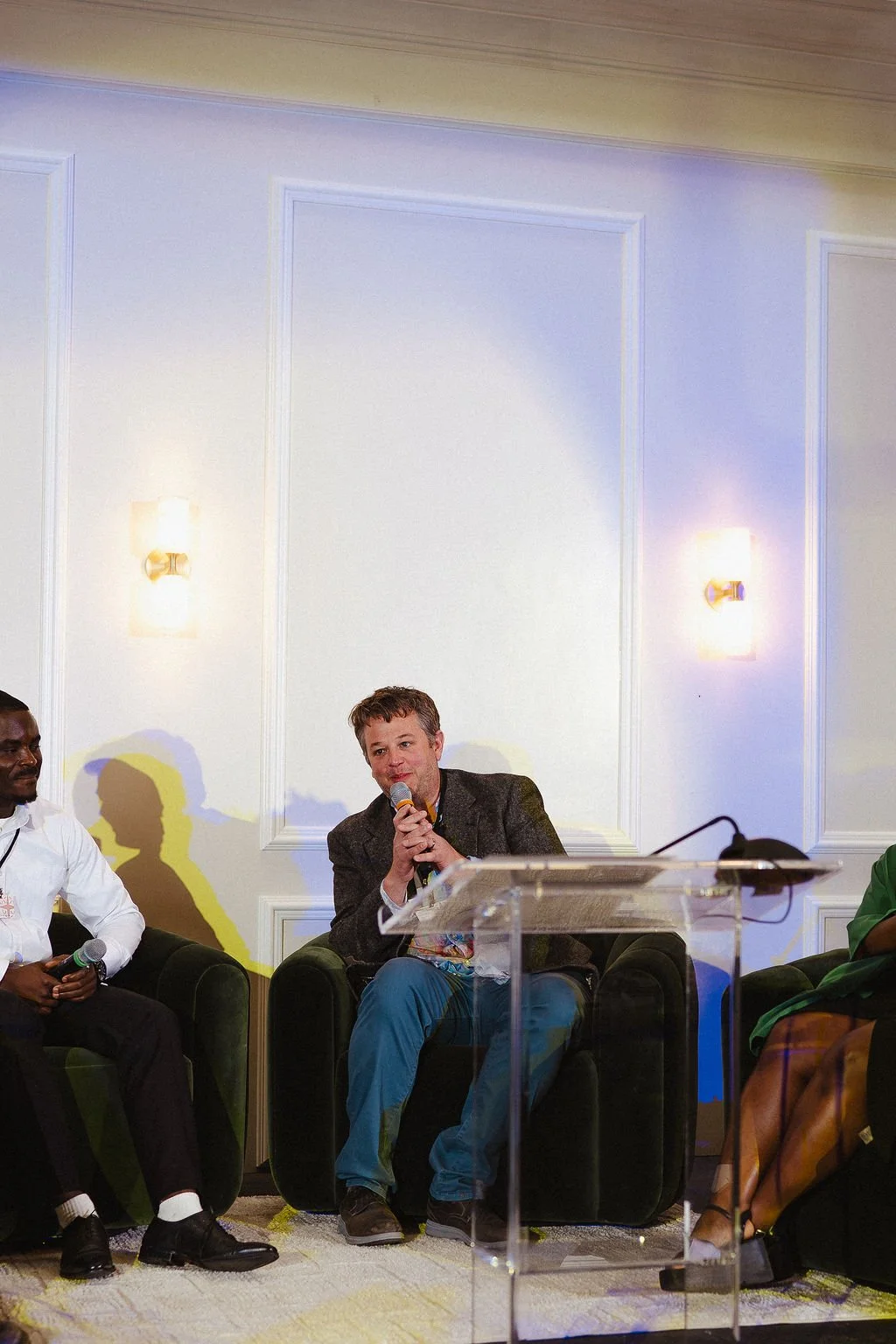
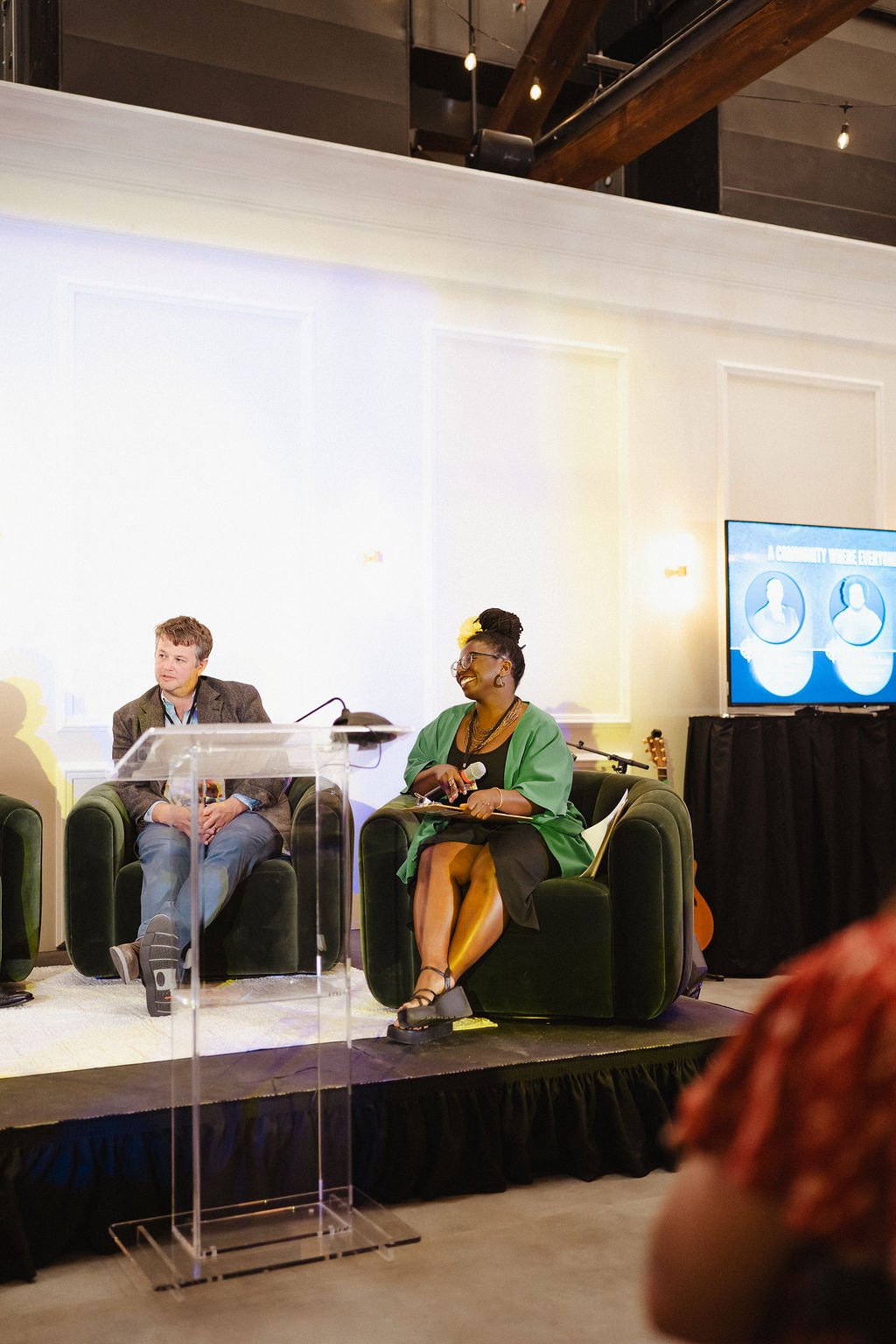
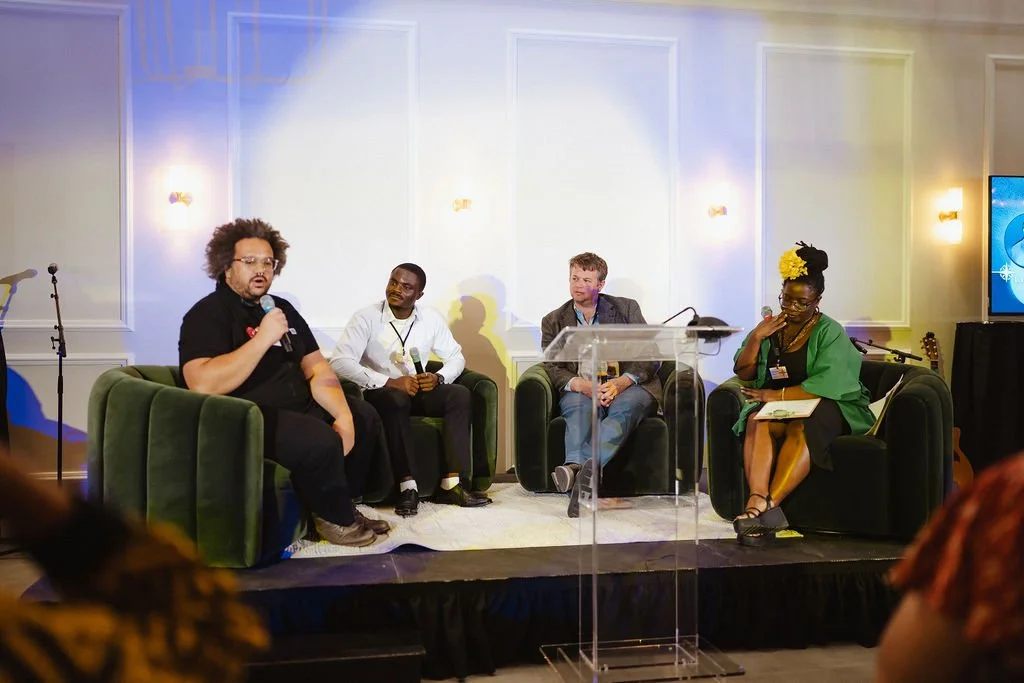
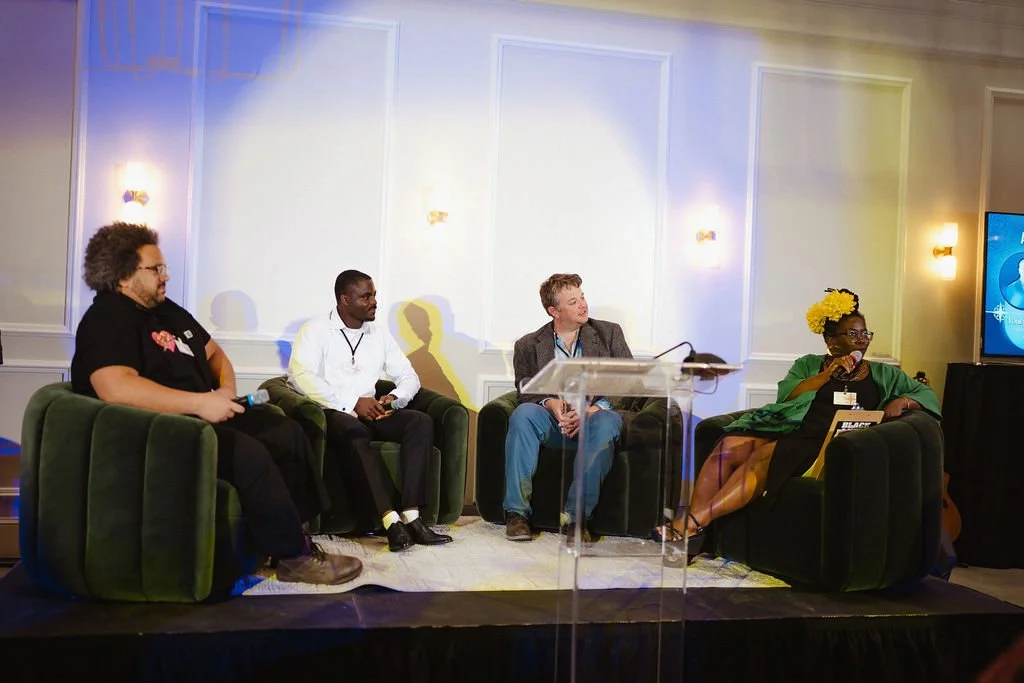
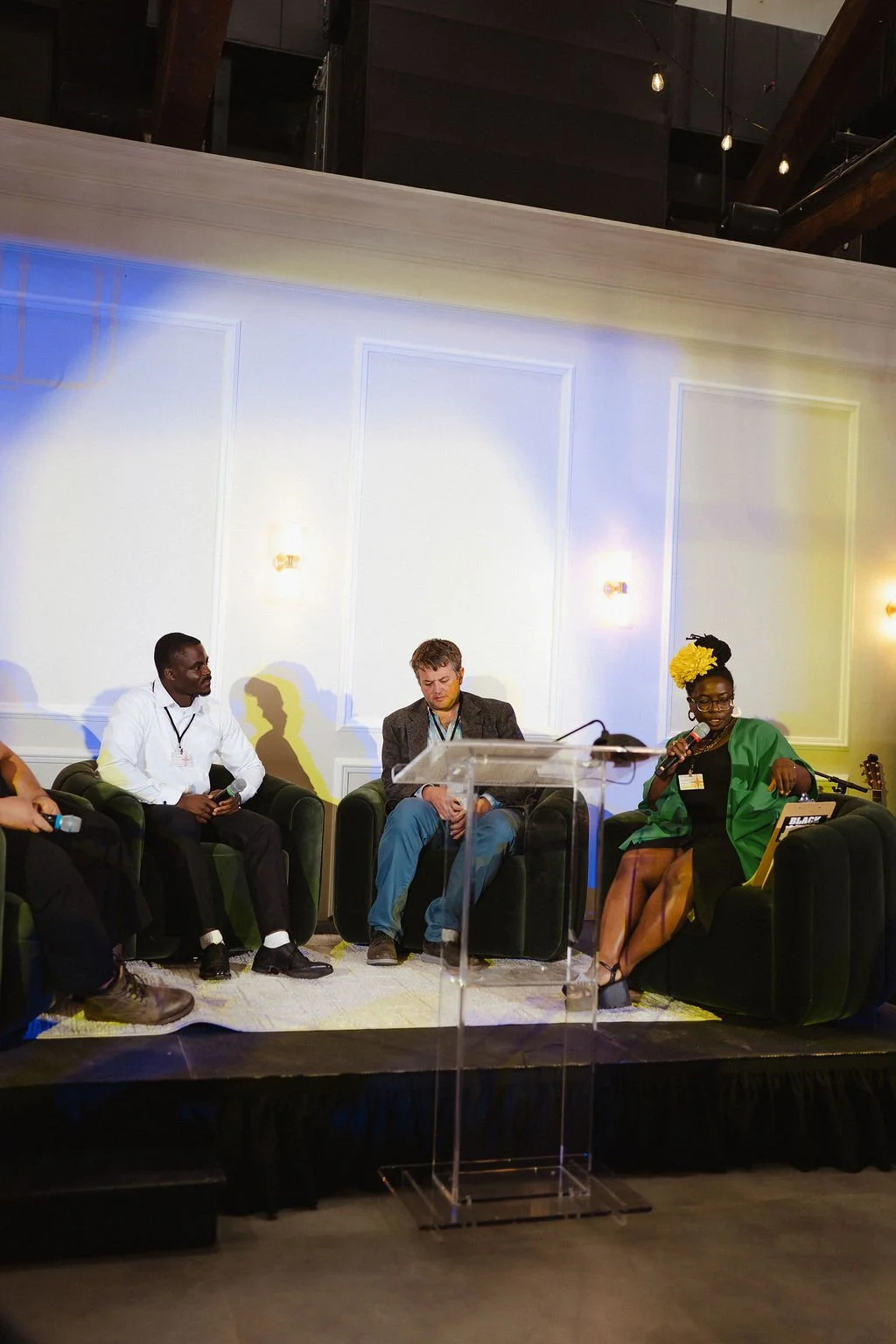
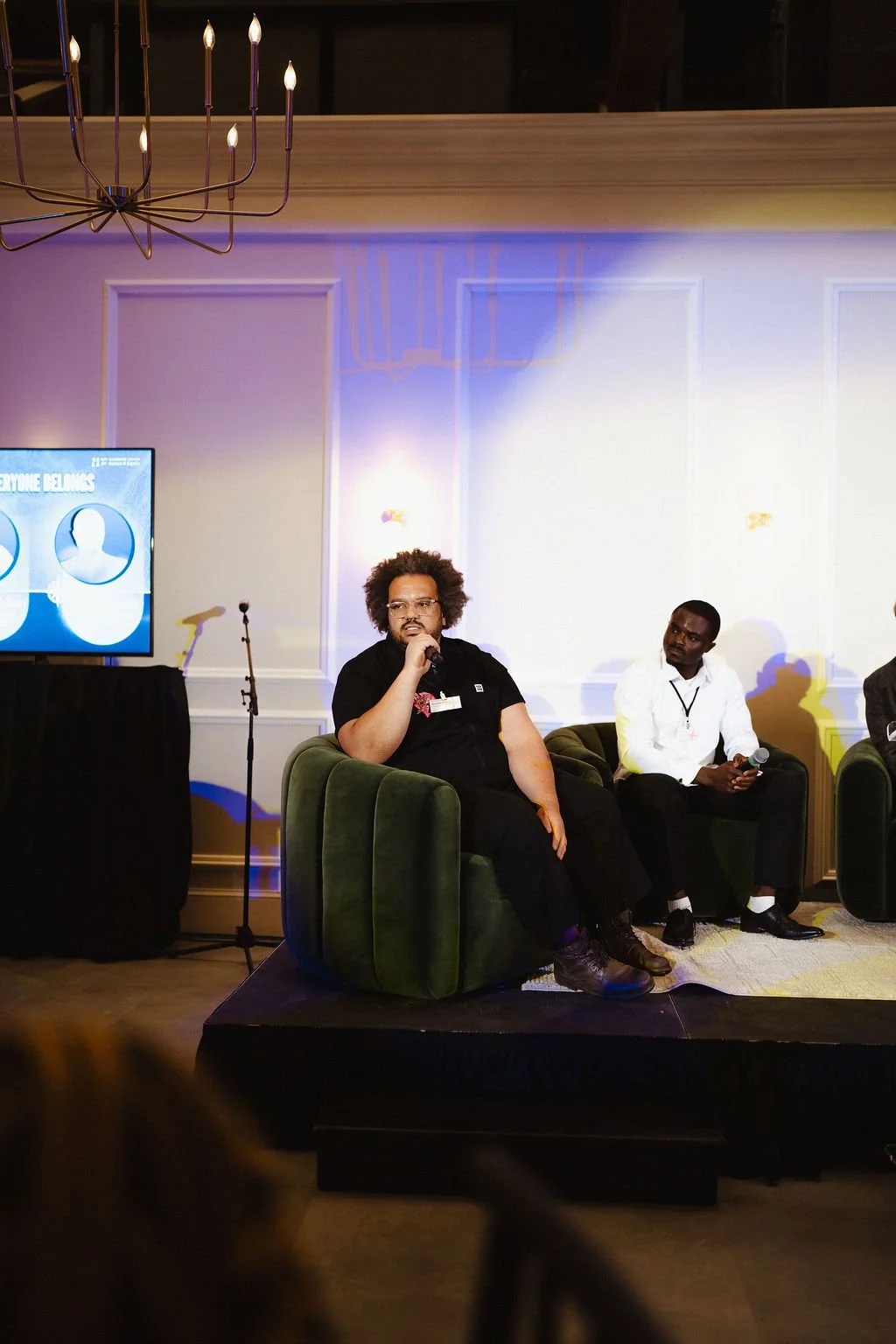
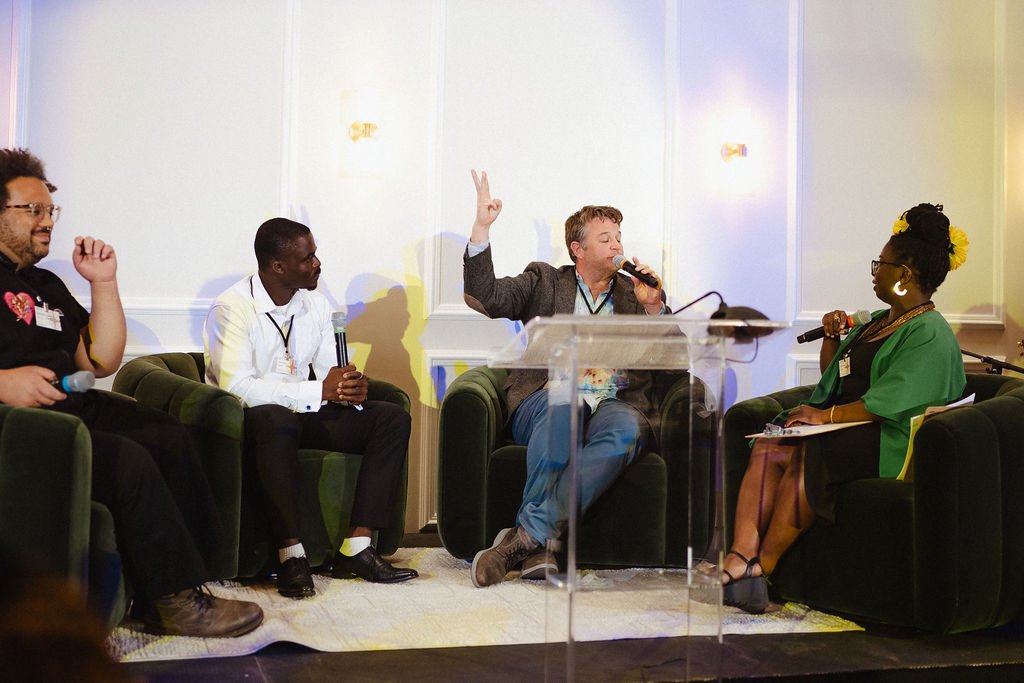
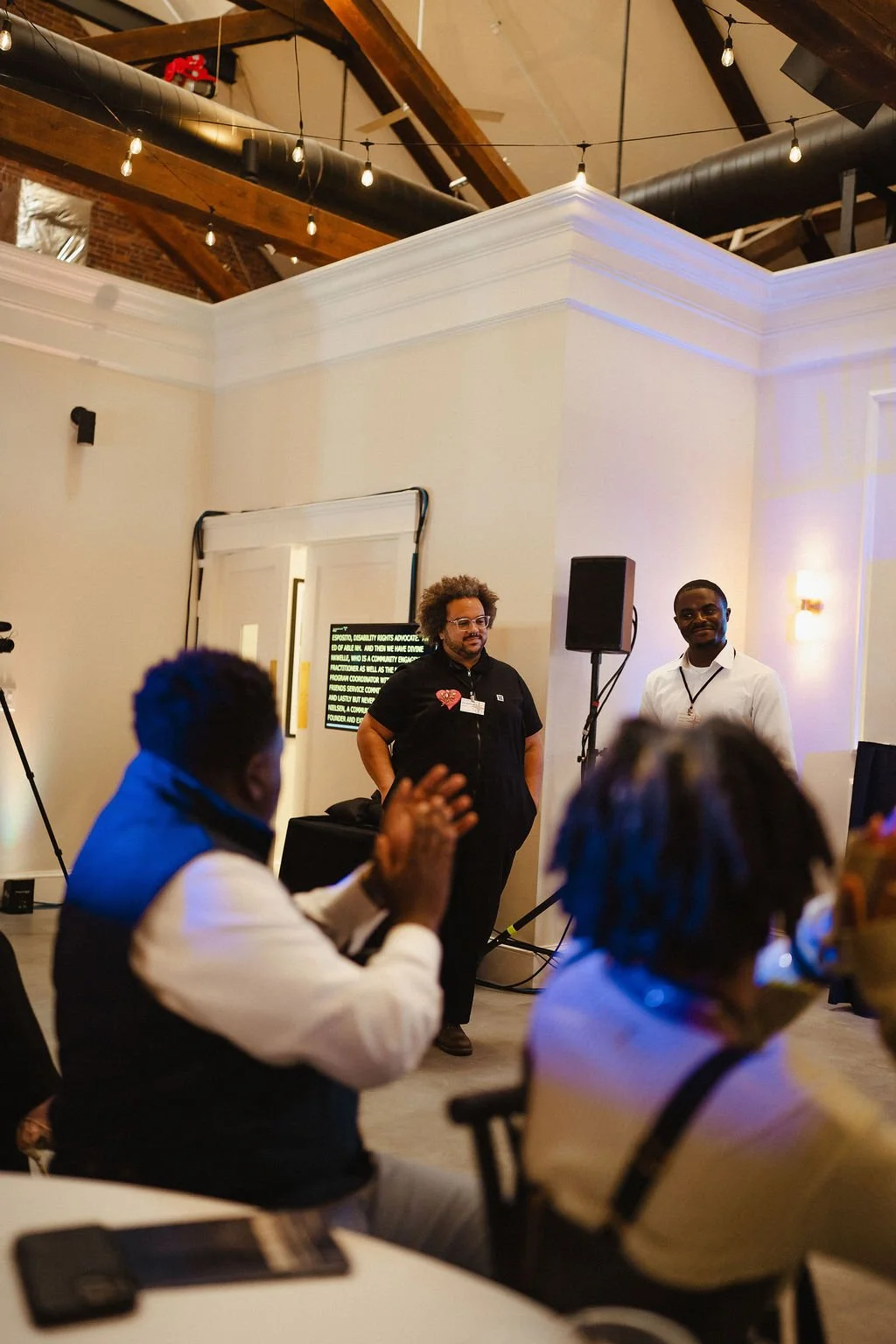
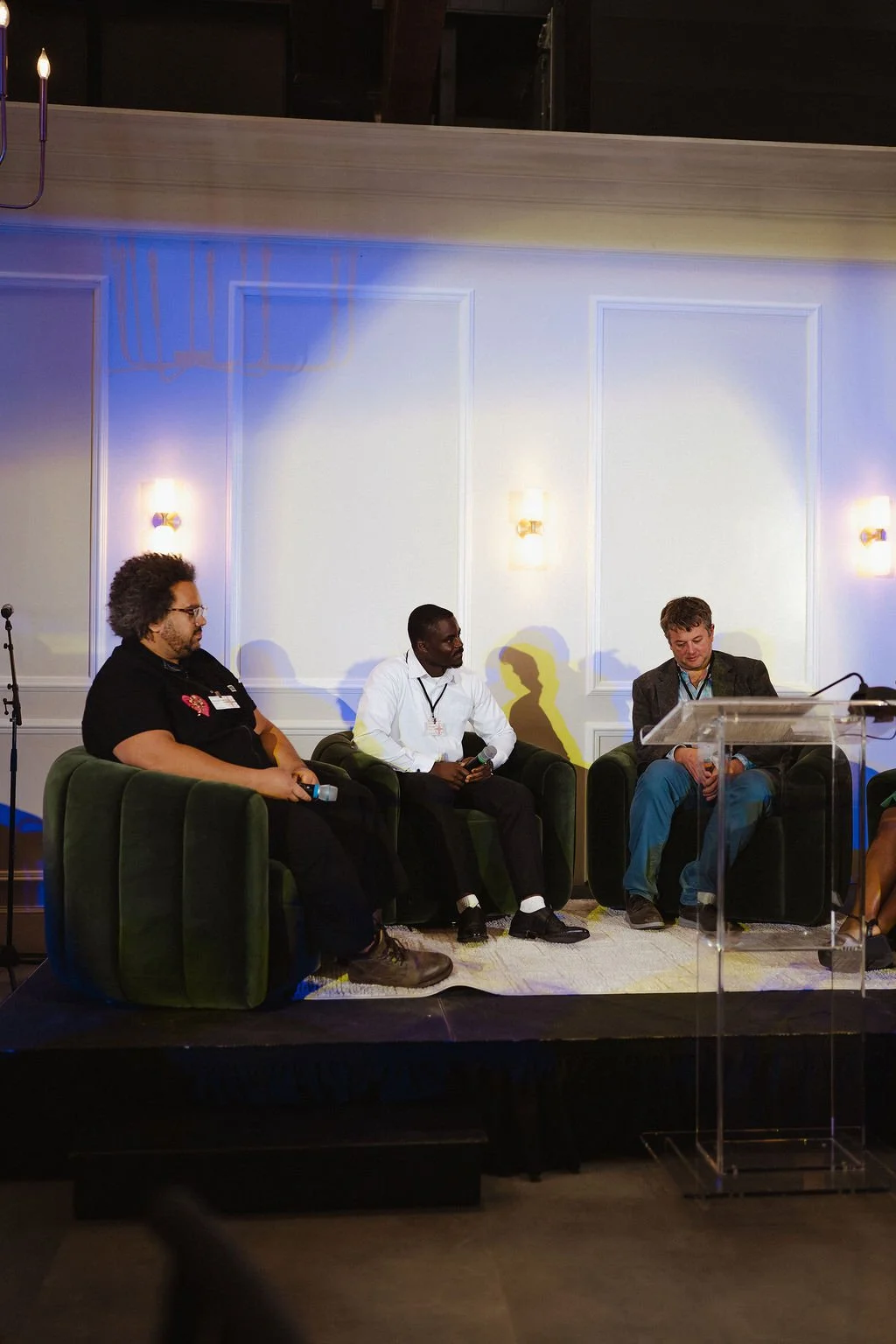
Central to the conversation was the power of storytelling as a tool for hope and resistance. The panelists discussed how reclaiming one’s narrative is essential to shifting power dynamics, particularly for marginalized groups whose stories are often twisted or ignored by those with power and authority. Whether through community-designed art and board games that illustrate social inequities, or the amplification of lived experiences to lawmakers at the State House, the discussion stressed that storytelling not only informs identity but also builds collective power. The session concluded with a call to action, urging the audience to move beyond internal dialogue and work toward a reality where belonging is an accessible, everyday experience for all people.
Jeff Fuhrer, author of The Myth that Made Us, and co-producer of a forthcoming documentary of the same name, argued that the dream of “pulling oneself up by their bootstraps” is a myth perpetuated by those who want it to appear that poverty is the fault of the poor, rather than a systemic issue. The bootstraps idea is a long-held, and powerfully compelling narrative that is rooted in American culture and taught to our children as historical fact. With support from NHCJE, the book is being made into a documentary, and Fuhrer shared the engaging trailer during the event.
Heart and Fire
To start the third quadrant of the medicine wheel, Cinnamon offered a re-centering exercise using deep breaths to help each attendee sequentially find the center of their mind, body, heart, and spiritual selves.
In keeping with the Heart and Fire theme, Mckendy Fils-Aimé, a New England-based Haitian American poet presented two poems, each of which provide a sense of what it feels like to be the other in a small New England town and simultaneously try to assimilate. Mckendy detailed the struggles navigating white spaces, racism, and generational trauma. He used the metaphor of misshaped fruit he received in the mail and how he and his partner ate it anyway, because he knew what it felt to be an outcast, not quite good enough.
In the second panel, A Community Where Everyone Thrives, Nancy Glynn (MomsRising NH), Ed Taylor (ACLU NH), and Nicole Heller (developmental psychologist) moved the conversation into action, including ways to build community power and increase local investment. In agreement with Jeff Fuhrer, the speakers emphasized that a thriving community is not built on individual bootstraps but through collective infrastructure that anticipates and meets diverse needs. These could include neurodivergent-friendly classrooms or paid family medical leave; helping individuals to avoid struggling for basic accommodations. By reframing marginalization as a systemic failure rather than an inherent personal trait, the panel highlighted that true thriving occurs when local systems are robust enough to support every person and their unique needs.
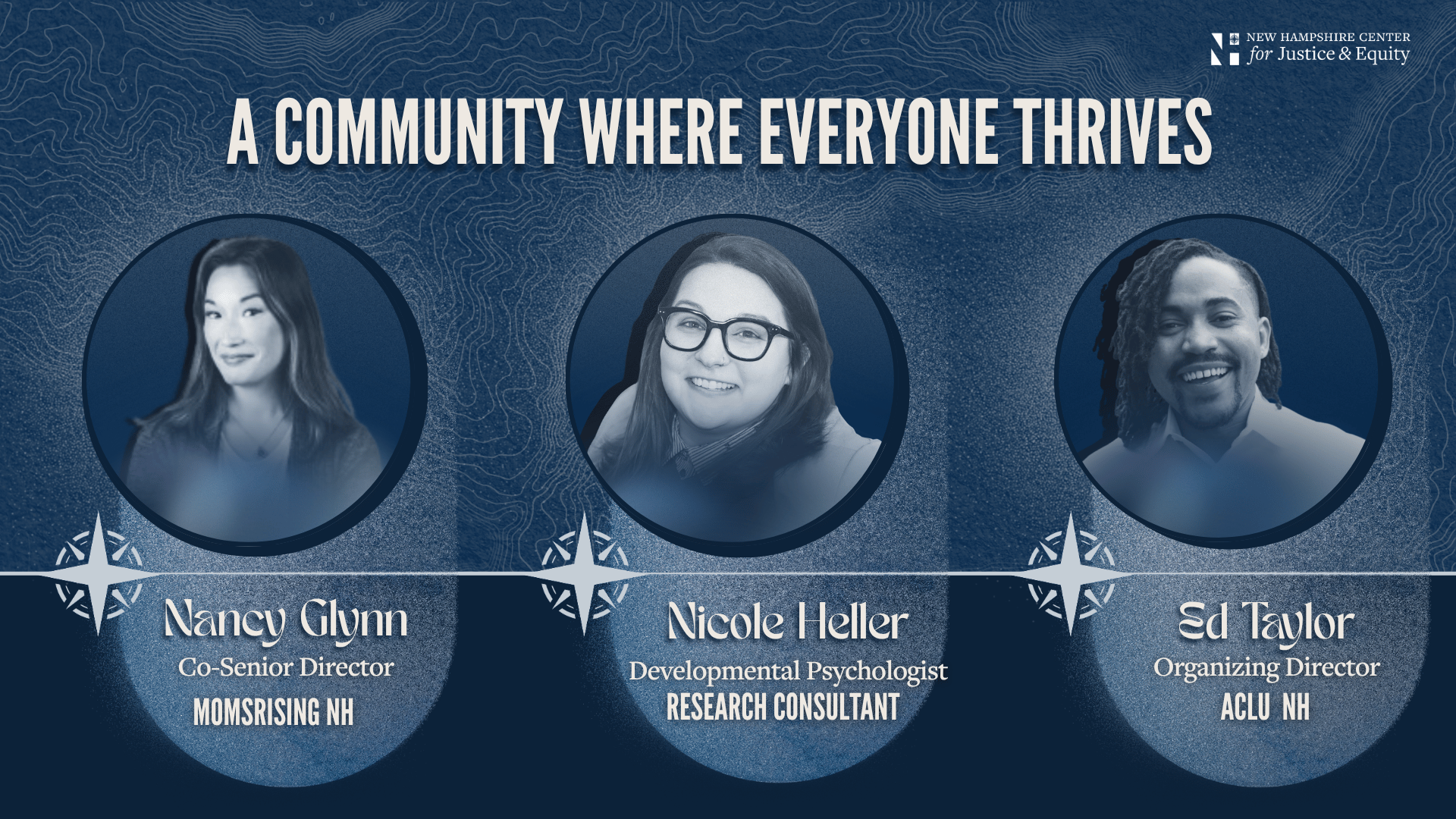
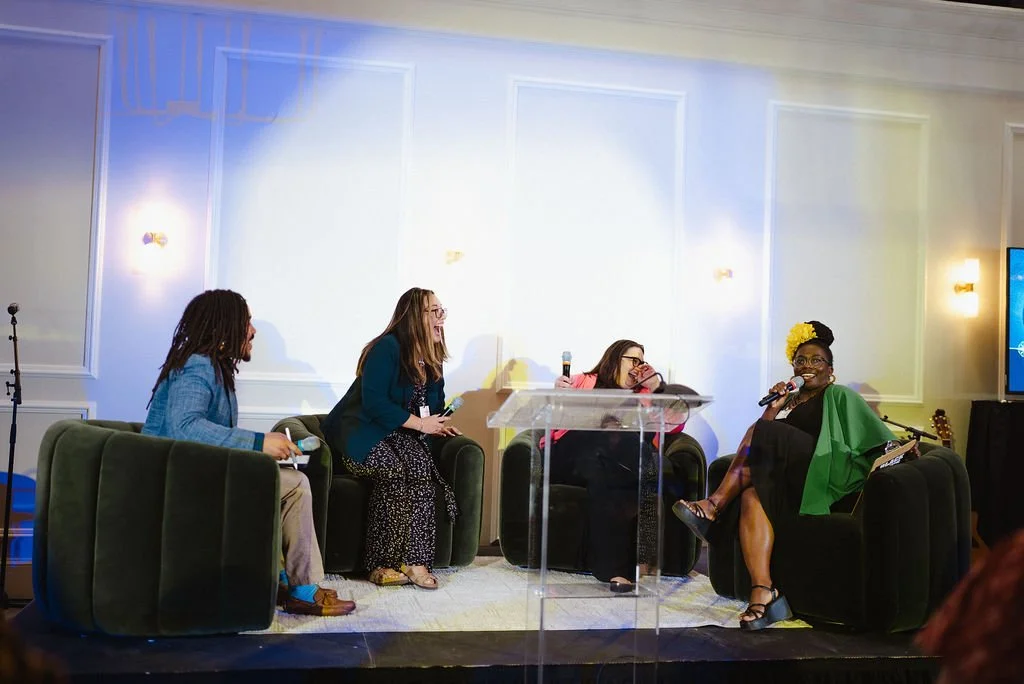
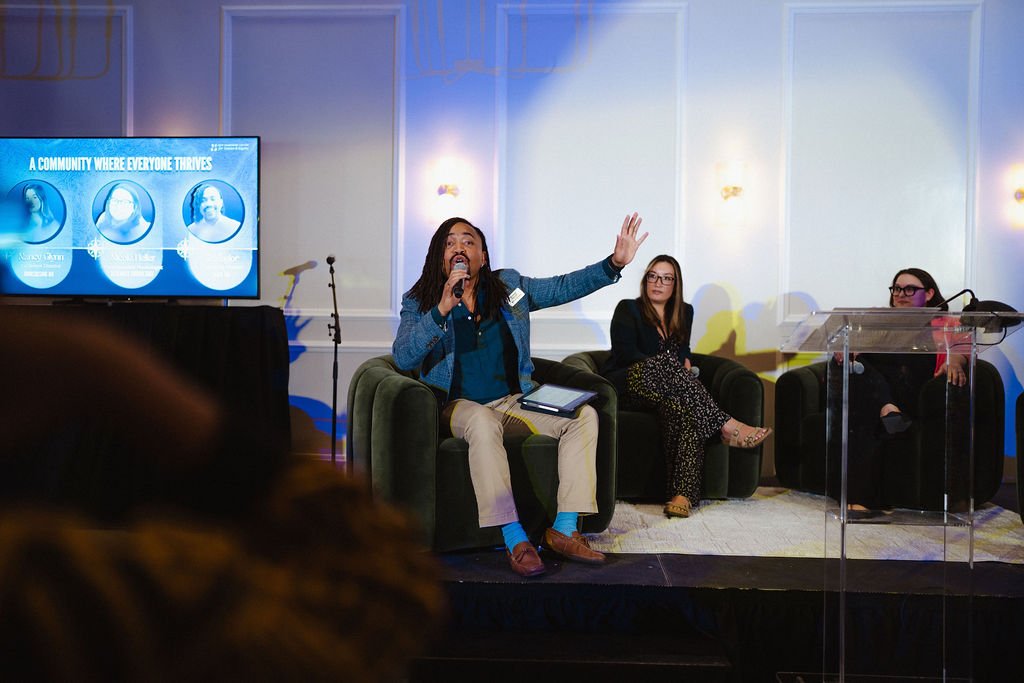
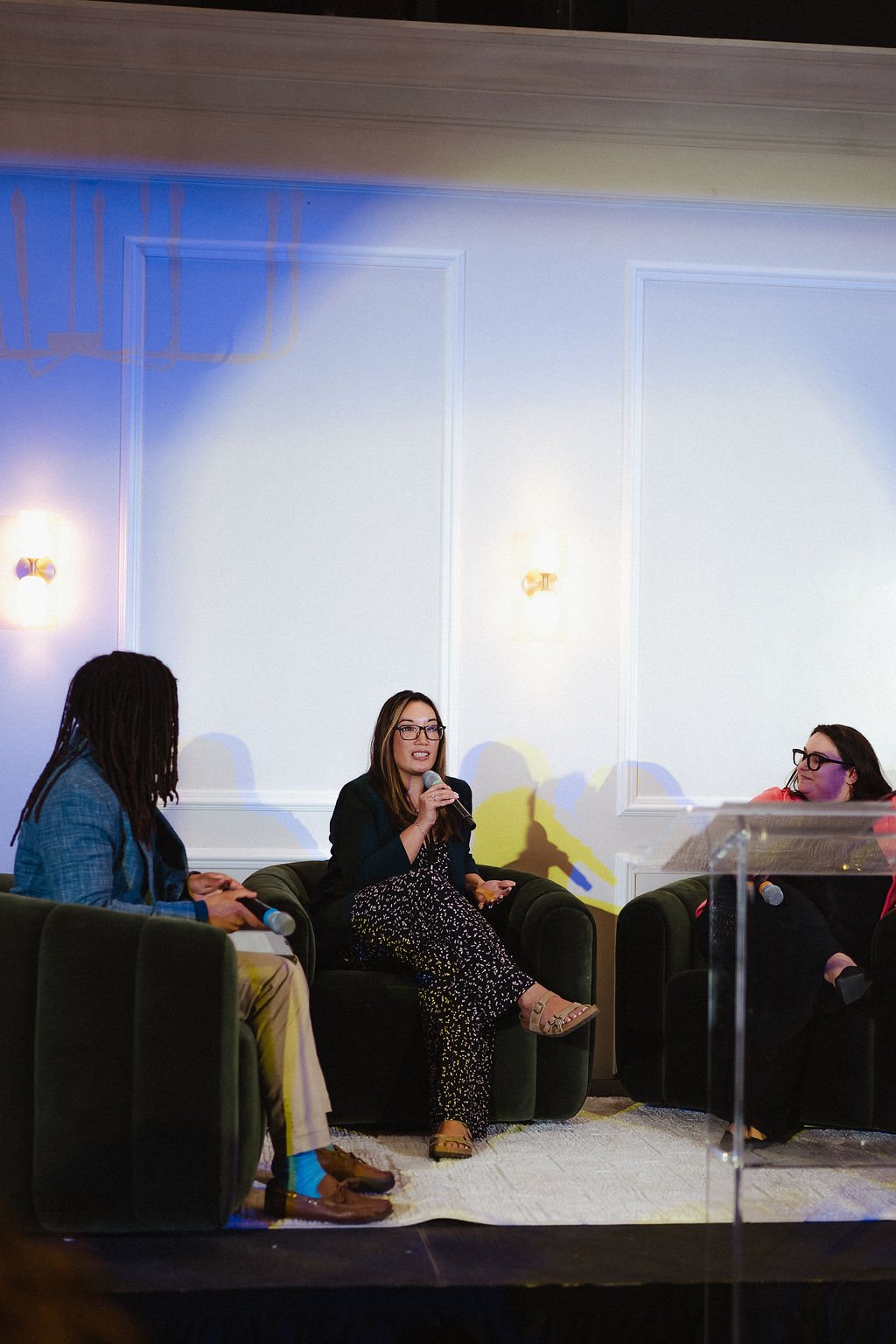
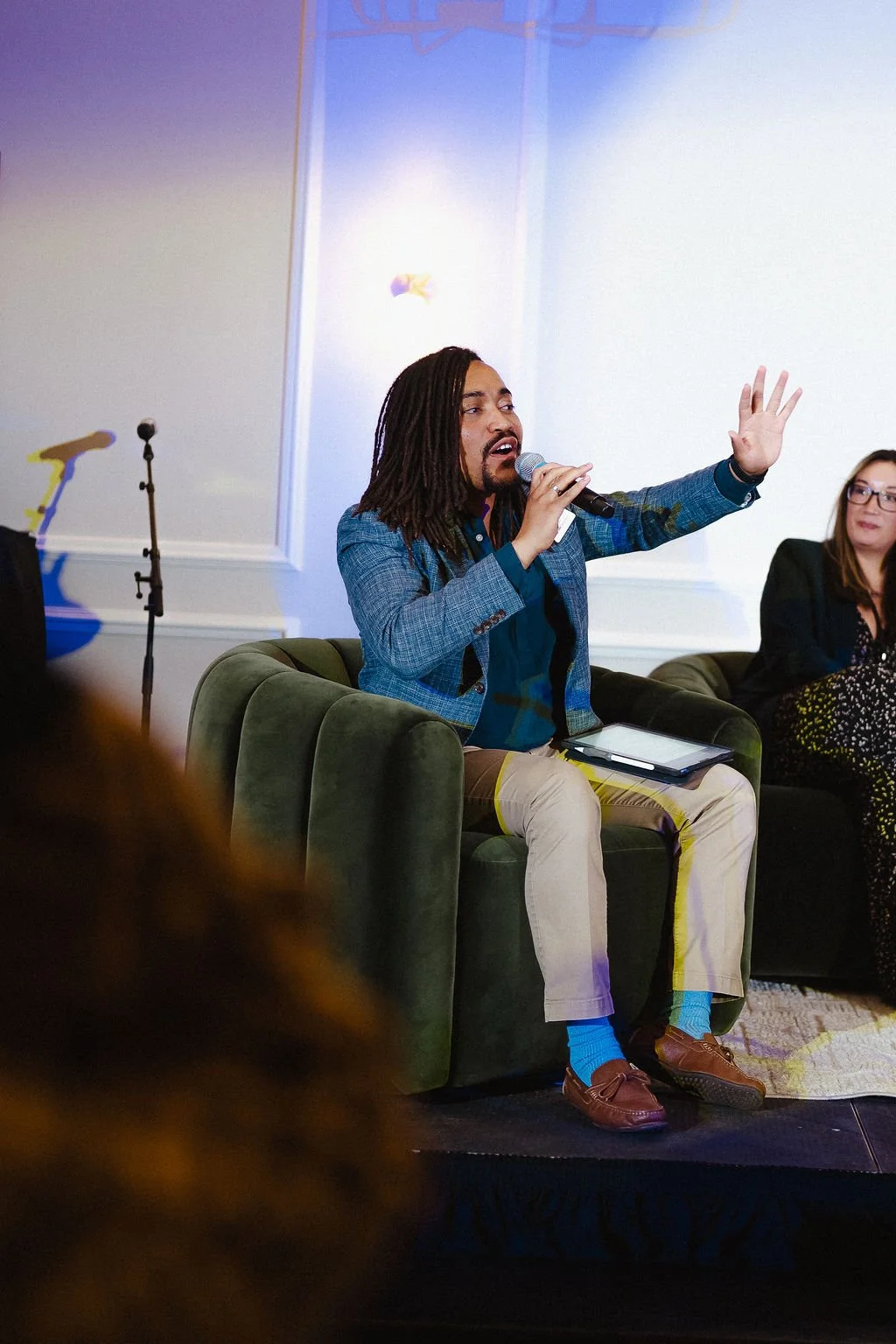
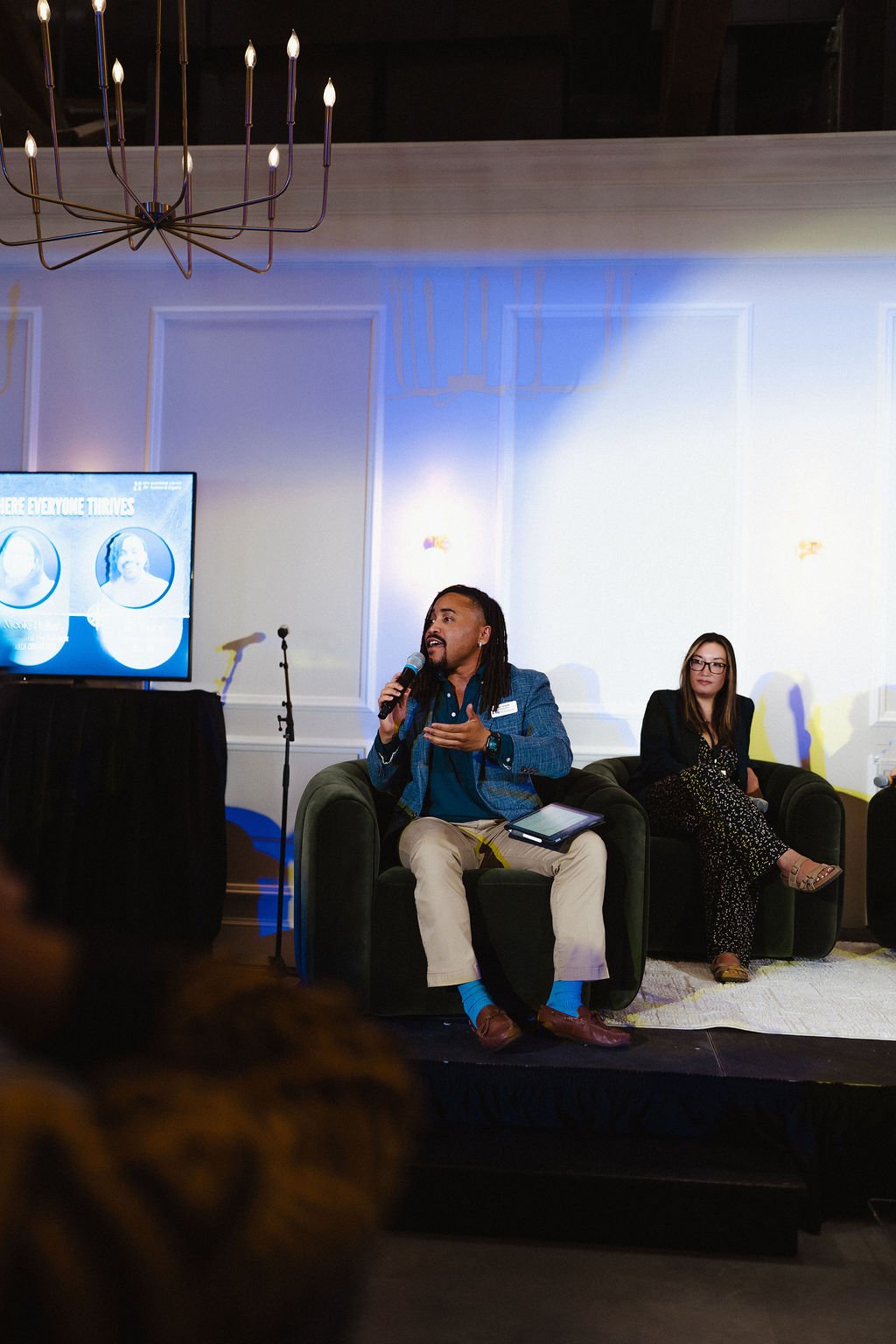
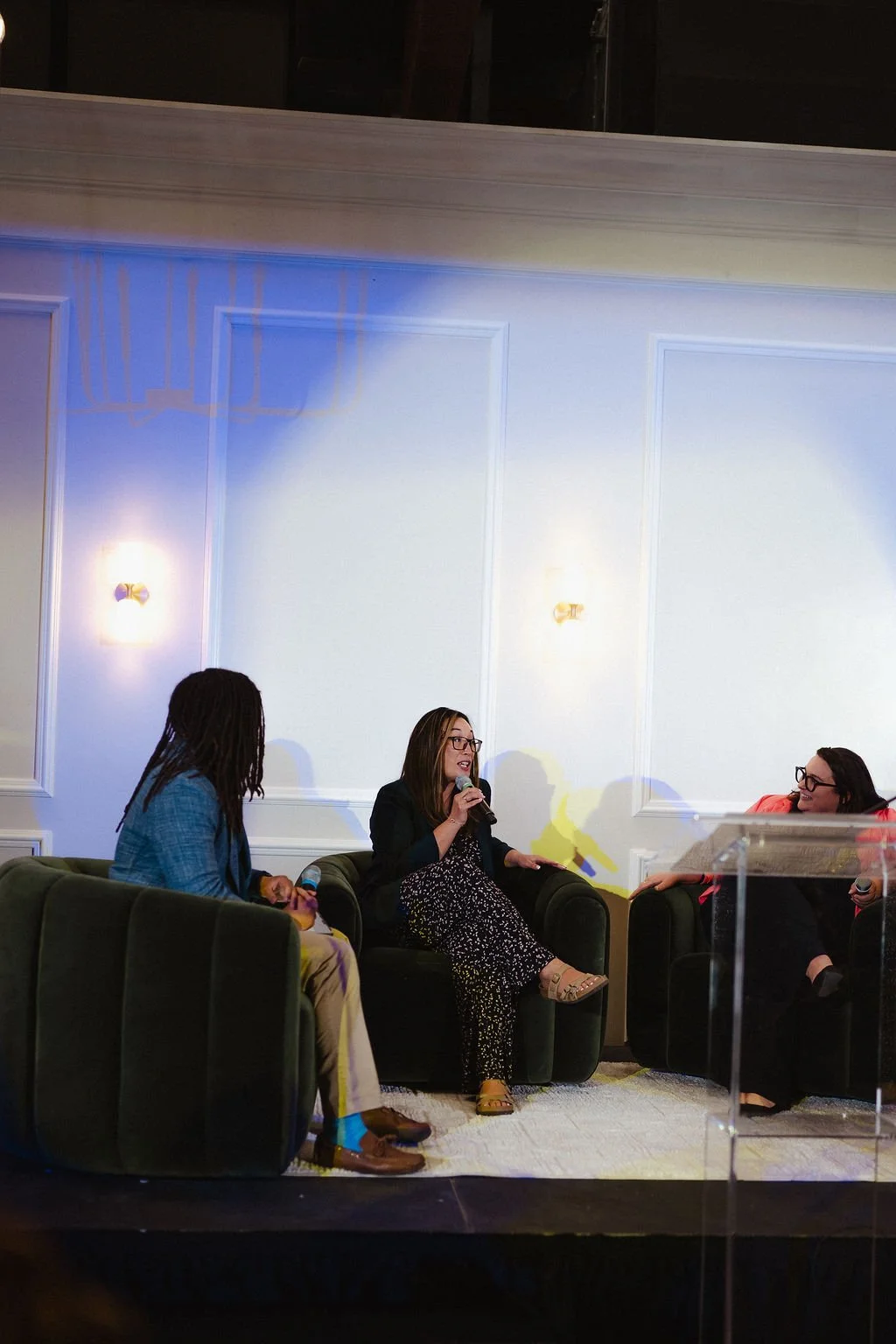
A major theme of the discussion was the shift from transactional fear-based messaging to relational joy-based movements. Glynn illustrated how “joy” has a way of keeping community members engaged for the long haul, rather than just for a single vote or action. This sustainable engagement is fueled by storytelling, which Ed Taylor described as a tool for both articulating history and exerting “unmitigated power” against government overreach. Whether through legal battles to protect the constitutional right to birthright citizenship or local efforts to fully fund local libraries, the panelists argued that the route to impactful change is just as much local as it is national, where neighbors lean on one another’s strengths to build a shared future.
To meaningfully contribute to this movement, the panelists urged attendees to focus on long-term investment and local engagement. Heller pointed out that despite the slow payoff, states get a massive generational return on investment (up to $12 for every $1 spent) when prioritizing children’s needs, including housing and childcare. The call to action was clear: show up for local elections, support philanthropic trust through “unrestricted funding,” and create inquisitive spaces where community members feel safe participating in generative conversations that lead to meaningful actoin. By treating community as a mutual responsibility rather than a charity, individuals can transform belonging from a lofty ideal into a tangible, everyday reality.
Spirit and Air
The final quadrant began with Cinnamon’s final guided reflection which asked attendees to think about all of the events of the day and distill them into just six words. This helped attendees take stock of their feelings and bring them home to ponder further and turn into action. In the end, the six-word collective poetry exercise served as a final act of community building. This activity reinforced the idea that telling our own stories and sharing them with others is the foundational step in creating a world that authentically reflects, protects and serves all communities.
The event ended with a summary of speaker comments, moving from the responsibility of listening and the beauty of authentic self-expression to the necessity of dismantling false narratives and pushing back against systemic harm. By invoking the metaphors of “carrying fire in the heart” and leaning on one another’s strengths, we can move the personal response to a communal and joyful one.
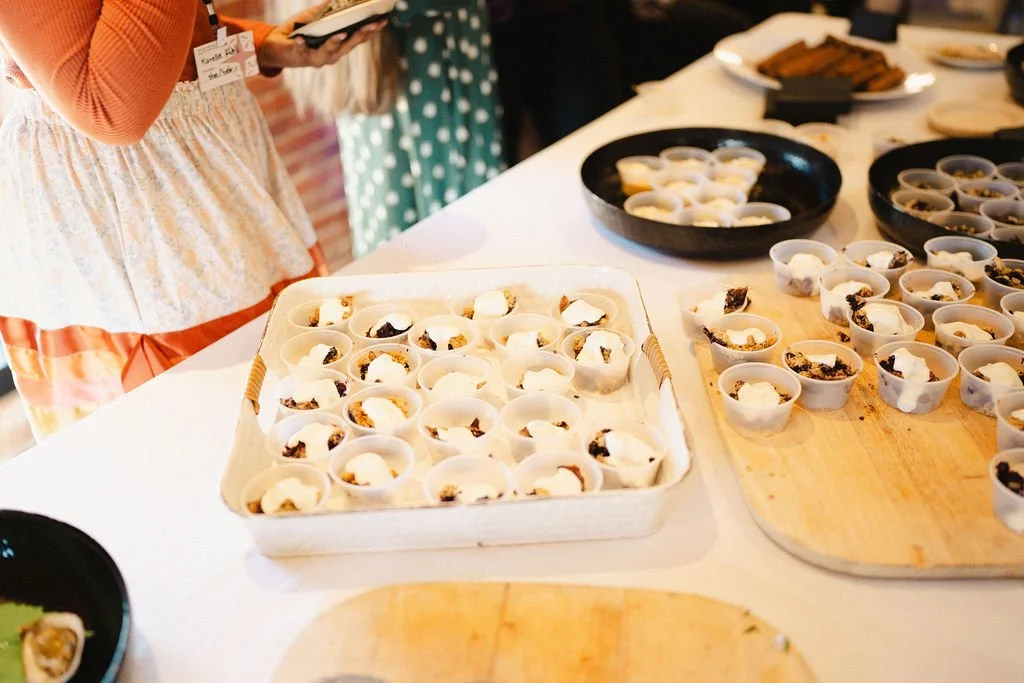
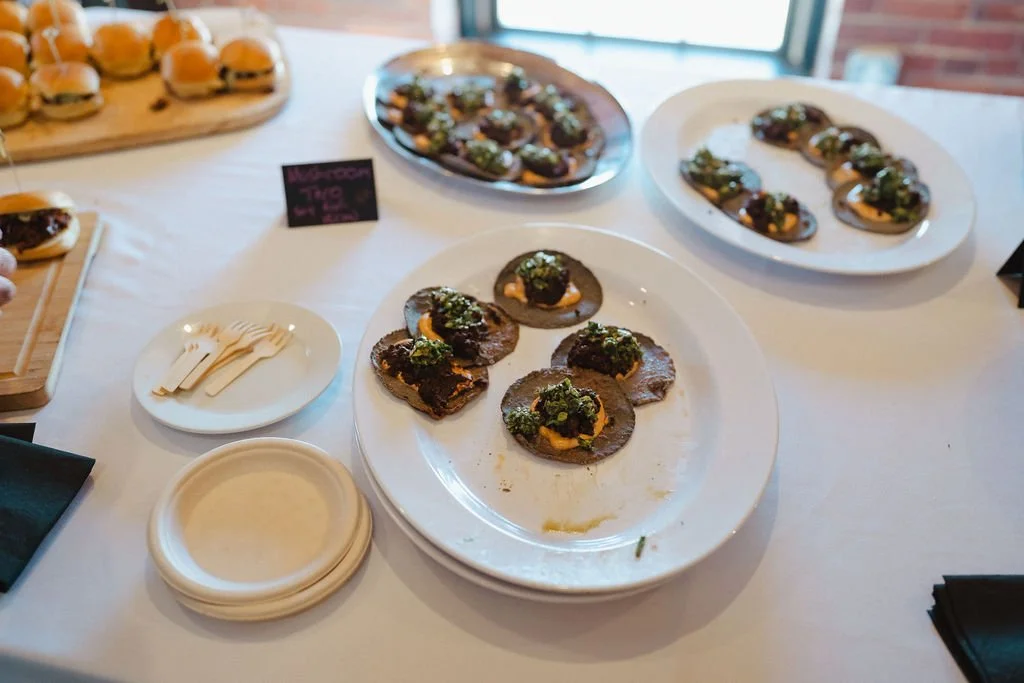
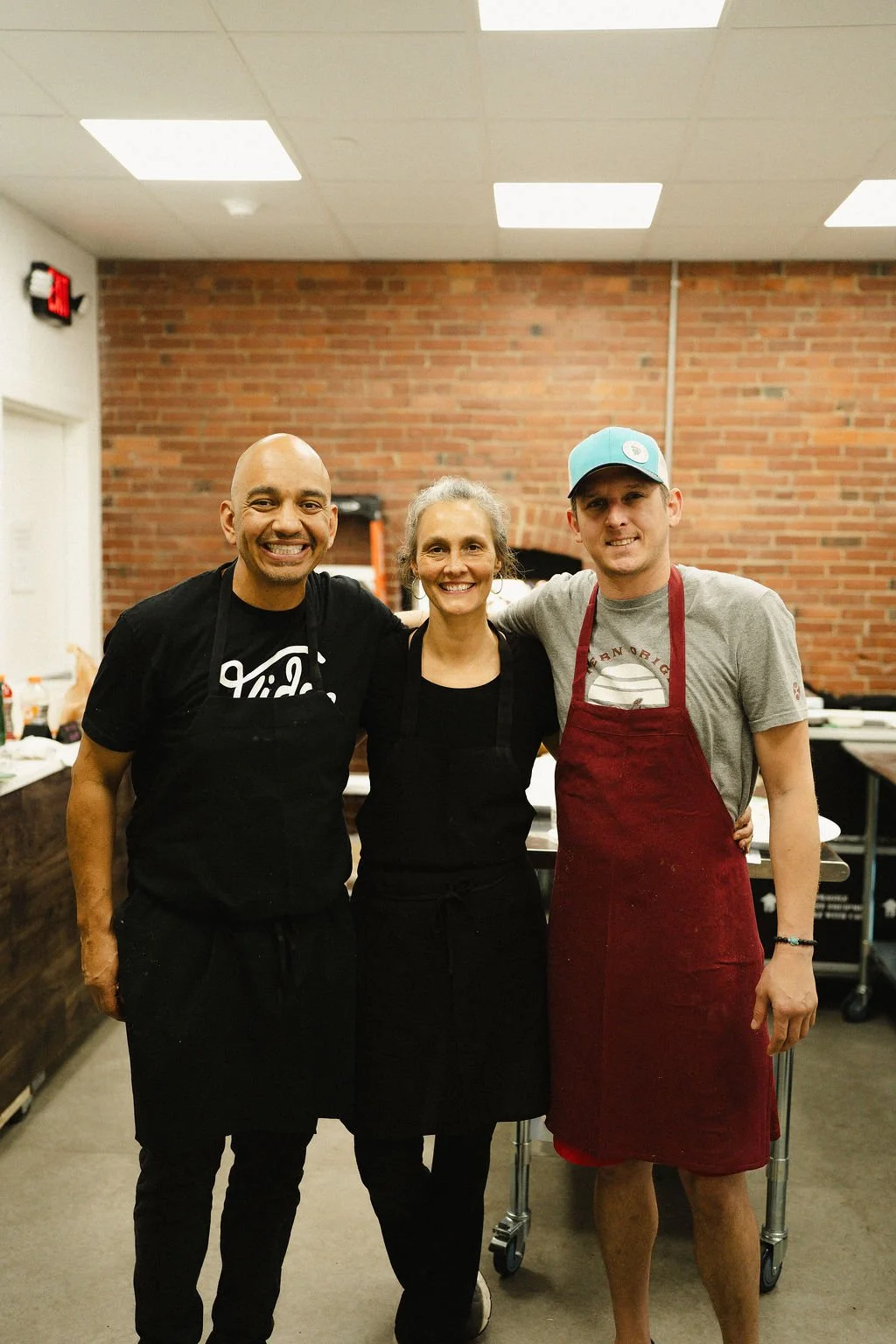
Chef David Vargas of Vida Cantina in Portsmouth, which provided the food for the event, took the stage to tell his story of being a first generation American, how his food reflects his Mexican American roots, revealing that “…Food is where worlds meet. It’s a celebration of heritage, the migration, and the way culture continues to grow and evolve.”
“Food is where worlds meet. It’s a celebration of heritage, the migration, and the way culture continues to grow and evolve.”

Moving Forward
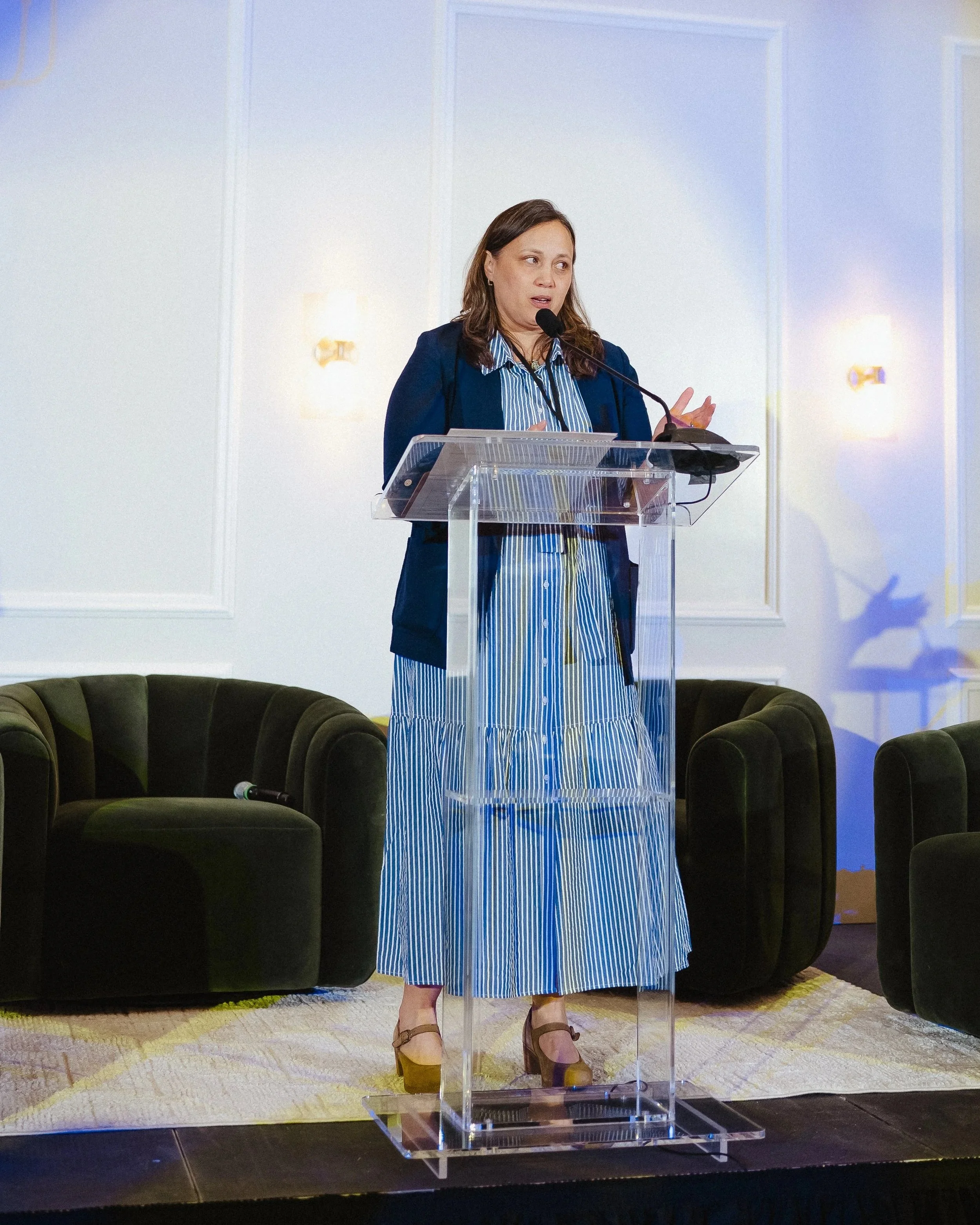
Jo Porter
NHCJE’s Jo Porter concluded the session by reminding the attendees that storytelling of not only their stories but also the stories of others whose voices may be silenced is part of our call to action.
While it’s difficult to challenge longstanding narratives, it is possible to shift public mindsets with purposeful storytelling. It offers an idea that people can hold onto and refer to when confronted with old ideas. At the same time new storytelling should be rooted in critical analysis of the past and deep knowledge of ancestral histories, to avoid repeating the mistakes that keep our societies and systems stuck.
View all of the photos from the 2026 Annual Meeting:
Photography by Whitney Barney Maka, We Are All Art. On a Note of Gratitude
The 2026 Annual Meeting of the New Hampshire Center for Justice & Equity would not have been possible without the incredible support of our collaborators, allies, investors, and community partners.
Special thanks to our sponsors for standing with us in a shared commitment to justice, equity, and community transformation:
Partner Sponsors: New Hampshire Public Radio (NHPR), Kennebunk Savings, Eastern Bank/Cambridge Trust, the New Hampshire Charitable Foundation, and Eversource Energy.


Ally-level: St. Mary’s Bank, Savings Bank of Walpole, Marsh McLennan Agency, United Methodist Foundation of New England, Sheehan Phinney, ACLU NH, New Hampshire Community Loan Fund, Conservation Law Foundation, Ledyard Bank, McLane Middleton, Delta Dental, Walden Mutual Bank, Speedy Printing, and New Hampshire Housing.




And to NHCJE’s Investors, thank you for believing in our mission and investing in the long-term vision of equity across New Hampshire: the Endowment for Health, Nellie Mae Education Foundation, Point32Health Foundation, New Hampshire Charitable Foundation, You Have Our Trust, and the Couch Family Foundation.


We are also grateful to:
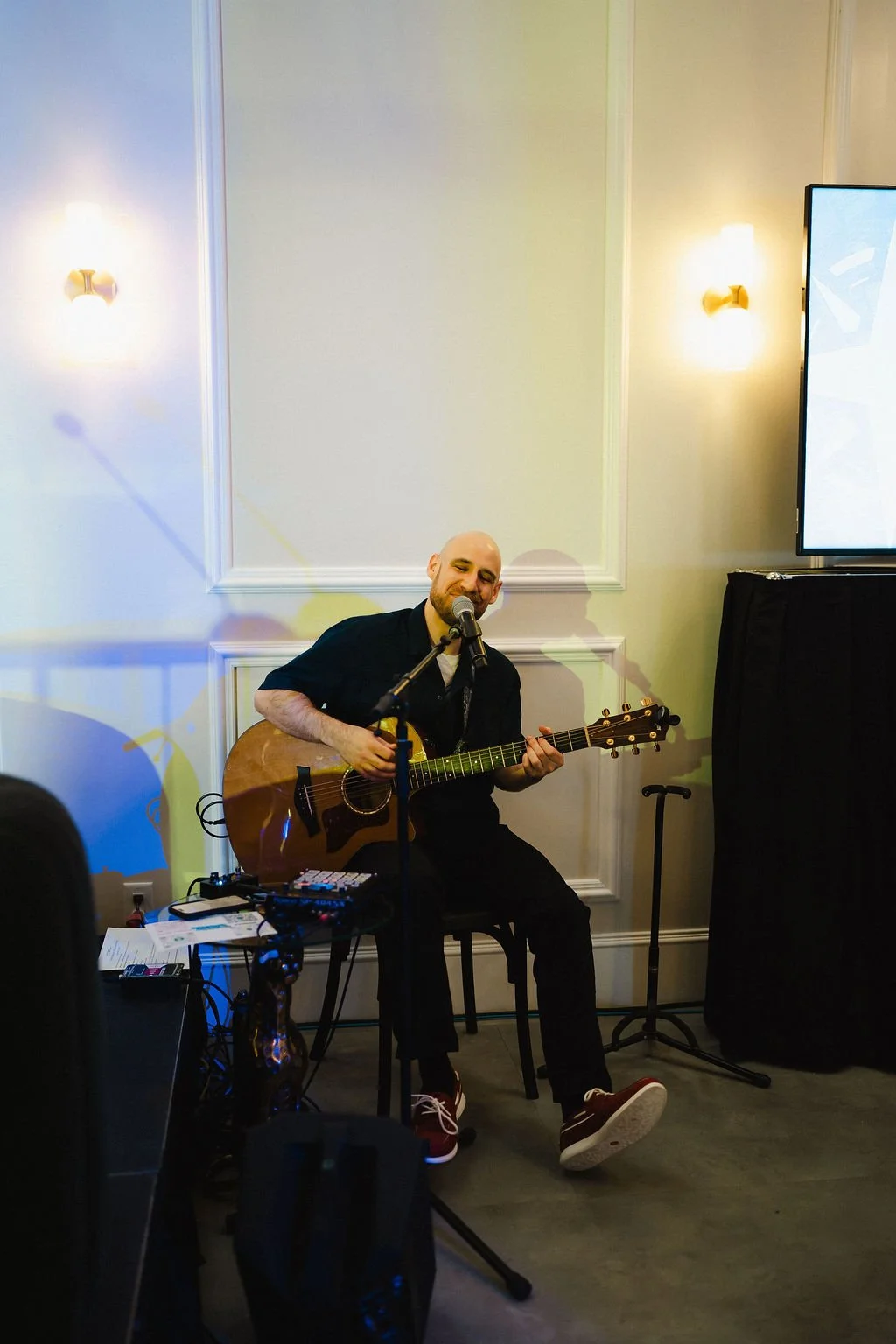
Thomas Forbes of Teeba Music, whose guitar helped center the audience
Chef/Owner David Vargas from Vida Cantina in Portsmouth and his team, who brought a delicious range of flavors to the event
Kate Crary worked on large-scale visual representations of the content covered throughout the day
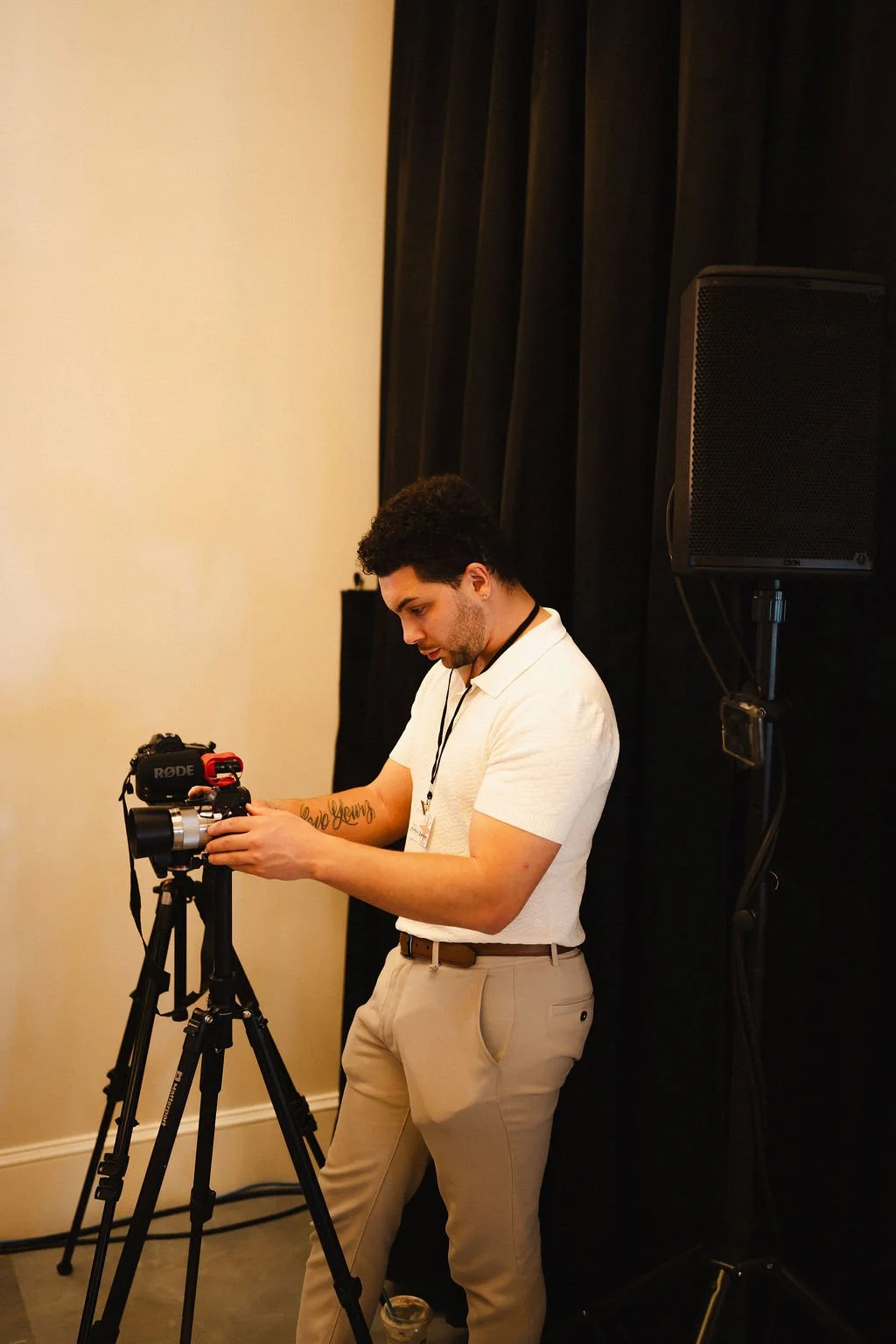
Videographer Matt Anderson for capturing the day’s events
Whitney Barney Maka for her wonderful photography
The team at The Hawthorn for their help and support leading up to, and during, the meeting.
MFI Productions who met the range of the audio-visual needs of the day
For more information on speakers, performers, and vendors, please visit our Annual Meeting 2026 page:
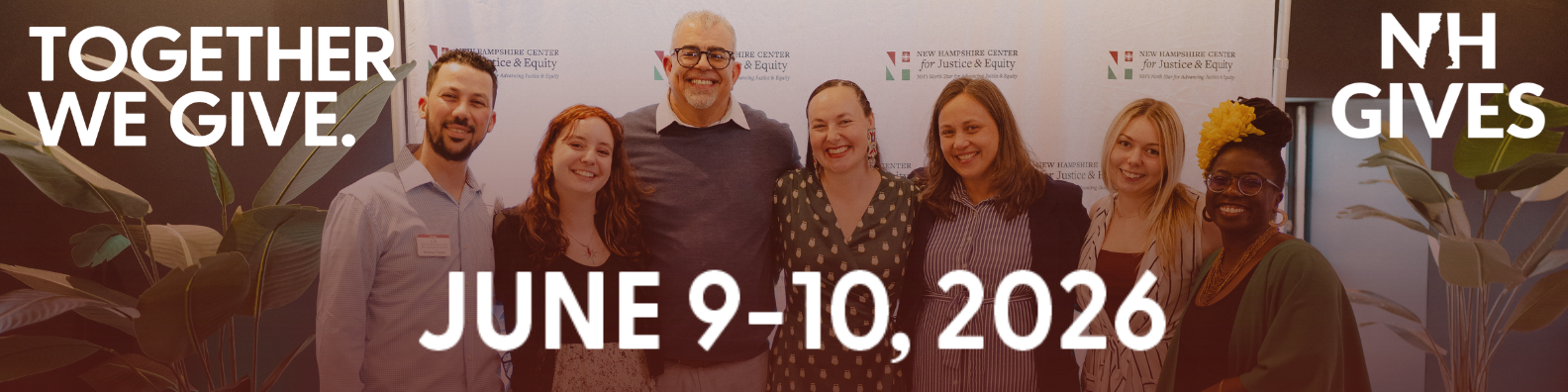
We are excited to announce our participation in this year’s NH Gives campaign, the 24-hour fundraiser hosted by the NH Center for Nonprofits. Save the date and help us reach our $5,000 goal!